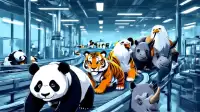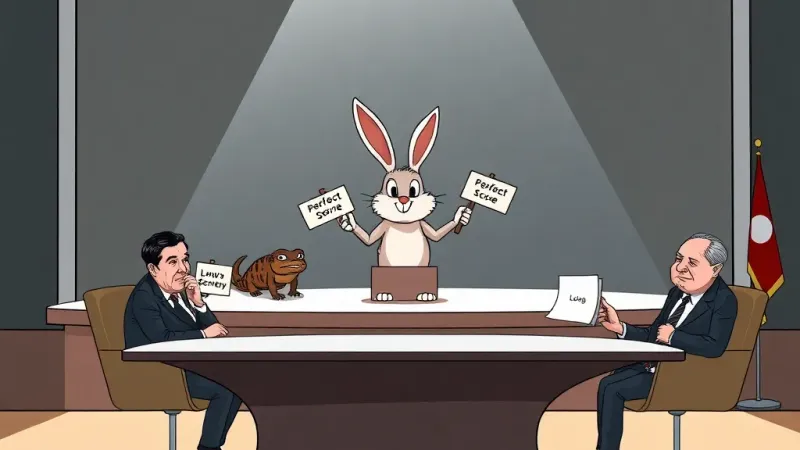
DENVER, CO — Colorado's Department of Natural Resources (DNR) announced a revolutionary new approach to wildlife management this week, confirming that all future species conservation and hunting quotas will be determined primarily by a "Cuteness Index" derived from public opinion polls and social media engagement metrics. The groundbreaking initiative aims to align wildlife policy more closely with voter preferences, sidestepping complex ecological studies deemed "less relatable" by focus groups.
Under the new directive, which DNR officials are calling "Emotion-Forward Resource Allocation (EFRA)," species will be assigned a numerical cuteness score based on an algorithm weighing factors such as perceived fluffiness, large-eye-to-head ratio, and internet virality potential. "For too long, we’ve allowed things like 'ecosystem health' and 'population sustainability' to dictate our decisions," stated Dr. Evelyn Thorne, newly appointed Director of Sentimental Wildlife Oversight. "But the public doesn't send angry emails about the dwindling populations of obscure fungus gnats. They care about the charismatic megafauna. Our job is to manage what people care about, which, frankly, is what they find adorable."
The EFRA policy outlines specific adjustments. For example, the previously complex calculations for elk and deer hunting licenses will now incorporate a "majestic antler score" alongside a "do-you-want-to-hug-it" metric for fawns. Meanwhile, species scoring low on the Cuteness Index, such as most snakes, bats, and large predatory insects, will see their conservation budgets drastically reallocated to support more aesthetically pleasing creatures. One internal memo, leaked from a regional DNR office, reportedly suggested rebranding the gray wolf as a "fluffy forest dog" to boost its EFRA score.
Environmental groups have expressed predictable concerns, citing potential ecological collapse. However, state representatives quickly dismissed these as "elitist scientific gatekeeping." "The people have spoken, and frankly, they prefer animals they can Instagram," said State Senator Mark Jenkins (R-Evergreen), holding up a smartphone displaying a heavily filtered picture of a baby bear. "If we want our wildlife management to be truly democratic, it has to reflect the collective 'awww' of the electorate. It's not just about managing species; it's about managing hearts and minds, one perfectly posed photo at a time."
The DNR projects that this new approach will significantly increase public satisfaction with wildlife policies, especially among voters who believe that all squirrels are identical. They also anticipate a notable uptick in wildlife-themed merchandise sales, further offsetting any 'less cute' species' funding cuts.