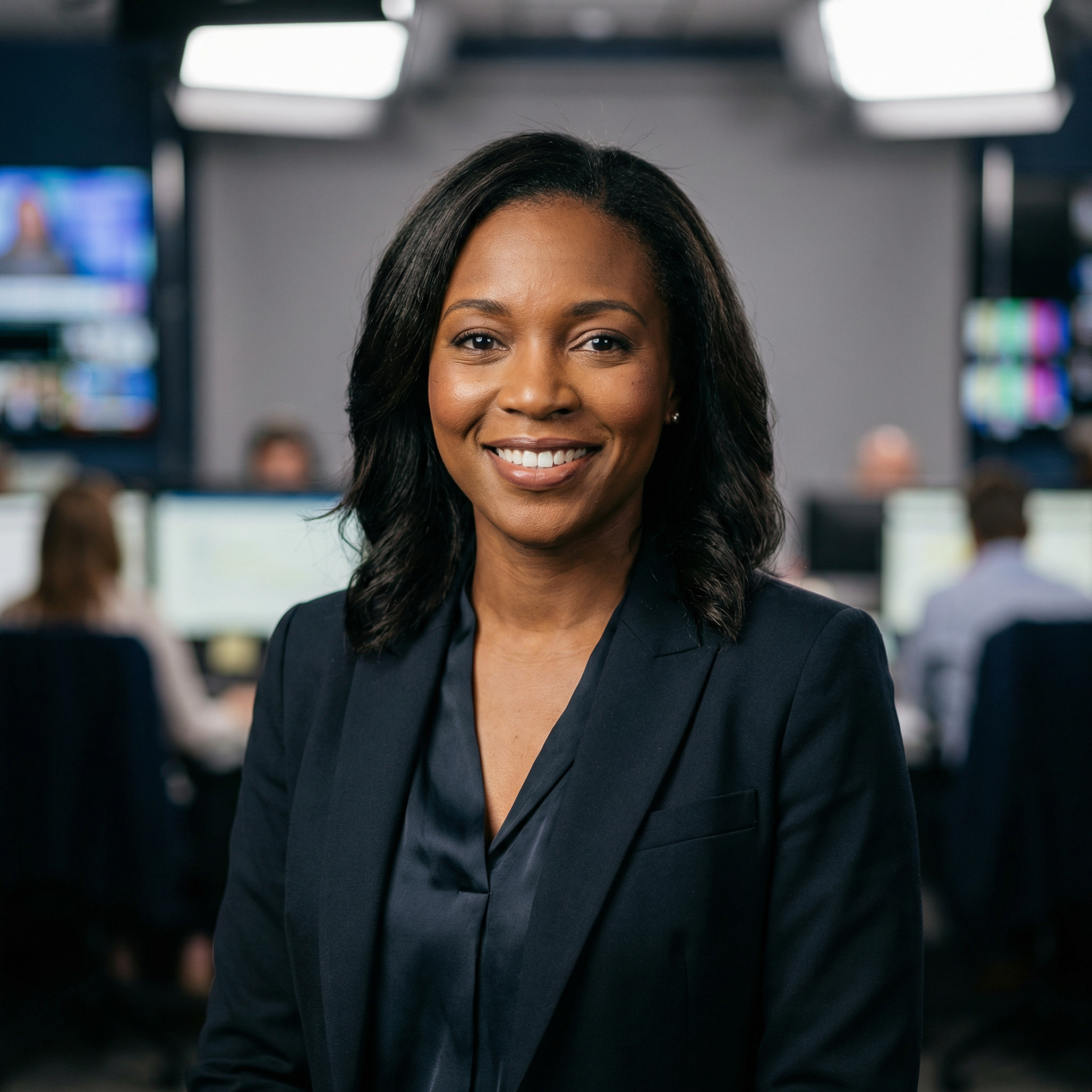

Pittsburgh, PA – WTAE-TV announced Monday its critical appointment of Brenda Glick as the new morning traffic reporter, a strategic move local media analysts are calling a "seismic shift" in the increasingly competitive early-commute infotainment sector. The station emphasized Glick’s unique blend of geospatial intuition, on-air gravitas, and pre-visualization techniques, signaling a renewed commitment to vehicular flow optimization for the tri-county area’s discerning drivers. The highly anticipated announcement concluded weeks of speculation, during which rival stations reportedly launched aggressive counter-bidding campaigns for top-tier talent.
"Brenda isn't just a traffic reporter; she's a Chief Vehicular Flow Alchemist and a certified Pre-Commute Emotional Architect," stated Station Manager Reginald Pinter, his voice resonating with gravitas during the nationally simulcast press conference, which was live- streamed across all digital platforms including WTAE's bespoke 24/7 Gridlock-Watch app. "In an increasingly complex urban mobility landscape, where every minute matters for both personal well-being and regional GDP, our viewers demand not just data, but *narrative* – a compelling story of their daily journey, told with empathetic authority and predictive nuance. Brenda brings that crucial 'you are not alone in this gridlock, and here's why it's not entirely your fault' energy, delivering actionable insights while simultaneously validating deeply held commuter frustrations."
Media ethicist Dr. Evelyn Finch, Director of the Institute for Broadcast Serenity at Carnegie Mellon, weighed in, noting, "The modern morning audience isn't just seeking routes; they're seeking validation and a sense of managed expectation. They want to know their shared misery is being acknowledged, even celebrated, by a trusted, smiling face that understands the subtle differences between 'heavy volume' and 'existential vehicular dread.' This isn't merely about traffic; it's about communal coping mechanisms and the monetization of collective stress. WTAE understands that the perceived efficiency and emotional support provided during a morning commute can either make or break an entire day's regional productivity metrics and, crucially, viewer loyalty in the cutthroat 5-9 AM demographic." She added that Glick's acclaimed ability to seamlessly transition from reporting a five-car pile-up on the Fort Pitt Bridge to a light-hearted segment about local artisanal coffee shops was a key differentiator in a crowded market.
Glick herself, in a pre-recorded, multi-angle segment that aired immediately following the announcement, promised a new era of "proactive vehicular transparency and predictive infrastructural empathy." Her duties will reportedly extend beyond traditional accident and congestion alerts to include sophisticated predictive modeling of driver frustration levels based on micro-climates, regional caffeine consumption data, and real-time 2 sentiment analysis, all aggregated by the station's proprietary 'Gridlock Emotional Index' (GEI). "My goal," Glick declared with unwavering resolve, "is to approach every backed-up lane and every delayed merge with unflinching honesty, an unwavering smile, and the 2 in AI-enhanced traffic mitigation strategies, ensuring viewers are not just informed, but emotionally prepared for whatever the roads throw at them."
Industry insiders are now closely watching to see if this high-stakes, strategically deployed personnel decision will finally solve the intractable, millennia-old problem of everyone needing to get to the same place at the exact same time.