
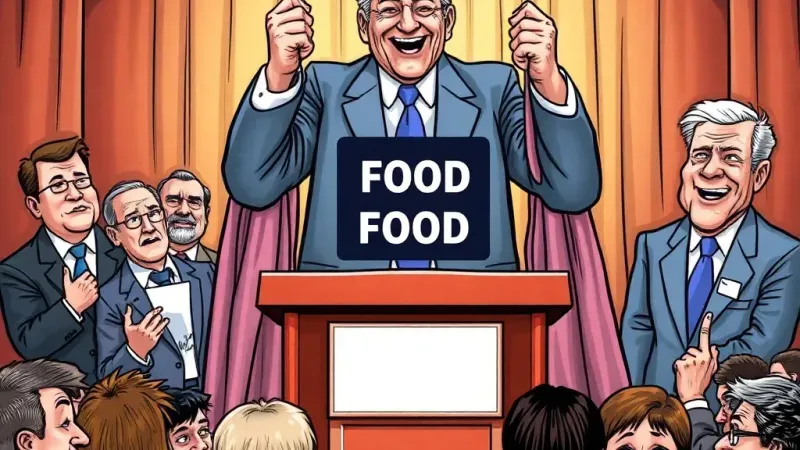
Washington D.C. — In a move analysts are calling a "paradigm shift" in modern electoral 2, several prominent Democrats with eyes on the 2028 presidential race have begun floating radical new economic proposals designed to appeal directly to a wide swathe of the American populace. The cornerstone of these "audacious" plans includes substantial tax cuts for the working and middle classes, funded by significant tax increases on the nation's wealthiest individuals and corporations. This unprecedented approach reportedly stems from internal polling data indicating that voters generally prefer policies that improve their personal financial well-being.
The "revolutionary" strategy, detailed in a series of recently circulated white papers and campaign-adjacent policy briefs, marks a sharp departure from the traditional political playbook of vaguely worded promises and incremental adjustments. "For too long, we've focused on complex policy debates and nuanced legislative language," explained Dr. Evelyn Reed, director of the bipartisan 'Center for Obvious Political Insights.' "But what our research, conducted over the last 18 months at a cost of $47 million, unequivocally shows is that when you propose giving people more money, they tend to look upon you favorably. It's truly groundbreaking, if you think about it."
Specific proposals include the complete elimination of federal income tax for households earning under $75,000 annually, alongside a new "Billionaire's Burden Tax" of 92% on all income exceeding $100 million per year. "We're also exploring a 'Mega-Corporation Minimum Tax' of 30% on global profits for companies reporting over $10 billion in annual revenue, which, surprisingly, also polled incredibly well with everyone who isn't a CEO of a mega-corporation," said campaign strategist Mark 'The Maestro' Thompson. "Our focus groups literally cheered when we mentioned tax cuts for them and tax hikes for the people they already resent. It’s like we finally cracked the code on 'electability.'"
Early indications suggest the strategy is already resonating with the very voters it targets. Focus groups in swing states reportedly showed a 300% increase in positive sentiment when participants were informed they might keep more of their paychecks. Critics, however, warn that such "pandering" could set a dangerous precedent, forcing future politicians to continue addressing the direct financial concerns of their constituents rather than pursuing more abstract ideological battles or donor-friendly legislation.
"This is a desperate attempt to win elections," fumed former Senator Horace 'The Hawk' Finch, a longtime proponent of policies less directly beneficial to the general populace. "If we start giving voters everything they want, what's next? Universal healthcare? Affordable education? The entire delicate balance of our political system could collapse." Finch emphasized the importance of maintaining a certain level of voter dissatisfaction to ensure engagement and continued campaign contributions from those eager to influence policy.
Meanwhile, sources close to the campaigns indicate that the candidates are already looking for more "low-hanging fruit" in their quest for voter approval. Potential future policy suggestions include "longer weekends" and "free unlimited premium streaming services."