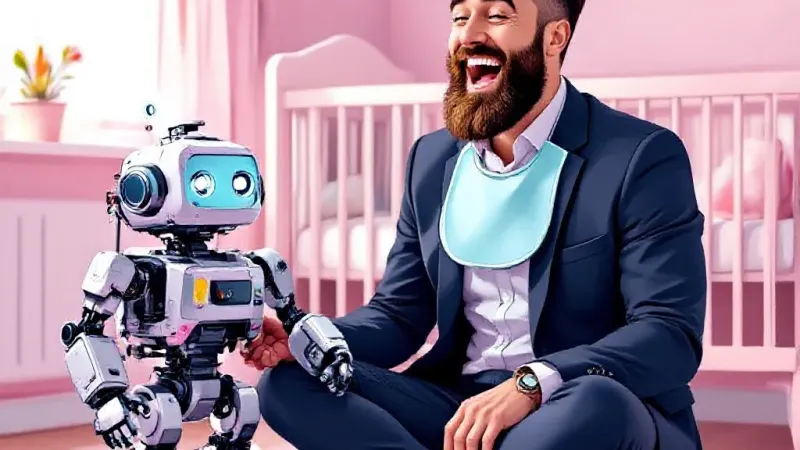
PAWTUCKET, R.I. — In a major strategic pivot aimed at capturing the lucrative "kidult" demographic, global toy manufacturers announced Tuesday they are officially phasing out marketing toward actual children in order to focus exclusively on 34-year-old adults attempting to soothe existential dread with $400 plastic playsets.
Industry analysts confirmed that while eight-year-olds remain constrained by modest weekly allowances and basic attention spans, depressed millennials with high-yield savings accounts and zero prospects of homeownership will happily sacrifice half a month’s rent for a pristine, mint-in-box replica of a spaceship from 1999.
"Children are frankly terrible consumers," said Mattel senior brand director Marcus Vance, standing beside a displays of high-end action figures priced specifically for people who pay property taxes. "A child asks for one $20 doll, breaks its arm within four hours, and immediately gets distracted by a brain-rot video on an iPad. A 36-year-old senior software engineer experiencing a quiet identity crisis will buy four identical limited-edition Batman figures, place them on a custom floating shelf, and stare at them in total silence until 2:00 a.m. just to feel a flicker of unadulterated childhood warmth."
According to financial reports, the shift has entirely rewritten product development across the industry. Hasbro, Lego, and Funko have largely abandoned durability testing, as their core consumer base now refuses to remove the products from their original factory packaging for fear of destroying their resale value or exposure to atmospheric moisture.
To meet the demand, toy companies are rolling out products specifically engineered for adult psychological coping. Lego recently unveiled its new 7,500-piece *Midlife Reflection* collection, featuring highly detailed sets such as *Your Childhood Bedroom Before the Internet* and *A Quiet Suburban Garage Where Nobody Expects Anything from You*. Each set comes packaged with an ergonomic brick separator designed to minimize strain on aging carpal tunnel joints.
"We used to design toys to spark imagination and encourage cooperative social play," said lead product designer Sarah Jenkins. "Now we design toys to act as physical ballast for people drowning in high-interest debt and corporate middle management. When a customer snaps together piece number 4,200 of a plastic pirate ship, they aren't playing. They are delaying a panic attack about their 401(k) balance by precisely forty-five minutes. That is a service children simply do not require."
Retail giants Target and Walmart have already begun reorganizing store layouts to reflect the demographic shift. The traditional toy aisle, once characterized by primary colors and squeaky plastic, is being moved directly adjacent to the craft beer and over-the-counter sleep aid sections to optimize impulse purchasing by unfulfilled adults during late-night errands.
Market experts predict that by 2028, over 80 percent of all domestic toy sales will originate from single adults purchasing nostalgia-fueled plastic objects to populate their home offices during mandatory Zoom meetings.
"At the end of the day, seven-year-olds just don't have the emotional baggage necessary to sustain a $46 billion industry," Vance added, carefully sliding a $180 collectible helmet over his head to drown out the stillness of his apartment. "Children play because they enjoy it. Adults play because the alternative is sitting alone with their own thoughts."