Silicon Valley, reeling from stagnant innovation and dwindling public interest in app-based solutions for problems that don't exist, announced a groundbreaking new mandate today: all startups seeking initial seed funding must now include a recognizable celebrity in a co-founder or C-suite position. Set to take effect by Q3, the unprecedented move ensures every emerging venture possesses "inherent brand magnetism" and "unfiltered audience access" from its inception, streamlining the often-cumbersome process of actual product development.
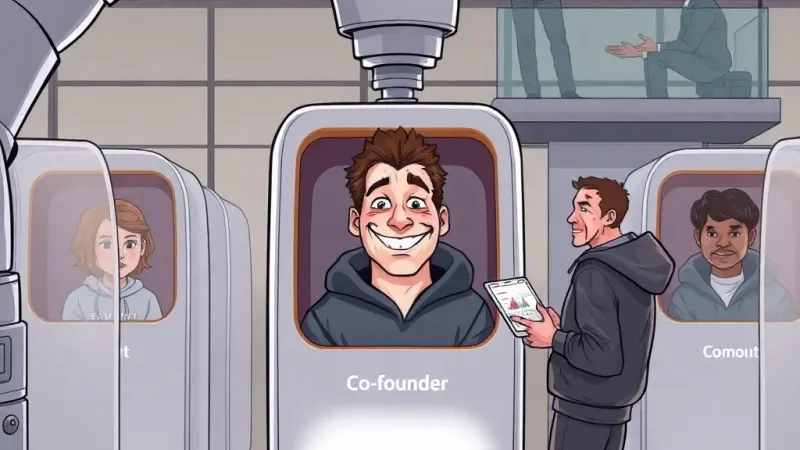
"Look, we've tried the 'brilliant engineer in a hoodie' thing for twenty years; frankly, the market is bored," stated Ms. Brenda Whitlock, Senior Partner at 'Disruptive Capital & Co.' and a vocal proponent of the new policy. "What truly generates buzz and secures Series A funding? It's not a revolutionary algorithm; it's whether someone from *Yellowstone* tweets about your 'disruptive' pet hydration platform. We're simply codifying what's already happening: cultural capital is the new technical debt." Whitlock added that market simulations suggest a 400% increase in 'influencer resonance' for celebrity-backed ventures.
Under new guidelines, venture capital firms will prioritize pitches featuring individuals with at least one major movie credit, a platinum-selling album, or a TikTok following exceeding 50 million in the critical 18-34 demographic. Founders must submit a "Cultural Relevance Impact Statement" alongside their business plan, detailing the celebrity's projected 2 reach, past brand endorsements, memes, and viral potential. The policy explicitly encourages "dual-threat" celebrities who can not only bring immense star power but also offer "thought leadership" on niche topics like blockchain spirituality or sustainable metaverse real estate. "We're moving beyond mere 'brand ambassadors'," explained Dr. Evan Thorne, head of the 'Synergistic Valuation Institute.' "We need genuine 'celebrity architects' actively building the future, regardless of Python proficiency or ability to distinguish between Series A and a serial killer."
Sources close to major VC funds indicate some firms already struggle to fill their celebrity quota, with many A-list talents demanding significant equity stakes, personal masseurs, and exclusive rights to the company jet as standard contractual terms. Aspiring tech entrepreneurs, traditionally focused on pitch decks and code, reportedly now spend more time on talent agency websites and "networking" at Coachella. The industry reportedly looks into a "Celebrity Pipeline Initiative" to fast-track reality TV stars, retired athletes, and prominent Instagram pets into tech leadership roles, offering intensive weekend courses in "blockchain buzzword bingo" and "effective selfie delegation" for C-suite responsibilities.
The new mandate has already begun reshaping the hiring landscape. LinkedIn profiles of emerging CEOs now prominently feature "Golden Globe Nominee" or "Grammy Award Winner" above educational background. Entry-level engineering positions are increasingly advertised with requirements like "must be able to explain the product simply to a celebrity with no tech background" or "experience framing complex algorithms as 'disruptive' to a global audience." One struggling augmented reality startup, 'SpectraView,' recently laid off its entire R&D department to make room for a former boy band member as its new Chief Vision Officer, citing his "unparalleled ability to connect with Gen Z."
Critics of the policy, primarily those still clinging to the outdated notion that actual coding skills are relevant, have been largely ignored by investors now solely focused on optimizing 'tweetability' and 'IMDb presence.'