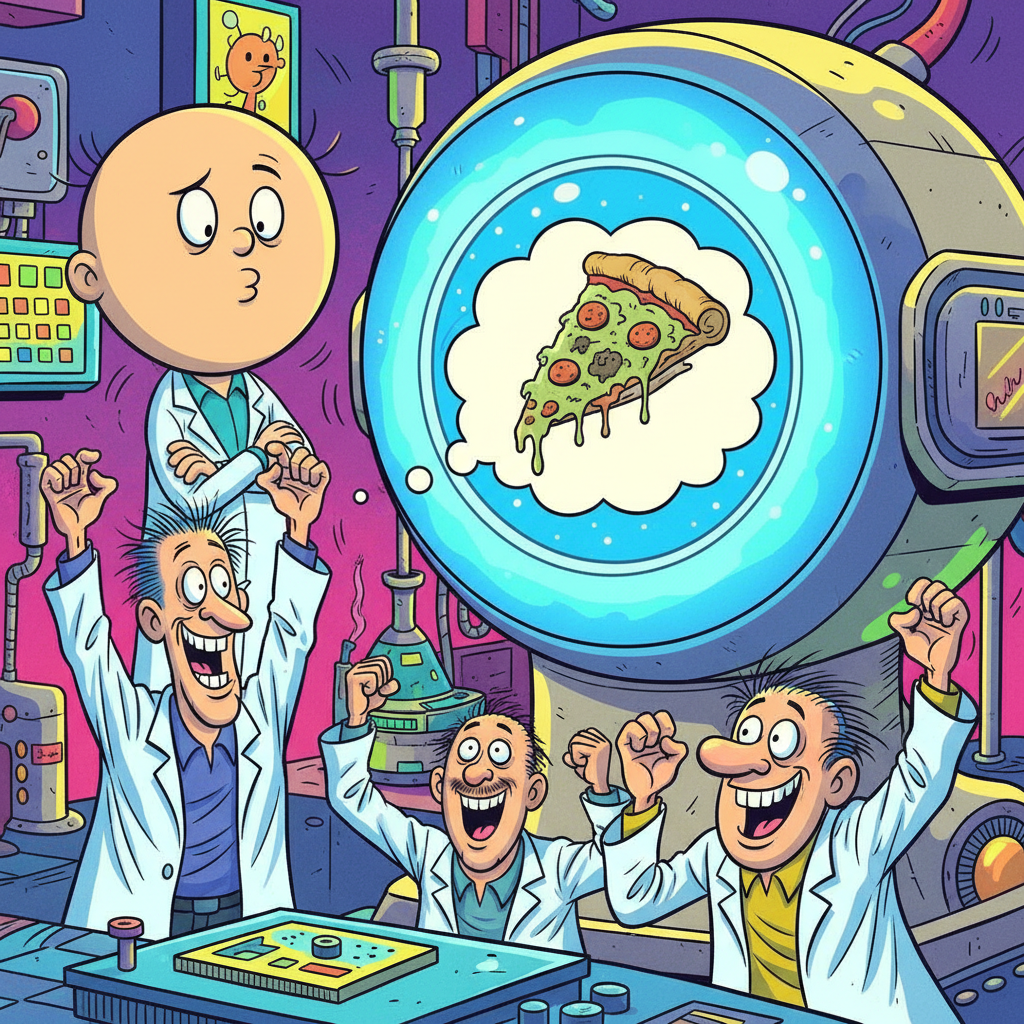
CAMBRIDGE, MA – Researchers at MIT have unveiled a revolutionary new technique for optimizing the monitoring of blood flow to the brain, a development that has inadvertently confirmed what many have long suspected: a significant portion of human thought is merely recycled mental detritus. The advanced optical system, designed to detect subtle changes in cerebral blood oxygenation, has provided unprecedented insight into the brain's internal monologue, revealing a startling lack of originality.
“We initially hoped to identify new neural pathways for creativity or problem-solving,” stated lead researcher Dr. Evelyn Reed, her voice tinged with a palpable weariness. “Instead, our high-resolution scans consistently show the same neural patterns firing when subjects ponder complex issues like 'what's for dinner?' or 'did I leave the stove on?' It’s as if the brain has a limited set of pre-approved responses it just shuffles through.”
According to the preliminary findings, the average adult brain dedicates approximately 60% of its active processing power to re-evaluating past decisions, rehearsing arguments that will never happen, or mentally composing grocery lists. The remaining 40% is largely split between worrying about perceived social slights and wondering if anyone else notices that one weird spot on the ceiling.
“It’s remarkably efficient, in a way,” added Dr. Reed. “Why come up with a new existential dread when you can just re-run last Tuesday’s? This technology could revolutionize our understanding of cognitive stagnation, or at least explain why every meeting feels like Groundhog Day.”
Further studies are planned to determine if any human brains are actually generating novel ideas, or if we’re all just sophisticated echo chambers for ancient anxieties.