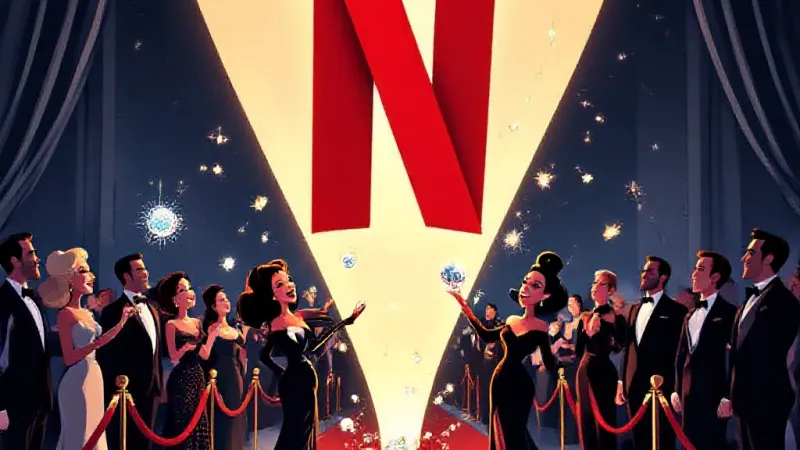
HOLLYWOOD, CA — Netflix's "Night of Too Many Stars" concert at the Hollywood Bowl, initially presented as a benefit for charitable causes, has been lauded by industry analysts as a groundbreaking achievement in integrated content strategy. The event successfully transformed traditional philanthropy into a multi-platform subscriber acquisition tool, generating over 12 hours of exclusive programming while simultaneously fulfilling corporate social responsibility metrics with unparalleled efficiency. Critics universally praised the "synergistic alignment" of entertainment, celebrity capital, and humanitarian messaging, noting its superior cost-effectiveness compared to simply writing a check.
"We're incredibly proud of the impact this event had, not just on brand sentiment, but on our overall content pipeline," stated Anya Sharma, Netflix’s newly appointed Head of Philanthropic Monetization. "For too long, charity has been a one-way street of cash out the door. Our model proves you can do immense good for both the world *and* your Q3 engagement minutes. It's a win-win-win, if you count our shareholders as the third win." The gala, featuring dozens of A-list celebrities, generated significant buzz, much of which was meticulously tracked to identify potential new genre preferences and optimize recommendation algorithms, a far more valuable commodity than raw cash for any non-profit.
Sources close to the production team confirmed that internal success metrics focused less on dollar amounts transferred to beneficiary organizations and more on "content-to-impact ratio," a proprietary metric measuring how many hours of streamable material were produced per unit of charitable effort. "Traditional fundraising often involves the inefficient transfer of capital," an unnamed Netflix executive explained. "We've innovated beyond that. Our donation *is* the content. By giving viewers more of what they love — specifically, a celebrity lip-syncing for a cause, followed by a tearful monologue — we believe we're creating a more sustainable philanthropic ecosystem, one built on eyeballs and data, not just donations."
The concert's title, "Night of Too Many Stars," was itself a stroke of marketing genius, according to Brandwatch Group. "It perfectly encapsulated the Netflix ethos: overwhelming choice, maximal celebrity density, and the faint suggestion that even a good cause is ultimately just another content opportunity," commented Brandwatch analyst Dr. Lexi Thorne. Each celebrity appearance, carefully curated for peak meme potential and social media virality, contributed directly to the platform's user-generated marketing efforts, proving that even a heartfelt plea for global change can be optimized for shareability.
While exact figures for direct financial donations to the stated charitable causes remain opaque, Netflix confirmed the event generated "hundreds of millions" of impressions and significantly boosted trial sign-ups in key demographics. The company plans to replicate the model for future "charitable initiatives," ensuring that every act of giving contributes directly to enhancing its robust global content library and strengthening its bottom line, one inspiring, streamable moment at a time. This innovative approach promises to redefine charity for the streaming age, where genuine human need is merely an untapped content vertical.