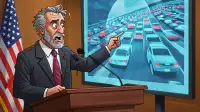

HOUSTON — Following a recent "wombo combo" of severe weather events, meteorologists across the nation are issuing an unprecedented new alert: prepare for normal weather. The National Oceanic and Atmospheric Administration (NOAA), in a joint statement with the American Meteorological Society (AMS), indicated that the public should brace for a sustained period of utterly unremarkable conditions, signaling a significant shift from the recent stream of headline-grabbing atmospheric theatrics.
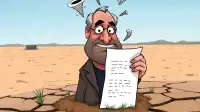
"After weeks of 'atmospheric rivers,' 'polar vortices,' and what we in the biz affectionately term 'the Wednesday morning wombo combo,' we're entering a climate desert of mild temperatures and predictable forecasts," stated Dr. Brenda Finch, lead climatologist for the newly formed Institute for Meteorological Engagement Studies. Dr. Finch expressed concern that the sudden dip in dramatic weather could trigger widespread "drama withdrawal syndrome" among a populace now accustomed to hourly updates, live streams of flooded intersections, and the constant threat of having their patio furniture become a projectile. "How will people generate content? What will they post on TikTok when the biggest news is a gentle breeze?" she mused.
Reports are already surfacing from early adopters of normalcy. Karen from Boise, Idaho, noted her disappointment after checking five different weather apps only to find "mostly sunny with a high of 72." "It's just… boring," she told Hambry. "Where's the 'bomb cyclone'? The 'atmospheric river'? I feel like I'm missing out on a major event, but it's just… Tuesday." Social media feeds, once brimming with dramatic cloud formations and local flooding memes, have reportedly seen a sharp decline in engagement, with users expressing a palpable ennui at the prospect of stable barometric pressure.
A leaked memo from "Project CalmFront," an internal initiative by a major weather network, reportedly detailed strategies for generating viewer interest during periods of non-extreme weather. Tactics included "elevating dew point fluctuations to 'micro-climatic anomalies'" and "hyper-personalizing wind gusts as 'unsolicited atmospheric intrusions.'" Despite these efforts, industry analysts predict a significant drop in weather-related content consumption, potentially impacting everything from emergency kit sales to the stock prices of umbrella manufacturers. The meteorology community, after years of honing their disaster-narrative craft, now faces its greatest challenge: making "partly cloudy" feel like a threat.
"We trained for hurricanes, blizzards, even 'bomb cyclones,'" Dr. Finch added, wiping a tear. "But no one prepared us for the existential dread of prolonged, utterly average weather." The real storm, it seems, isn't brewing in the atmosphere, but in the collective anxiety of a society deprived of its next big weather event.