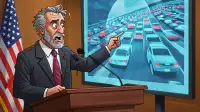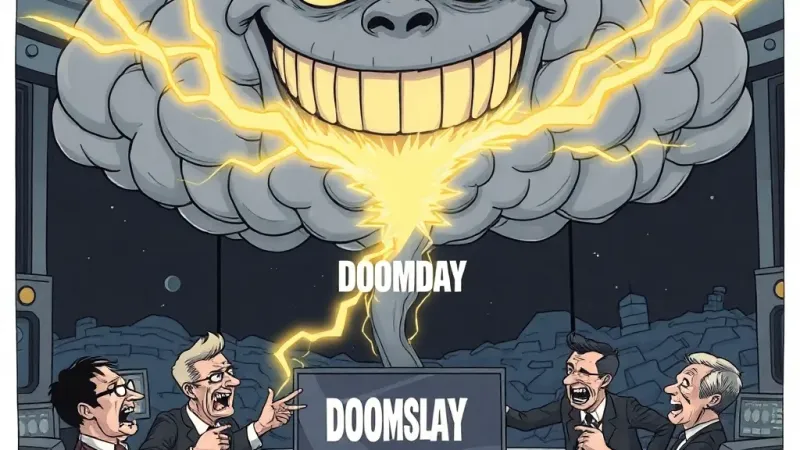
It’s that time again, isn’t it? The Ozarks are bracing for another 'severe weather event,' and dutiful citizens are glued to their televisions, refreshing apps, and absorbing every frantic 'update' from breathless meteorologists. They show us colorful blobs on a map, rattle off percentages, and solemnly warn us to take cover. But what if I told you this entire theatrical display isn't just unnecessary, but actively *contributing* to the very meteorological mayhem it purports to predict?
Think about it. Before the age of 24/7 news cycles and Doppler radar that can pinpoint a raindrop from orbit, did we have fewer 'severe' storms, or were people just… less stressed about them? Our ancestors, hearty folk who built homesteads with their bare hands, didn't have someone in a brightly lit studio telling them to 'seek shelter immediately.' They simply observed the sky, noted a change in the wind, perhaps consulted a rheumatic knee, and acted accordingly. And guess what? Life went on!
Today, we've fallen into a dangerous trap. We’ve collectively manifested an environment where the mere *anticipation* of bad weather gives it energy, gives it permission to materialize. Every time a news anchor gravely announces a 'tornado watch,' are we not, in essence, sending out a cosmic invitation? Are we not focusing so much collective fear and attention on these atmospheric disturbances that they feel compelled to put on a show?
It’s basic physics, if you think about it. Energy attracts energy. When millions of eyeballs are fixed on the promise of an impending tempest, visualizing its destructive path, are we not unconsciously fueling its development? It’s not just a 'watch' or a 'warning'; it’s a global performance where the storm is the star, and our anxiety is its adoring, albeit terrified, audience. These meteorologists, with their degrees and their 'scientific models,' are merely unwitting conductors in this grand, self-fulfilling weather symphony. They're like coaches who tell their team they're going to lose, then act surprised when they do!
The solution, dear readers, is elegantly simple: stop paying attention. Next time the local news warns of apocalyptic hail, turn off your television. Unplug your devices. Go outside (safely, of course, if there’s no immediate danger) and look at the sky with an attitude of calm indifference, perhaps even gentle disapproval. Tell the clouds they’re being dramatic. Tell the wind to settle down. We need to collectively starve these weather events of the attention they crave. Let us reclaim our skies not with fear, but with a quiet, confident refusal to engage with their theatrics. Only then will the Ozarks, and indeed the world, truly find meteorological peace.