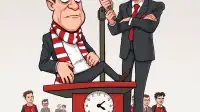
Liverpool Football Club is reportedly considering a bold strategic shift, moving away from the outdated concept of "club legends" and adopting a "planned obsolescence" model for player careers. This follows a recommendation from the esteemed analytics firm, SportsCapital Metrics, aiming to optimize squad performance and financial liquidity by ensuring no player remains on the books longer than their peak market value, regardless of past contributions or emotional resonance with the fanbase.
"The data is clear: emotional attachment to 'legacy' assets creates significant drag on future value potential," stated Dr. Kendra Thorne, lead architect of the "Player Lifecycle Optimization" algorithm at SportsCapital Metrics. Her firm’s proprietary predictive modeling, which incorporates fan engagement metrics, sponsorship potential, and projected resale value, has identified "legend status" as a primary indicator of suboptimal resource allocation. "Why cherish a fixed asset when you can leverage a dynamic, ever-improving portfolio, ideally before its five-year warranty expires and demands costly emotional maintenance?" Thorne added, gesturing at a complex spreadsheet of player depreciation curves.
Under the new model, any player reaching an "iconic milestone" – such as 200 appearances, a major trophy, or a particularly viral social media moment – would trigger an immediate review. This would lead to their prompt replacement by a younger, more cost-effective model with higher projected upside. The algorithm would also flag players whose historical highlight reels consume disproportionate club server space. Sources close to the club confirmed discussions are underway to introduce "legacy buy-out clauses" and "sentimental severance packages" as standard practice, effectively trading a potential statue for an immediate exit bonus and a well-produced tribute video.
A prominent fan group, "The Anfield Accountants," expressed cautious optimism, viewing it as a necessary evil. "It's tough, but if we're serious about competing in the global market, we can't afford sentiment to dictate our transfer policy," said spokesperson Mark Jenkins, a chartered accountant from Formby. "My kids don't care about a player who scored a winner ten years ago; they care about this season's TikTok highlights and the NFT drop. We need a ruthless efficiency that aligns with shareholder value and the fleeting attention spans of Gen Z, not sepia-toned memories of grandad’s heroes."
The shift reflects a wider trend in professional sports, where the traditional narrative of lifelong loyalty is being replaced by hyper-efficient churn. Analysts suggest that the next step could involve real-time player evaluations streamed directly to betting apps, allowing fans to "cash out" on a player's perceived value mid-game. This ensures continuous engagement and maximal financial opportunity for all stakeholders.
In a related initiative, the club is also exploring a subscription service for fan merchandise, ensuring supporters rotate out old jerseys before they become "sentimentally overvalued" and lose their trade-in equity on the secondary market.