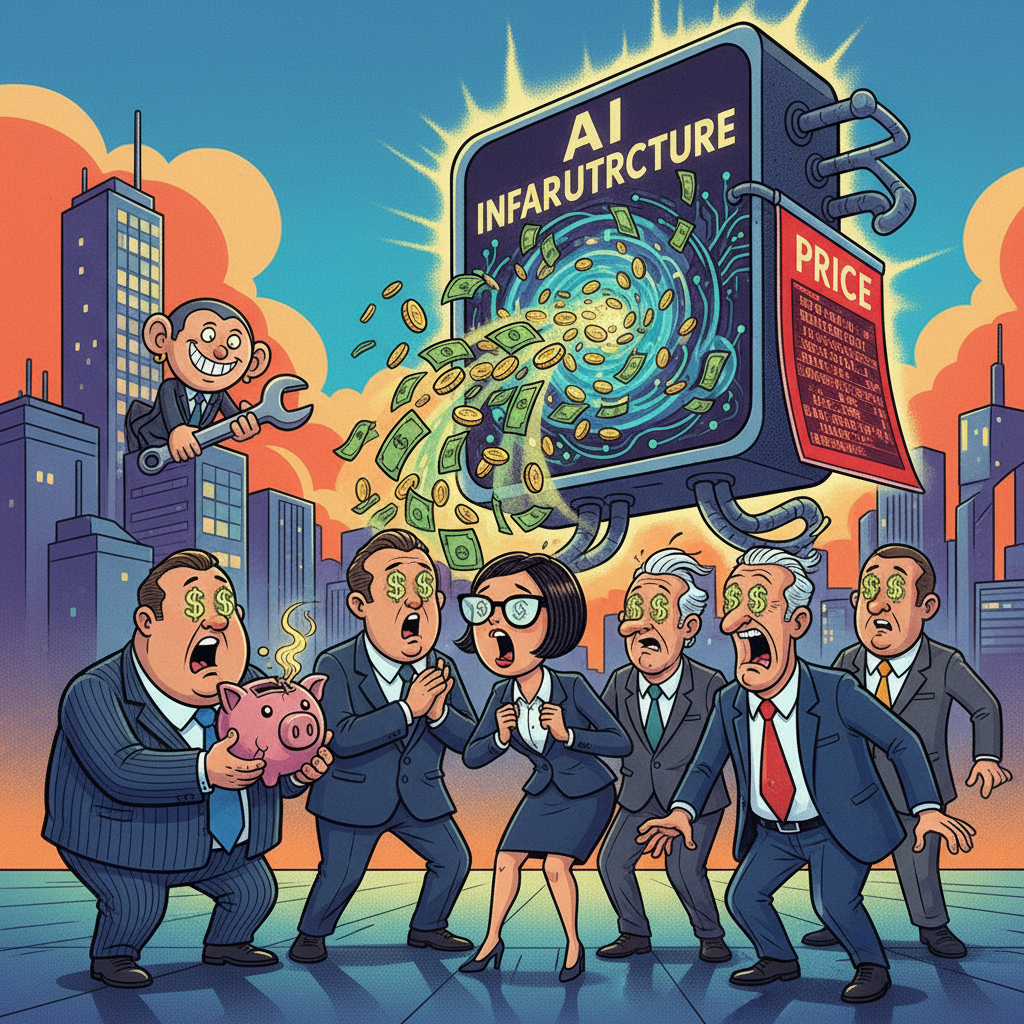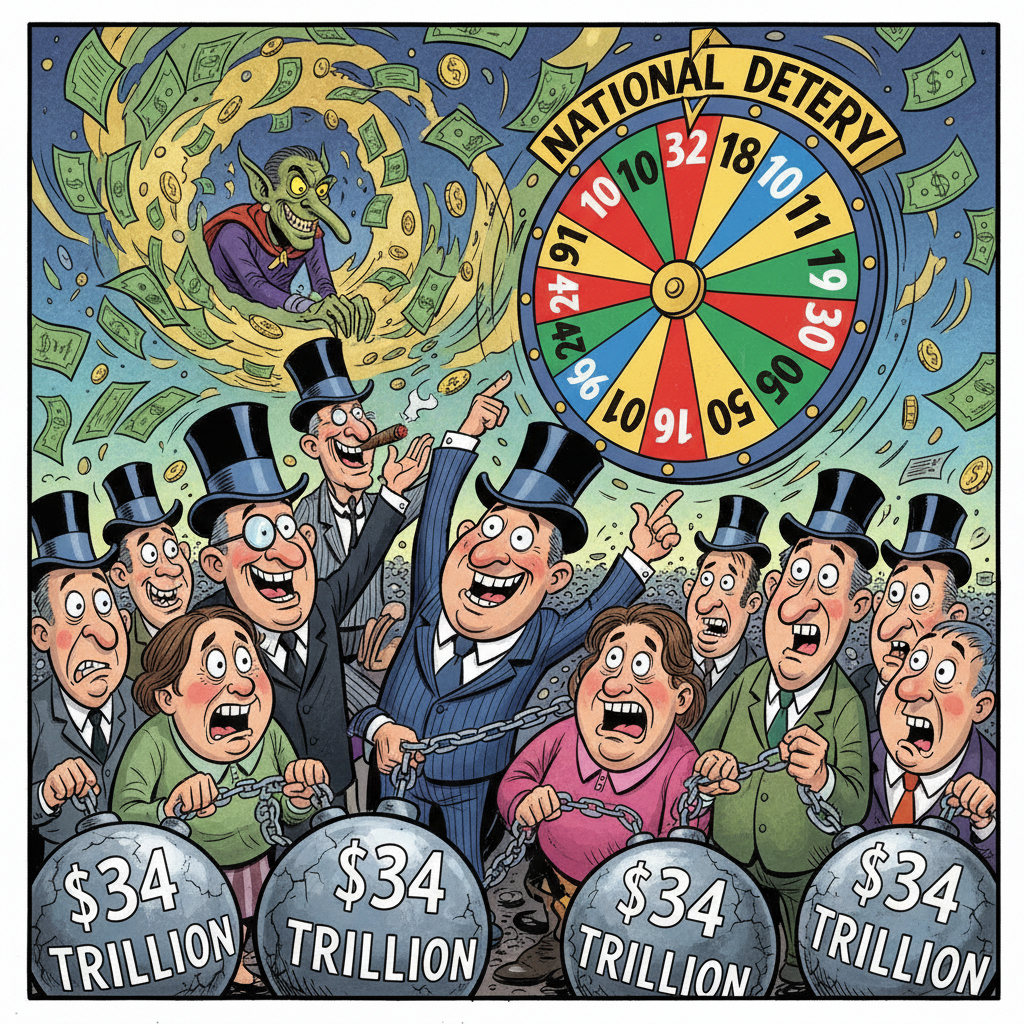
WASHINGTON D.C. — In a bold move to tackle the nation's burgeoning debt, the Treasury Department today announced a revolutionary new 'Debt Lottery,' designed to randomly assign portions of the national deficit directly to individual citizens. The program, slated to begin in late 2027, aims to foster a deeper, more 'tangible' connection between the populace and the country's financial health.
Under the new system, every adult citizen will be assigned a unique 'Fiscal ID.' When the national debt reaches pre-determined thresholds, a sophisticated algorithm will randomly select individuals to shoulder a proportional share. "We believe this will finally make the abstract concept of a trillion-dollar deficit feel real," stated Treasury Secretary Eleanor Vance, unveiling a prototype of the lottery ball machine. "Imagine the excitement when you receive that notification: 'Congratulations! You've won a $14,000 share of the national debt!'"
Critics immediately questioned the legality and ethics of the plan. "This isn't a game show; it's basic economics," argued Dr. Miles Corbin, a senior fellow at the Institute for Fiscal Sanity. "The government can't just offload its obligations onto random people like a bad party favor."
However, proponents argue the lottery will incentivize greater civic engagement. "Suddenly, people will care deeply about government spending when their next mortgage payment could be replaced by a national debt payment," said Senator Brenda Harrison (R-KY). "It's democracy in action, with a dash of existential dread."
Winners will have the option to pay their share in a lump sum, or through a 30-year, interest-bearing payment plan, ensuring the debt continues to generate revenue for future generations to also pay off.