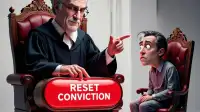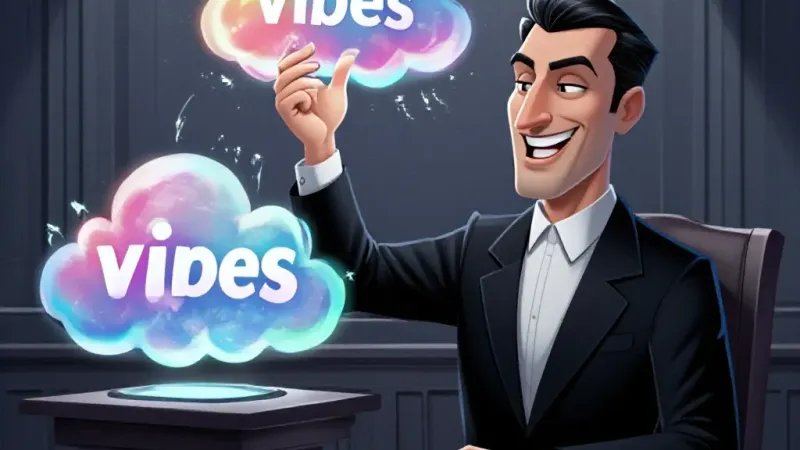
WASHINGTON D.C. — In a groundbreaking move hailed by proponents as "decisively modern" and "politically expedient," the Department of Justice announced Tuesday it is officially replacing traditional evidentiary standards with a "collective vibe assessment" for all future campus antisemitism investigations. The shift comes in the wake of a whistleblower’s allegations that current probes suffered from a "lack of evidence" and "political pressure," which the DOJ now confirms was simply an inefficient precursor to the new, streamlined approach.
"For too long, our investigative processes have been shackled by archaic notions of 'facts' and 'due process'," stated a visibly relieved Attorney General Merrick Garland, during an impromptu press conference held immediately after a particularly intense TikTok scroll. "With the advent of the Vibe Check Protocol, we can now swiftly determine institutional culpability based on public sentiment, social media trending topics, and, most importantly, the collective emotional resonance felt by key stakeholders. It’s about feeling, not proving."
The new system, developed in partnership with several influential online discourse analysts and a focus group of cable news pundits, assigns "vibe scores" to universities. High scores, indicating widespread public disgruntlement or a compelling viral clip, will trigger immediate, punitive action, bypassing tedious steps like interviewing witnesses or reviewing documents. Low scores, conversely, signify that any alleged issues are likely just "a bad day" or "misunderstood irony," requiring no further investigation.
Dr. Fiona "Fuzzy" Logic, lead architect of the Vibe Check Protocol and a former influencer specializing in "aura readings for corporate synergy," elaborated, "Why spend months gathering depositions when a well-placed outrage cycle can tell you everything you need to know? Our goal is to ensure justice is not only served but also *seen* to be served, preferably in a shareable format." When asked if the absence of evidence might concern some legal scholars, Dr. Logic simply rolled her eyes and referenced a trending meme about "main character energy."
The DOJ expects this innovative approach to drastically reduce the backlog of civil rights cases while simultaneously boosting public confidence in the department's responsiveness to prevailing political winds. Campus administrators are reportedly already scrambling to hire "vibe consultants" and implement "emotional contagion dampeners" to manage their institutional aura. The era of tiresome proof, it seems, has officially given way to the undeniable power of groupthink.