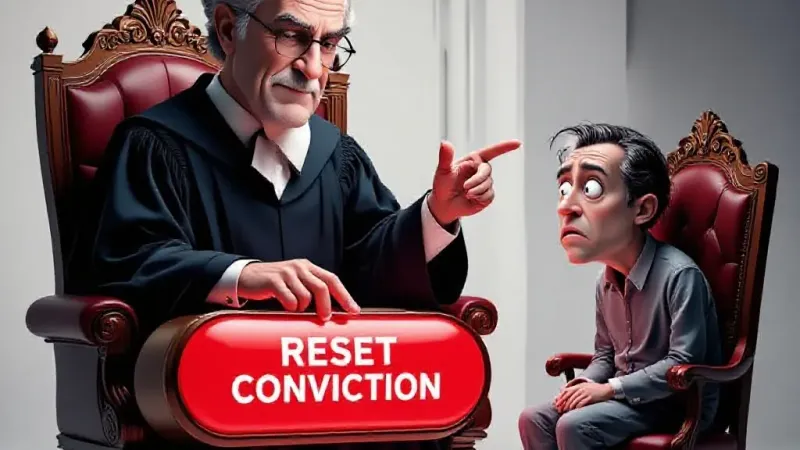
Moscow, ID – In a landmark decision highlighting the American justice system’s unwavering commitment to making sure everyone is *really, really sure*, convicted murderer Bryan Kohberger has been granted a new court hearing to petition the withdrawal of his guilty plea. Kohberger, who was convicted last month for the grisly murders of four University of Idaho students, apparently experienced a profound post-conviction epiphany, realizing that “guilty” legally translates to “not going home anytime soon.”
Sources close to the courthouse indicated that Kohberger’s sudden change of heart was triggered by the unexpected arrival of his prison commissary menu and the stark realization that his cell’s Wi-Fi was, quote, "absolutely garbage." Legal analysts, speaking on background, described the move as a bold "undo" button press on the scales of justice, a feature increasingly available to those with ample time and an unshakeable belief in the universe's infinite do-overs. "It’s less about guilt and more about buyer's remorse, really," explained Dr. Evelyn Finch, head of Post-Sentencing Regret Studies at the Institute for Aspirational Legal Maneuvers. "Many defendants, upon experiencing the full weight of accountability, often wonder if they can just hit 'restart.' Our system, bless its heart, often says, 'Sure, why not?'"
The judge’s decision ensures that the families of Kaylee Goncalves, Madison Mogen, Xana Kernodle, and Ethan Chapin will now have the distinct privilege of reliving every agonizing detail of the case, again, as the court system patiently attempts to confirm if Kohberger truly meant it the first time. Legal experts anticipate this novel tactic could set a precedent, allowing future convicts to appeal their pleas based on anything from a bad prison meal to a sudden philosophical disagreement with the concept of incarceration. "It’s a crucial step towards ensuring every criminal feels truly heard, even if what they're saying is 'I didn't like the ending, let's try another one'," commented a court clerk, polishing a "Justice Delayed is Justice ...Eventually" plaque.
Attorneys for the state expressed mild surprise, noting they had believed the entire "trial, conviction, and sentencing" phase had definitively concluded the matter. However, they confirmed their readiness to re-present evidence, re-call witnesses, and generally re-do everything for the man who previously admitted his culpability. The process, expected to cost taxpayers several million dollars, is being hailed as a testament to the system’s boundless capacity for procedural thoroughness, especially when it involves someone wealthy enough to keep pushing buttons.
In related news, a local man who paid for extra guacamole at Chipotle is now petitioning for a full refund after realizing it didn't magically solve all his life problems.