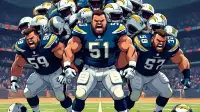

One notes, with a sigh that feels entirely too familiar these days, that the sporting establishments across the Atlantic continue their tireless efforts to redefine the very concept of competitive endeavour. News reaches us from Chapel Hill — a quaint enough name, one might think, for an institution apparently operating at the vanguard of collective delusion — regarding the University of North Carolina's basketball programme. Following the rather inconvenient injury to a "star player" (they always are, aren't they?), this particular outfit, the "Tar Heels" as they insist on being known, has decided against the traditional avenues of player replacement. No, indeed. Instead, they propose something rather more... ephemeral.
A "collective, fan-driven delusion initiative," it is termed. One hesitates to parse the phrase too closely, for fear of further brain erosion. The notion, apparently, is that the "sheer, unyielding conviction of their fanbase" will somehow "manifest victories." Frankly, it beggars belief. This isn't competitive sport; it's a séance, albeit one with rather more expensive tickets and considerably less dignified chanting. The article suggests they've "crunched the numbers" on the "emotional output" of 20,000 screaming fans. I covered the 1983 miners' strike; the emotional output there was considerable, yet somehow, it failed to manifest a functioning coal industry. Perhaps the Americans simply need to scream louder.
This speaks, one thinks, to a lamentable trend. The slow, inexorable slide from athletic prowess into the rather more nebulous realm of 'vibes' and 'narratives' has been gathering pace for some time. To codify it, to make "collective fan delusion" an official strategy — rather than the unstated, yet perfectly understood, foundation of most sporting fandom — is, to put it mildly, an act of administrative cowardice. It absolves the coaching staff, the players, and indeed, the nebulous "athletic department" (which one assumes is staffed by people paid to make actual decisions, not dabble in New Age mysticism) of any tangible responsibility.
One can almost hear the unctuous pronouncements: "We believe in the power of our community!" — while simultaneously praying that the opposition misses their free throws due to the sheer force of unearned optimism emanating from the stands. I recall covering the 1987 World Athletics Championships, where athletes actually had to run faster or jump further. There was no mention then of willing the shotput further through sheer force of will, nor of manifesting a faster sprint by dint of fervent belief. Perhaps that was merely our quaint, pre-delusion era.
The true tragedy, of course, is that actual skill, rigorous training, and the occasional stroke of luck are now deemed less fashionable than collective fantasy. And the fans, poor credulous souls, will no doubt oblige, howling at the moon and convincing themselves their collective energy has a quantifiable impact. One rather wished for a simpler life, before the advent of such managerial whimsy. Still, the editor insists these American curiosities are "important to cover." One simply files the copy and hopes for a return to something resembling reality, however fleeting.