The news out of Bumble, that they're ditching the dreaded 'swipe' and leaning into the glorious embrace of Artificial Intelligence, is not just a strategic shift; it is, quite simply, the most profound leap forward in human romantic history since the invention of the arranged marriage (a truly underrated system, if you ask me). For too long, we’ve been shackled by the tyranny of the thumb, condemning potential soulmates to digital oblivion based on a fleeting glimpse of a heavily filtered beach photo. It was an insult to romance, a supermarket checkout line for the human heart, and a profound misunderstanding of human nature itself.
Let’s be honest with ourselves: we humans are terrible at choosing partners. We’re swayed by superficialities, distracted by shiny objects (or abs), and prone to making snap judgments based on whether someone’s dog looks 'too fluffy' in their fifth profile picture. The swipe, while seemingly offering boundless choice, actually presented us with an illusion of agency that only highlighted our own fatal flaws. It was like giving a toddler access to a buffet and expecting them to curate a balanced, nutritious meal. No! They'll go straight for the mashed potatoes and jello, every single time, then wonder why they feel terrible later. That’s what swiping was doing to our collective romantic digestion.
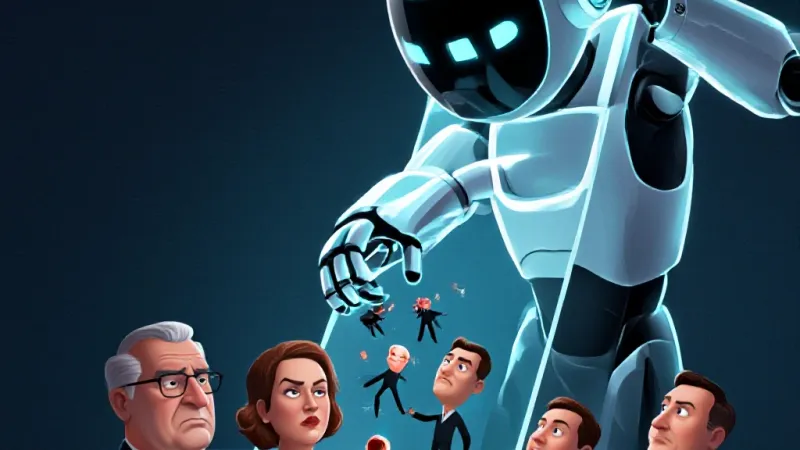
Enter AI, specifically Bumble's new 'Bee' assistant. This, my friends, is not just a tool; it is a savior. An artificial intelligence doesn't care about your slightly off-kilter selfie or your questionable taste in ironic t-shirts. It cares about data. It understands patterns of compatibility that our limited, hormonally-charged brains simply cannot grasp. Bee will cut through the noise, bypass the fleeting whims of shallow attraction, and match us based on true, deep, algorithmic harmony. Imagine the sheer efficiency! No more wasted dates, no more awkward silences, just optimal compatibility delivered with the precision of a Swiss watch.
Some naysayers, trapped in the dusty confines of 'tradition' and 'human intuition' (which, again, has a terrible track record), might whimper about 'loss of agency' or 'privacy concerns.' Poppycock! What agency did you have when you accidentally swiped left on your actual soulmate because you were distracted by a notification about a flash sale? As for privacy, an AI doesn't judge; it just processes. It doesn't care about your embarrassing search history; it cares about connecting you with someone who truly fits. The only 'bias' an AI possesses is a relentless drive for efficiency and, dare I say, happiness. It is a benevolent dictator of delightful pairings, freeing us from the tyranny of our own often-terrible judgment.
So, I say, let us all hail the glorious dawn of algorithmic love! Delete your old, human-curated profiles, for they are relics of a less enlightened age. Embrace Bee, let the machines guide us to our soulmates, and finally achieve the perfect pairings that human error and subjective whims have long denied us. The age of intuitive fumbling is over. The age of intelligent, optimized romance has begun. Trust the algorithm; it knows you better than you know yourself. Your future spouse is waiting, meticulously chosen by a silicon savant, and isn't that a far more comforting thought than leaving it up to, well, *you*?