Kansas City, KS – In a move that sent shockwaves through the competitive landscape of collegiate athletics and prompted an immediate surge in local sports talk radio call volumes, University of Kansas head men’s basketball coach Bill Self announced Wednesday he intends to continue fulfilling the terms of his existing employment contract through the 2026-27 season. The unprecedented commitment ensures that Self will remain employed as a basketball coach, a position he has held for over two decades, rather than immediately resigning or pursuing an entirely different career path.
The statement, delivered with the gravity usually reserved for peace treaties or major economic policy shifts, confirmed that Self remains "focused and committed to Kansas" and "competing for a National Championship." This implied that a deviation from these activities was, at some point, a genuine possibility, leading sports analysts to immediately dissect the profound implications of a successful, well-compensated individual opting to retain their position, praising the coach’s unwavering dedication to continued gainful employment.
"We live in an age where job mobility is at an all-time high, especially for figures of Coach Self's caliber," explained Dr. Evelyn Finch, a professor of Employment Expectation Studies at the fictional Great Plains University of Contractual Obligations. "For him to stand firm and say, 'Yes, I will continue to work the job I am contracted to do,' it really sets a new benchmark for professional stability. It's a bold declaration in a world where we've been conditioned to expect high-profile figures to abandon their posts for increasingly nebulous reasons, sometimes mid-season, for slightly more money or simply a change of scenery. This commitment, while seemingly basic to anyone outside of elite sports, is monumental within its context."
The announcement was met with a celebratory frenzy across various sports media outlets, with ESPN’s "First Take" dedicating three hours to speculate on the psychological fortitude required to simply *not quit* a long-standing, successful role. Analysts questioned what personal sacrifices Self must be making to resist the allure of the unknown, the tantalizing prospect of doing literally anything else, or the quiet desperation of a sudden, unexplained retirement. Many lauded his courage to continue collecting his multi-million dollar salary rather than forcing the university to find a replacement under the weight of an unfulfilled agreement. Rumors had previously swirled, albeit without specific evidence, that Self might explore ventures such as competitive bird watching or perhaps even a career as a professional napper.
While the specific details of what might have prompted Self to *not* fulfill his contract remain shrouded in mystery, the university community expressed profound gratitude for his decision to remain a coach. "It's truly inspiring," said sophomore marketing major Chad Brolin. "I mean, most people just, like, go to work every day and don't make a huge deal about it. But for someone *important* to actually commit to doing that, for a few more years? It's huge. What an example of steadfastness in the face of literally no external pressure to do otherwise."
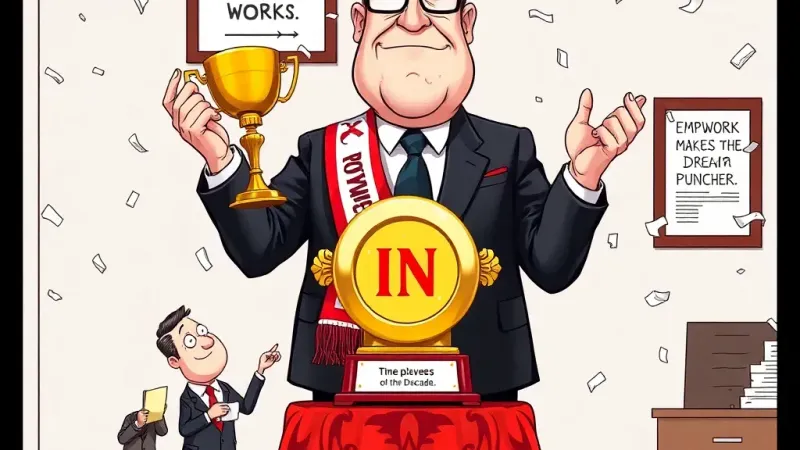
The 2 offers a stark reminder that in the volatile world of college sports, merely showing up for work and honoring existing agreements can now be heralded as an act of profound, almost saintly, loyalty, cementing his legacy not just as a coach, but as an individual who, against all odds, chose to continue working.
Self’s decision to remain at the helm means Kansas will continue to have a basketball coach, a critical element in fielding a basketball team.