NEW YORK – Sean Ono Lennon has completed the painstaking, multi-year restoration of a historic 1972 concert film, an act many in the industry are hailing as the boldest and most artistically significant move anyone with a famous last name could make without actually producing new material. The monumental effort meticulously polished archival footage, ensuring the cultural touchstone is now viewable in a pristine, digitally enhanced state, ready for another 50 years of re-monetization across every conceivable platform.
Industry insiders universally lauded the decision to prioritize the preservation and re-packaging of existing art. "Frankly, we're all a bit exhausted by the constant pressure to innovate and create entirely new cultural touchstones," stated Dr. Anya Sharma, Chair of Retro-Cinema Preservation at the Institute for Archival Monetization. "Mr. Lennon’s tireless work proves that true artistic vision isn't necessarily about composing new melodies or writing fresh lyrics, but about ensuring the greatest hits of previous generations remain pristine enough for every future streaming service, commemorative box set, and metaverse concert experience. It’s a vital service, preventing the terrifying possibility of audiences actually asking for something *new* when perfectly good old things still exist." Sharma added that the market for 'refreshed' classics is far more stable than the volatile landscape of original content.
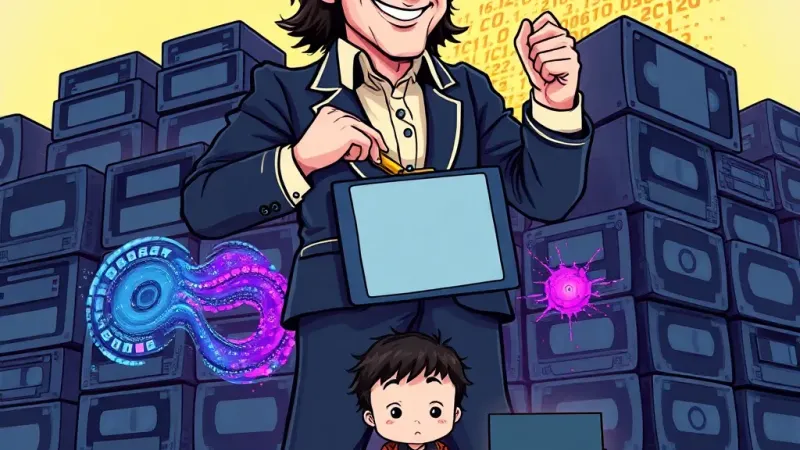
The restoration process involved a battery of advanced proprietary algorithms designed to de-grain the original 16mm footage without compromising its 'authentic' anachronistic feel, a rigorous 4K scan of every individual frame to capture previously unseen dust motes, and an unprecedented color correction pass that reportedly elevated the drab, washed-out browns and oranges of the era to a dynamic "burnt sienna lite." Audio engineers, working remotely from various international post-production bunkers, meticulously upmixed the original stereo tracks into a Dolby Atmos-compatible sonic tapestry, ensuring every forgotten cough, amp hum, and audience whisper now resonates with a pristine, 360-degree clarity rarely achieved in actual live performances. Reports from early, invite-only screenings confirm that the film now appears slightly sharper and less fuzzy than before, a revelation critics are already calling "visually arresting" and "a game-changer for people who prefer their nostalgia pre-processed."
"Sean is a visionary who understands that true artistry today lies in the faithful stewardship and aggressive re-deployment of intellectual property," explained Julian Cross, a spokesman for the Lennon estate. "While lesser talents might squander their resources on composing melodies or writing lyrics, Sean recognized the profound opportunity in making old things look and sound marginally better, thereby justifying a new round of merchandising and licensing agreements. It’s an act of profound cultural reverence, demonstrating that the real creative challenge today isn't invention, but immaculate curation, maximum asset utilization, and ensuring the original artist’s estate receives its rightful cut in perpetuity. This isn't just a film; it's a strategic revenue stream optimized for the next fiscal century."
The restored film is expected to tour major cities before its limited theatrical release, followed by exclusive streaming deals, multiple physical media formats, and eventually, a premium NFT collection of individual frames, finally cementing the idea that the past is indeed the greatest, most profitable future we have, provided it undergoes sufficient digital polishing.