
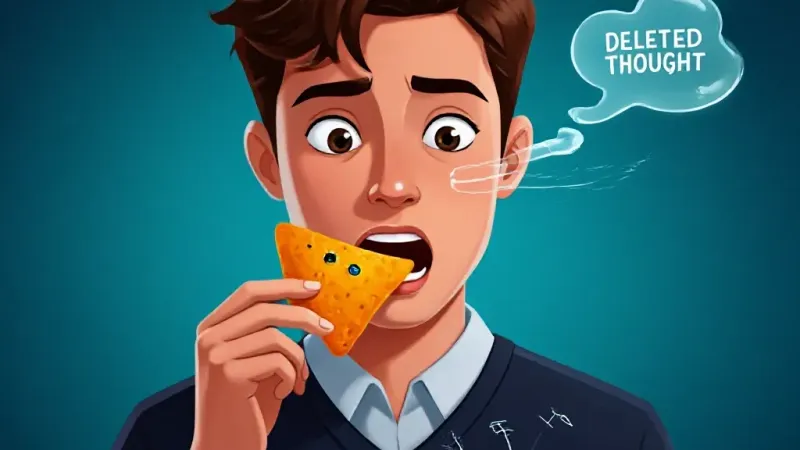
Students returning to American schools are entering the most surveilled campuses in history, where algorithms now interpret unsent thoughts and snack bags as immediate threats. In Arizona, a sophomore faced an 11-day suspension after monitoring software caught him typing and deleting jokes in an email draft he never sent. Meanwhile, in Baltimore County, Maryland, a detection system incorrectly identified a teenager’s bag of Doritos as a firearm, leading to eight police cars and the student being cuffed at gunpoint.
This omnipresent school apparatus includes facial recognition, AI weapons detection, bathroom sensors "listening for aggression," drones, and plate readers. Beverly Hills High, for example, spent $4.8 million on its surveillance in one fiscal year, a preview of vendor aspirations everywhere. The consistent pitch for these systems remains "safety," even as their actual performance in preventing violence raises serious questions.
The notion that enhanced surveillance increases safety is demonstrably false. A 2023 American Civil Liberties Union report found that eight of the ten deadliest school shootings in two decades occurred on campuses already equipped with surveillance cameras, including Parkland and Uvalde. The equipment watched, recorded, but ultimately "saved no one." What this technology excels at is generating paperwork about children who have done nothing. When software like Gaggle quarantines a draft or Securly assigns a “wellness level,” it’s filing a report about a young person's intentions. This report carries the authority of a multi-million-dollar system, landing on an administrator's desk before the student has even spoken, often making their subsequent account too late.
The algorithms are not neutral. A Center for Democracy and Technology survey revealed that nearly a third of LGBTQ+ students reported being outed by monitoring, sometimes to administrators, through private searches. Students, aware of constant surveillance, self-censor: approximately half say they don’t share true thoughts online, and roughly 8 in 10 are more careful about what they search. This past July, the Department of Education further weakened student protections by stripping the disparate-impact standard from its Title VI enforcement, removing a crucial "shield" against policies that disproportionately affect protected students.
A generation is now learning that when they and the machine disagree about what just happened, their "account of its own life is provisional," and they are the ones who always have to prove it.