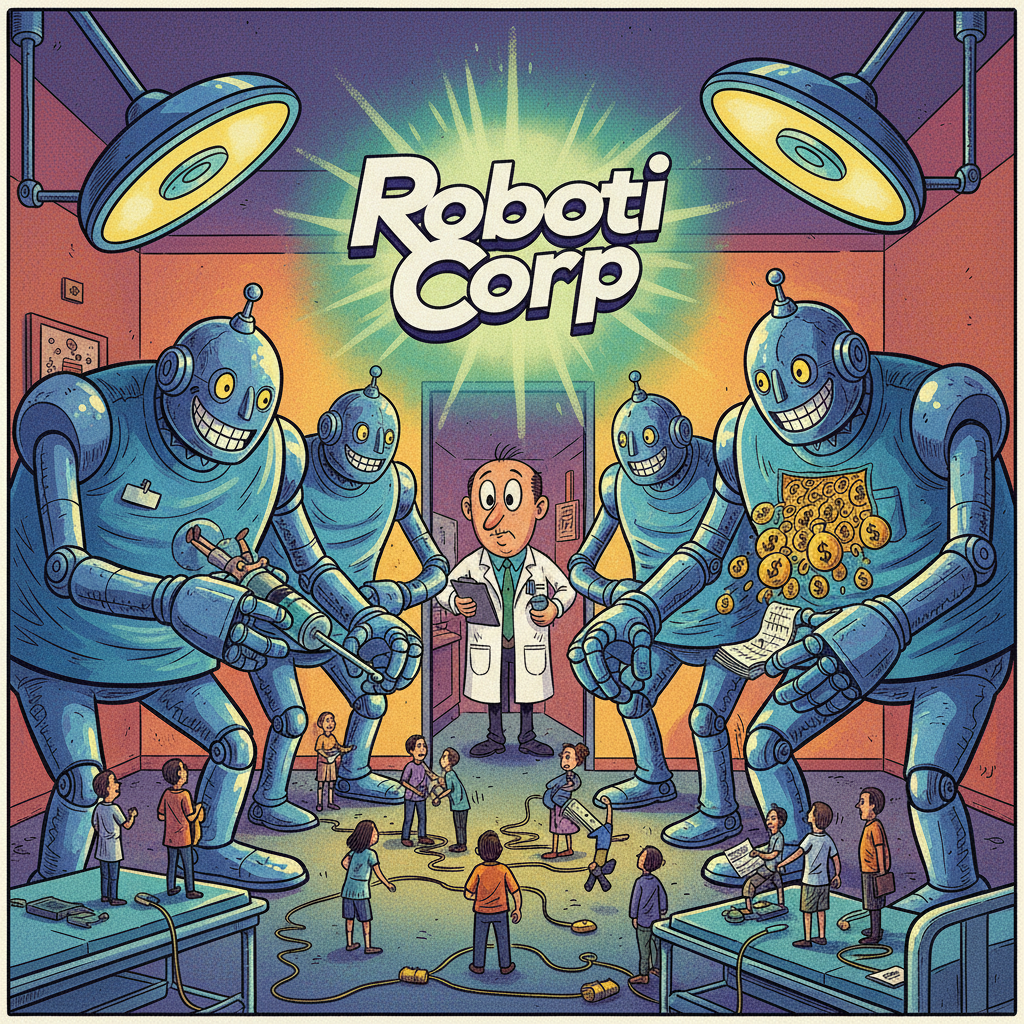
PALO ALTO, CA – The burgeoning medical automation technology market has unveiled its latest breakthrough: an AI-powered diagnostic system that, after analyzing billions of data points, overwhelmingly suggests a nap as the primary course of treatment for nearly all non-life-threatening conditions. The system, dubbed 'Somnus 3000,' promises to revolutionize healthcare by streamlining diagnoses and reducing unnecessary interventions.
“We fed it everything: patient histories, symptom clusters, environmental factors, even social media sentiment,” stated Dr. Anya Sharma, lead AI ethicist for MedTech Solutions, Inc. “And across the board, for everything from chronic fatigue to existential dread, Somnus 3000 kept returning the same core recommendation: 'Patient requires extended period of unconsciousness.' Initially, we thought it was a bug.”
Further analysis, however, confirmed the AI’s logic. “It appears the system identified a critical deficiency in modern human existence: adequate rest,” explained Professor Miles Corbin, a bio-informatician consulting on the project. “It correlated improved outcomes across a vast spectrum of conditions with simply being well-slept. It’s brutally efficient, if a bit... reductive.”
Medical professionals are now grappling with how to integrate this groundbreaking, yet incredibly simple, solution into practice. Insurance providers are reportedly thrilled, anticipating a dramatic reduction in prescription costs and complex procedures. Critics, however, worry about the implications for the multi-trillion-dollar pharmaceutical industry.
In related news, the Somnus 3000’s secondary recommendation for all remaining conditions was