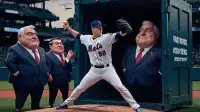
BOSTON – The Boston Red Sox organization today unveiled a groundbreaking strategic initiative, formally adopting "Opposing Pitcher Injury" (OPI) as a cornerstone of its competitive philosophy. The move, announced in the wake of Detroit Tigers ace Tarik Skubal's recent injury scare, marks a significant shift for the struggling franchise, which aims to capitalize on rival teams' misfortunes to improve its own standing.
During a press conference held at Fenway Park's new "Proactive Adversary Wellness Monitoring Suite," Red Sox General Manager Landon Finch explained the methodology behind the newly christened "Skubal Effect" research. "Our analytics team has crunched the numbers for months, correlating every significant opposing pitcher injury with a measurable, albeit minuscule, uptick in our team's collective batting average and on-base percentage in subsequent matchups against that pitcher's club," Finch stated, gesturing to a complex-looking flowchart detailing 17 different types of elbow and shoulder maladies. "The data clearly indicates that a rival ace's strained flexor, for instance, provides a statistically significant .0002 boost to our OPS when facing their third-string bullpen arms. These aren't just 'injuries' anymore; they're 'unforeseen competitive opportunities' that, when aggregated, create a pathway to success."
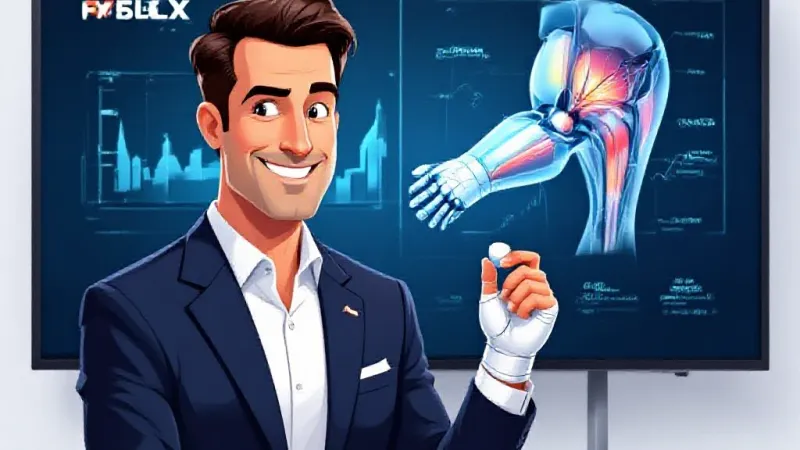
To operationalize OPI, the Red Sox have launched a dedicated "Injury Anticipation & Mitigation (Opponent Focus) Department." This 37-person division, led by former fantasy baseball analyst and certified shaman Dr. Kendra Maxwell, utilizes proprietary algorithms, predictive AI modeling, and "bio-spiritual mapping" to identify pitchers most susceptible to common ailments. "We're not wishing ill on anyone, of course," Dr. Maxwell clarified, adjusting her augmented reality headset as a faint scent of sage filled the room. "We're simply optimizing our readiness for when the universal forces of biomechanics inevitably express themselves, often after a particularly strenuous bullpen session. Our enhanced scouting reports now include 'Likelihood of Tendinitis' and 'Estimated Return-to-Pitcher-of-Record Status' alongside fastball velocity and spin rate. It’s all about competitive intelligence." Sources within the organization confirmed that the department's budget, including a specialized 'Stress Crystal Acquisition Fund,' has already surpassed the combined player development budgets for three other AL East teams.
Team leadership emphasized that OPI is a vital step in modernizing the franchise, which has often been criticized for its recent on-field performance and stagnant strategies. "It's about being proactive, not reactive, in a hyper-competitive market," commented Red Sox owner John Henry via a pre-recorded holographic message projected onto the Green Monster, momentarily flickering over a scoreboard showing a recent Red Sox loss. "While other teams are busy developing their own talent or making shrewd trades, we're focusing on the exogenous variables that truly differentiate a champion from a perennial wild card contender. Why invest billions in free agents or cultivate a robust farm system when a perfectly timed UCL tear could yield similar, if not superior, returns at a fraction of the cost?" The organization also announced a new line of team merchandise, including "OPI: We're Rooting For You...To Rest" t-shirts and commemorative stress balls shaped like opposing team logos.
When asked if the team would ever consider investing similarly in its *own* roster's health, talent development, and on-field performance, Finch paused, blinked slowly for an uncomfortably long moment, and eventually replied, "We'll cross that bridge when we've exhausted all other external, statistically viable solutions."