
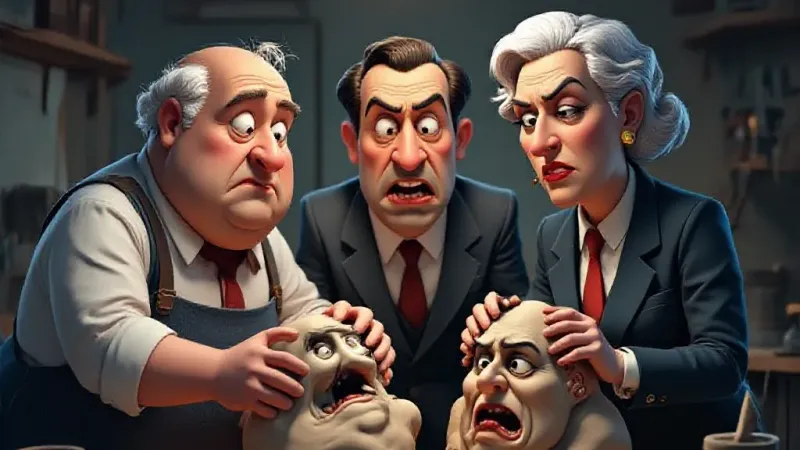
WASHINGTON D.C. — In a bipartisan show of performative outrage, members of Congress this week condemned the rising use of artificial intelligence in political attack ads, arguing that machine-generated fabrications undermine the integrity of the electoral process. The consensus among legislators was clear: if voters are going to be misled, it should at least be done with a human touch and the direct approval of a campaign manager.
"There's an art to political deception," stated Rep. Mitch O'Connell (R-KY), adjusting his perfectly pressed suit. "It takes years of practice, focus groups, and highly paid consultants to craft a message so precisely devoid of truth yet so appealing to the base. To let some algorithm just whip that up overnight? It's disrespectful to the craft. What's next, AI speechwriters for our carefully ghostwritten memoirs?" O'Connell paused, reportedly to ensure his internal AI didn't prematurely release his next carefully crafted non-answer.
Many lawmakers feared that the raw efficiency of AI could democratize misinformation, potentially allowing less well-funded campaigns to deploy high-quality, targeted smears. "Our constituents deserve to know that the misinformation they’re consuming has been meticulously curated by our communications teams, not some soulless neural network," lamented Sen. Diane Feinblatt (D-CA). "The personal touch is paramount when you're undermining public trust. We're talking about the bedrock of American democracy here: carefully orchestrated insincerity."
Sources close to various congressional campaigns, speaking anonymously to Hambry, confirmed that the real concern isn't the 'lying' part, but the potential for AI to expose their own existing, less sophisticated methods. "Right now, we pay a small fortune to a team of interns to scroll Facebook for embarrassing photos and then have a junior staffer Photoshop them into compromising situations," one campaign director admitted. "AI could do that in seconds, with better lighting and a more convincing narrative. We're not against lying; we're against lying being cheap and effective for *everyone*."
The fear, it seems, is less about truth and more about market share. As one unnamed tech lobbyist put it, "Politicians are simply mad that someone else figured out how to make the sausage without inviting them to the factory floor. They want AI regulated, not because it's dangerous, but because their own departments are three years behind schedule on their 'Deepfake Our Opponent into a Furry Convention' initiative." The battle for the soul of political dishonesty has just begun, and apparently, only humans are allowed to win.