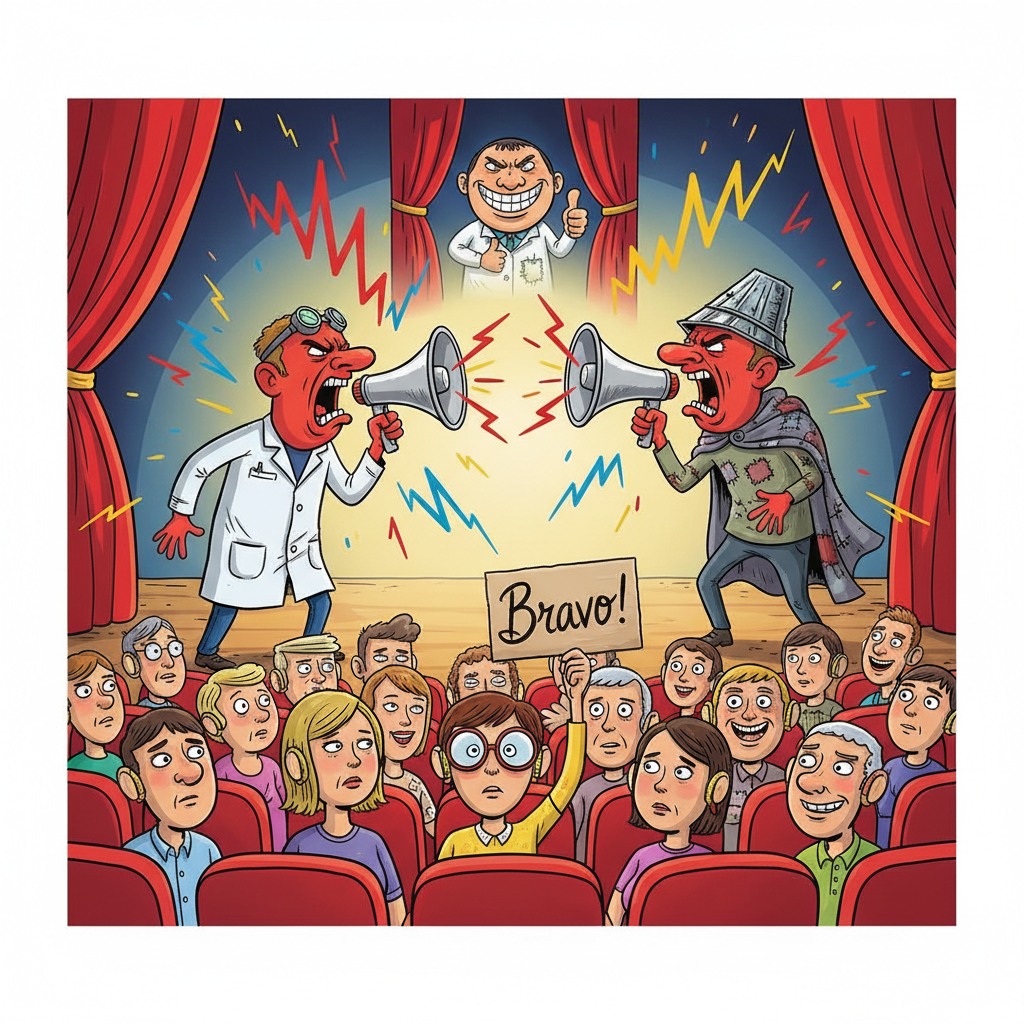
WASHINGTON D.C. – A groundbreaking new report from the Institute for Jurisprudential Efficiency (IJE) has revealed that the American plea bargain system is primarily designed to facilitate a rapid, superficial resolution of legal matters, rather than to establish guilt or innocence. The findings come after a former assistant’s lawyer asserted that a recent plea deal for a high-profile coach did not “absolve” him, prompting widespread confusion among the general public who believed plea deals were, in fact, for absolution.
“We’ve found that the average plea bargain functions much like a first date where both parties are just trying to get through dinner without making eye contact,” explained Dr. Evelyn Hayes, lead researcher at the IJE. “It’s less about justice and more about getting everyone out of the courthouse before lunch.” Dr. Hayes noted that the system prioritizes caseload management over the nuanced pursuit of truth, often leaving victims and the public with a lingering sense of unresolved ambiguity.
Legal scholars praised the IJE’s candor. “For years, we’ve been pretending that plea deals are about admitting fault and taking responsibility,” stated Professor Jeremy Finch of the University of Legal Fictions. “But let’s be honest, it’s a transactional agreement. You trade potential conviction for a lesser charge, and everyone goes home slightly less inconvenienced. Absolution was never on the menu.”
The report concludes that anyone seeking true absolution should probably look to a higher power, or at least a very good publicist, as the legal system is simply too busy for such sentimental endeavors.