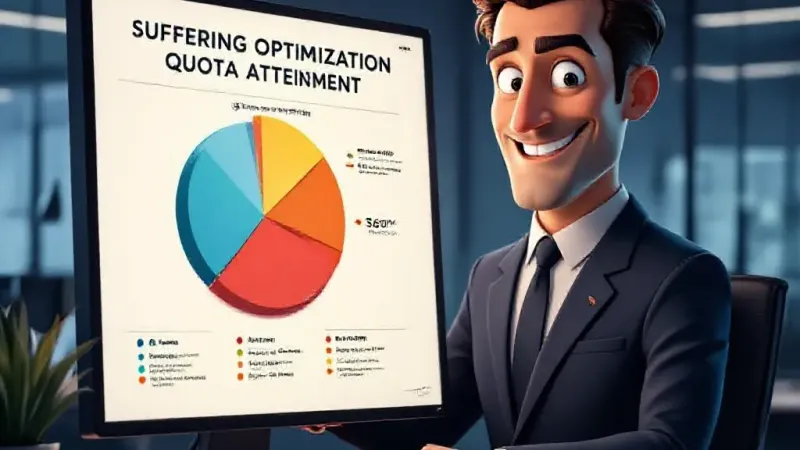
Pennsylvania counties are reportedly embracing new "Optimized Animal Cruelty Metrics" following the implementation of Libre's Law, allowing for more precise categorization of animal suffering. The initiative aims to provide local law enforcement and humane societies with granular data, distinguishing between 'standard' and 'aggravated' acts of abuse for more efficient resource allocation and target-setting. This data-driven approach promises to revolutionize how jurisdictions approach animal welfare, moving from reactive responses to proactive, metric-based management.
"Before, it was all just 'cruelty,' which frankly was a little messy for our spreadsheets," explained Brenda Thorne, Director of Canine Compliance for Susquehanna County. "Now, with clear definitions for things like 'mild neglect leading to moderate discomfort' versus 'purposeful infliction of severe, prolonged agony with a bladed instrument,' we can see where our county truly excels. It’s about understanding our specific cruelty landscape and identifying areas for 'improvement' or 'sustained performance,' depending on the metric." Thorne highlighted that Susquehanna has seen a 12% increase in 'Aggravated Level 3' filings, attributing it to "proactive public outreach" and "an exceptionally committed demographic of local sadists who appreciate clarity."
Legal experts suggest the tiered system could lead to competitive dynamics among counties, fostering a healthy rivalry in cruelty management. "No one wants to be the 'soft on cruelty' county, especially when state funding is tied to performance," noted Dr. Lyle Finch, a socio-legal analyst with the Institute for Aspirational Suffering Metrics. "We anticipate seeing counties touting their low 'Aggravated Tier 1' numbers while simultaneously showcasing their robust prosecution rates for higher tiers. It’s about signaling efficiency to taxpayers, proving they're getting maximum punitive bang for their buck, even if the animals themselves aren’t exactly thrilled with the distinction or the process of being categorized."
A leaked internal memo from the Department of Animal Justice, obtained by Hambry, detailed plans to introduce a "Cruelty Futures Market," where counties could trade 'credit' for reducing specific types of animal abuse, or even purchase 'allowances' for exceeding baseline cruelty thresholds during peak "holiday abandonment season." The memo projected significant revenue generation from counties with historically high rates of 'Extreme Emotional Distress-Level 4' cases, suggesting a robust secondary market for certified animal suffering. Initial pilot programs are reportedly underway in counties with high concentrations of "specialized abusers."
The state hopes this innovative, data-driven approach will one day allow Pennsylvanians to proudly display their county's "Cruelty-Per-Capita" rating on their license plates, fostering a sense of localized, quantifiable animal suffering and civic engagement in abuse management.