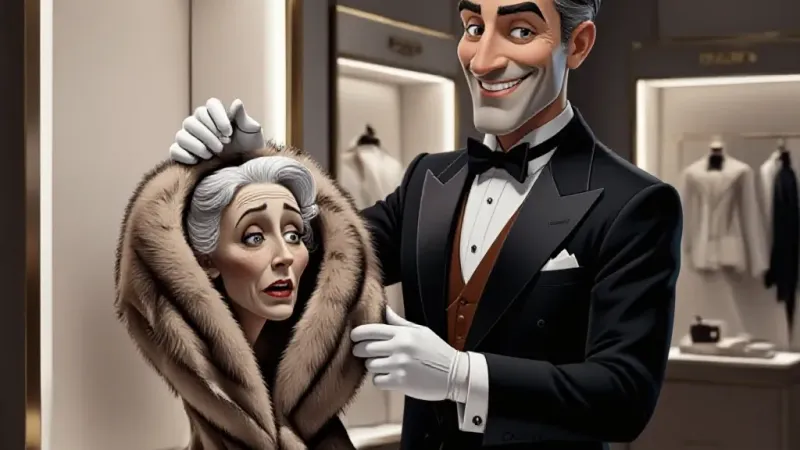
Bern, Switzerland — In a landmark decision that sent ripples of self-congratulation through its perfectly manicured valleys, Switzerland has officially become the first country to ban the import and sale of fur products. The move, celebrated by animal rights groups who clearly didn't check the nation's actual fur consumption statistics, positions the wealthy European enclave as a beacon of ethical consumerism, exactly as planned by its notoriously subtle PR apparatus.
"This bold stance truly underscores our commitment to a pristine, morally unblemished global image," stated a spokesperson for the Swiss Federal Office for Ethical Optics, speaking anonymously to protect the integrity of the illusion. "When you consider the staggering impact of eliminating an industry that, let's be honest, barely existed here in the first place, it's a testament to our profound dedication to doing things that look good on paper. It's like finding a single, perfectly groomed hair on a pure white kitten – utterly inconsequential, yet it just *completes* the look for our annual 'Global Morality Report' submission."
The ban, which will primarily affect the handful of boutiques still catering to a dwindling demographic of octogenarian fur enthusiasts and a few international tourists who mistakenly thought Switzerland was *the* place to snag a discounted sable, is expected to result in a dramatic 0.00003% decrease in the nation's overall carbon footprint. Economists are already predicting a surge in Swiss watch sales, as consumers unconsciously associate the nation's newfound fur-free status with an even higher standard of timeless, ethical craftsmanship.
"It's a classic Swiss maneuver," commented Dr. Lena Schmidt, a professor of Perceived Virtue at the Liechtenstein School of Strategic Reputation Management. "Why tackle systemic issues like, say, the billions in untraceable wealth flowing through your banks, when you can ban a dying fashion trend and win global applause? It's low-effort, high-reward ethical theater. They'll probably roll out a new line of 'Cruelty-Free' fondue forks next."
For many Swiss citizens, the announcement felt a bit like being told they'd won an Olympic gold medal for perfectly organizing their sock drawer. "It's nice, I guess," shrugged Heidi Baumgartner, a Bern resident struggling to afford a two-bedroom apartment that costs more than a small country's annual GDP. "Now if only they'd ban the import of everything costing more than my firstborn child, that would actually improve my life. Or maybe ban the *demand* for undeclared assets from dictators. But hey, no more fur-lined chalet slippers, so we're morally superior."
The ban ensures Switzerland's reputation as a clean, moral utopia remains as airtight as its banking secrecy laws, but with significantly fewer actual animals involved and absolutely zero impact on the nation's real economic drivers.