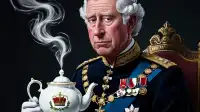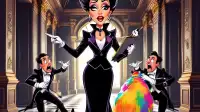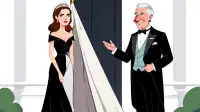
LONDON — In a landmark move designed to safeguard the United Kingdom's global cultural footprint and tourism revenue, Buckingham Palace today announced a new "Quaintness Quota" program, making the performance of specific, often perplexing, ancient traditions a mandatory job requirement for all future high-ranking royals. The initiative, spearheaded by the newly formed Royal Brand & Ancestral Practice Committee (RBAPC), aims to standardize and elevate the nation's unique appeal to international observers.
Under the new directive, heirs to the throne will be subject to quarterly performance reviews measuring adherence to established and recently innovated protocols. These include, but are not limited to, the daily ceremonial inspection of a designated pigeon covey, the public blessing of at least one historically significant badger sett per annum, and ensuring the precise 37-second duration of the official "waving from a moving carriage" gesture. Failure to meet these metrics could result in a reduction of ceremonial duties or, in extreme cases, reassignment to less visible patronages, such as obscure agricultural societies or lighthouse preservation trusts.
"For too long, the meticulous execution of our deeply peculiar customs has been left to individual discretion," stated Dame Penelope Fitzwilliam-Hawkins, Chief Royal Quaintness Officer and chair of the RBAPC, during a press briefing conducted entirely via ancient semaphore flags. "The modern monarch must understand that their role isn't merely constitutional; it's a vital, performative function generating intangible cultural capital. We are, essentially, an elaborate, living historical reenactment society with diplomatic immunity and a really big hat budget."
Economic analysts lauded the move, noting its potential to stabilize the fluctuating "Nostalgia Index," a key metric for post-Brexit cultural exports. Dr. Alistair Finch, head of the Institute for Absurdity in Global Economics, explained, "Our research indicates a direct correlation between the perceived inexplicability of royal activities and inbound tourist spending on tea towels featuring corgis. Each instance of a royal being photographed next to a small, bewildered animal while wearing a 17th-century outfit directly translates to approximately 1.7 million pounds in novelty souvenir sales. This quota isn't about tradition; it's about optimizing the national brand's market share in the 'charming anachronism' sector."
The palace also confirmed plans to introduce a "Royal Performance Bonus" for exceeding quota expectations, possibly involving exclusive access to historical armory inventory or permission to personally polish a lesser-known crown jewel. Critics, however, pointed out that the new measures essentially codify what many already suspect: that the primary function of modern royalty is to act as highly paid, genetically predetermined cultural influencers, perpetually engaged in a meticulously choreographed performance designed to distract from, and implicitly justify, their continued existence.
The first 'Quaintness Quota' report is expected in late 2025, with early indicators suggesting a strong performance in "ceremonial hand-shaking rigidity" but concerns regarding "historical hat-tilt consistency." The public awaits further details, particularly regarding the newly mandated annual "Royal Sock Puppet Pageant," which aims to highlight forgotten medieval crafts. Insiders suggest the toughest challenge will be finding enough obscure, slightly damp historical objects for future monarchs to stoically observe.