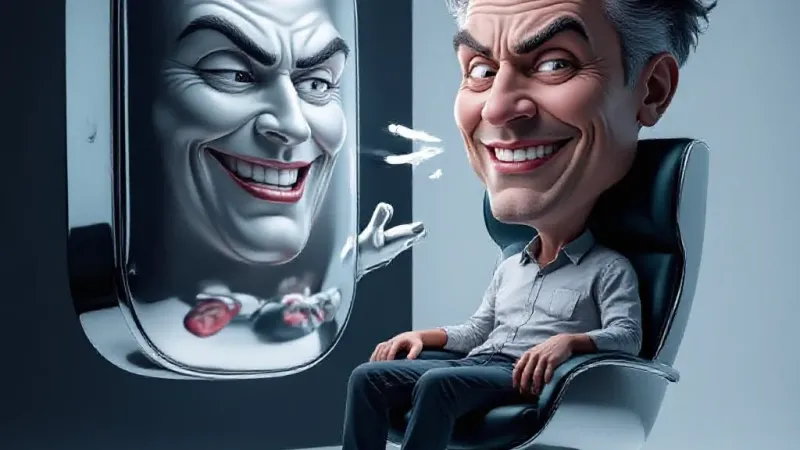
STOCKHOLM – Following the recent announcement of the 2026 Nobel Prize in Physiology or Medicine for pioneering optogenetics—the revolutionary technique using light to control brain cells—several leading dating apps have already integrated the technology to offer users instantaneous memory erasure for unsatisfactory first dates. Developers tout the feature as a game-changer for digital romance, promising an end to emotional baggage and an endless supply of "fresh starts."
"We realized our users weren't just looking for love; they were looking for an efficient way to forget the horror of meeting a stranger who lied about their height and had an uncomfortably detailed monologue about their cryptocurrency portfolio," stated Skip Hawthorne, CEO of SwipeRight, a premier dating platform. "Thanks to Dr. Lin and Dr. Chen's genius, we can now offer 'Opti-Forget™,' a premium feature that uses a gentle, targeted light pulse to precisely deactivate the neural pathways associated with that excruciating two-hour ordeal at the bistro. It's like it never happened." Hawthorne emphasized that the 200-nanosecond light burst is completely non-invasive, delivered via a patented "mood-recalibration headset" available for a monthly subscription of $39.99.
The technology, which was initially celebrated for its potential in restoring vision and treating severe neurological conditions, has been rapidly repurposed by the tech industry to address what they call "emotional drag." Dr. Evelyn Reed, a leading "neuro-wellness influencer" and author of 'Your Brain, Their Algorithm: A User's Guide to Digital Bliss,' hailed the move. "Forgetting a terrible date is not just about moving on; it’s about optimizing cognitive load for future romantic endeavors. Why waste precious neural real estate on a memory that doesn't serve your ultimate goal of finding someone who will tolerate you?" Dr. Reed explained, noting that early trials showed a 300% increase in second-date acceptance rates among users who actively 'Opti-Forgot' their previous misadventures.
Critics, primarily confined to dimly lit academic corners, raised concerns about the ethical implications of commercially available memory modification. However, these concerns were quickly dismissed by tech evangelists who pointed to the overwhelming user enthusiasm. "People aren't asking for introspection; they're asking for results," Hawthorne countered. "Our data shows users prefer a clean slate over 'learning from their mistakes'—a concept that, frankly, hasn't been proven to correlate with increased app engagement." The company is already exploring "Opti-Forget™ Plus" to erase regrettable financial decisions and "Opti-Forget™ Pro" for erasing memories of previous employers.
In a related development, the Nobel Committee is reportedly considering an additional prize for the fastest commercialization of a scientific breakthrough into something nobody actually needed but everyone will pay for.