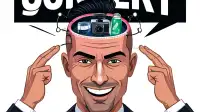
NEW YORK – Bumble, the dating app long celebrated for its bold female-first initiative, has unveiled its latest foray into digital romance ethics: a multi-figure partnership with reality TV personality Paige DeSorbo. Her mission? To educate Gen Z and Millennial daters on the grave sin of using AI for flirting, while simultaneously teaching them what "authentic" connection truly means on Bumble's platform. The highly anticipated "Bee Line" social-first series promises to distill the essence of genuine human interaction, provided, of course, that interaction remains firmly within Bumble’s monetized ecosystem.
DeSorbo, a former star of Bravo’s Summer House and a connoisseur of carefully crafted influencer moments, is reportedly receiving a quarter-million dollars for her expertise. Her role positions her as a crucial arbiter of online sincerity, guiding users away from AI-generated conversation starters — which Bumble states are "inauthentic" — toward human-crafted banter. "We believe true connection sparks from raw, unedited vulnerability," stated a Bumble spokesperson, carefully avoiding specifics on whether that 'vulnerability' should be AI-assisted or merely influencer-approved. "Our research shows daters crave realness, not algorithms. And frankly, we’d prefer our users’ data to be their own, not a large language model's, for obvious proprietary reasons."
The irony of an influencer, whose entire brand is built on meticulously curated reality narratives and sponsored content, counseling the masses on "authenticity" was not lost on critics. DeSorbo’s curated insights, delivered across social media platforms, will dissect the perils of automated charm, pushing daters to dig deep and find their own words – or at least, the kind of words a highly paid brand ambassador might suggest. "It’s about showing who you really are," DeSorbo explained in a promotional clip, eyes gleaming with the unfiltered genuineness of a sponsored post. "Not some bot. Unless, of course, that bot is us, guiding you to love through a series of carefully branded content."
This initiative, critics suggest, reveals the true frontier of late-stage capitalism: the explicit commodification of human connection itself. With dating apps now not just facilitating matches but also dictating the very terms of authenticity and the acceptable tools for interaction, users are left to wonder if their "true selves" are only valid when processed through a corporate filter. One "dating expert" — who requested anonymity after realizing the absurdity of his own profession — noted, "It's like paying someone to teach you how to organically grow a garden, then selling you pre-packaged soil and seeds under a strict licensing agreement. You're 'authentic,' but only on their terms."
The ultimate irony, observers say, is a multi-million-dollar industry defining "real" in a world where every interaction, every piece of advice, and every curated persona is increasingly mediated and, more often than not, paid for. Bumble's "Bee Line" is less about finding your soulmate and more about ensuring your soulmate search generates optimal engagement metrics and, crucially, keeps you paying for premium features.
So go ahead, tell your date you "love their vibes" — just make sure that bland, unoriginal compliment came from your own head, and not an AI that could have at least made it interesting.