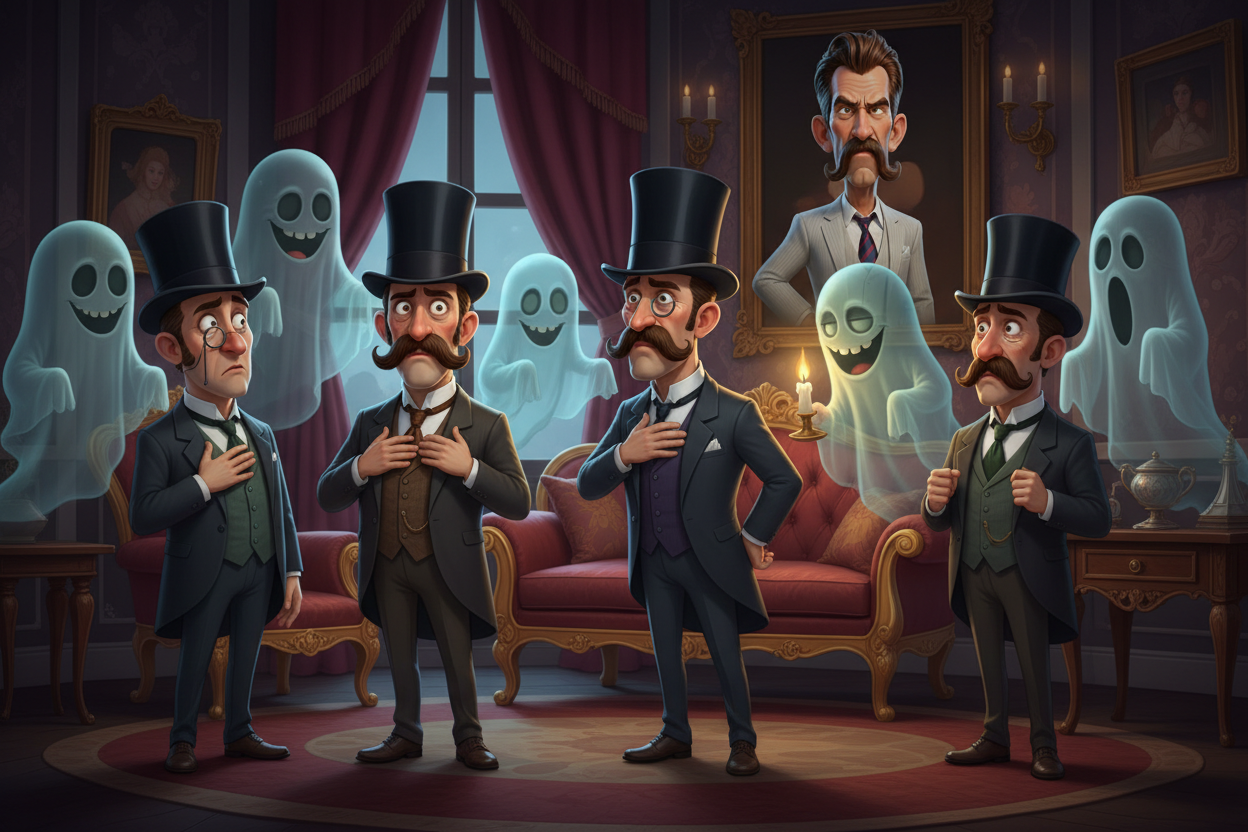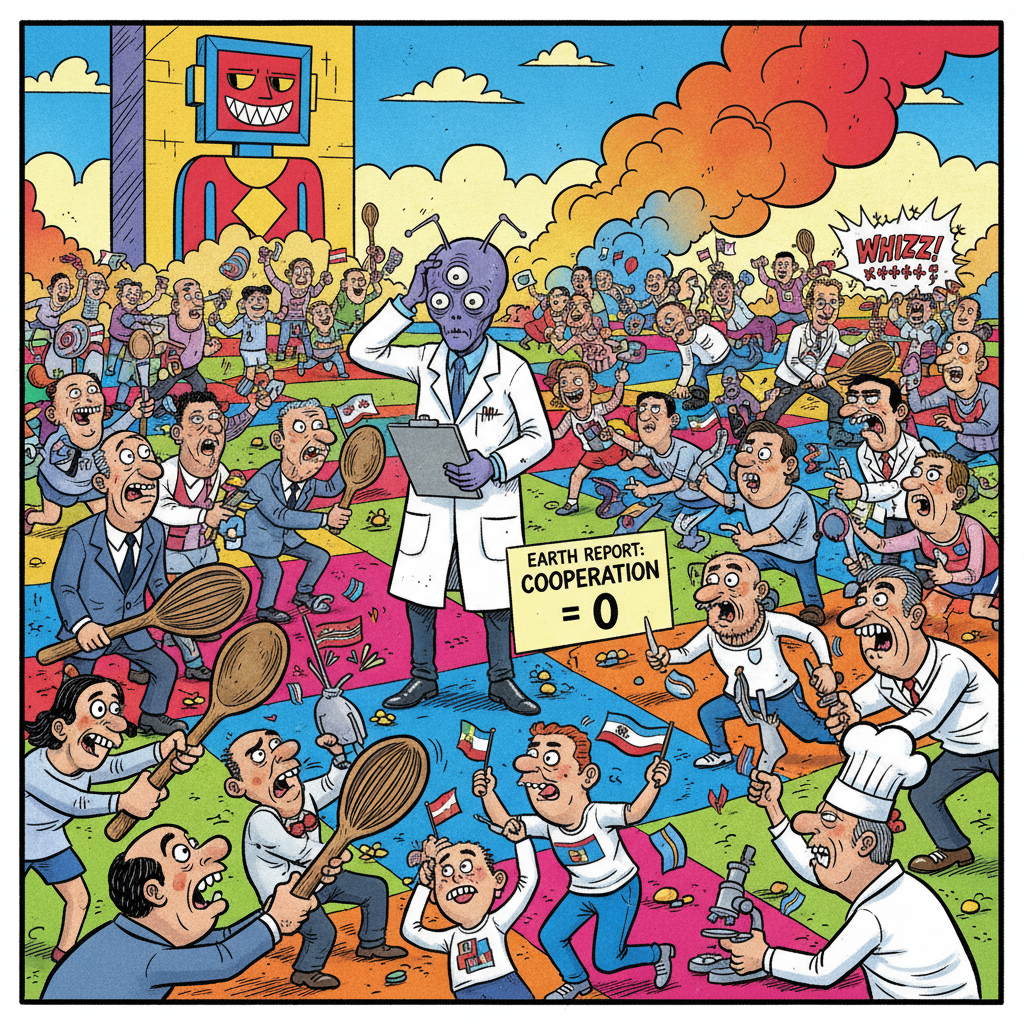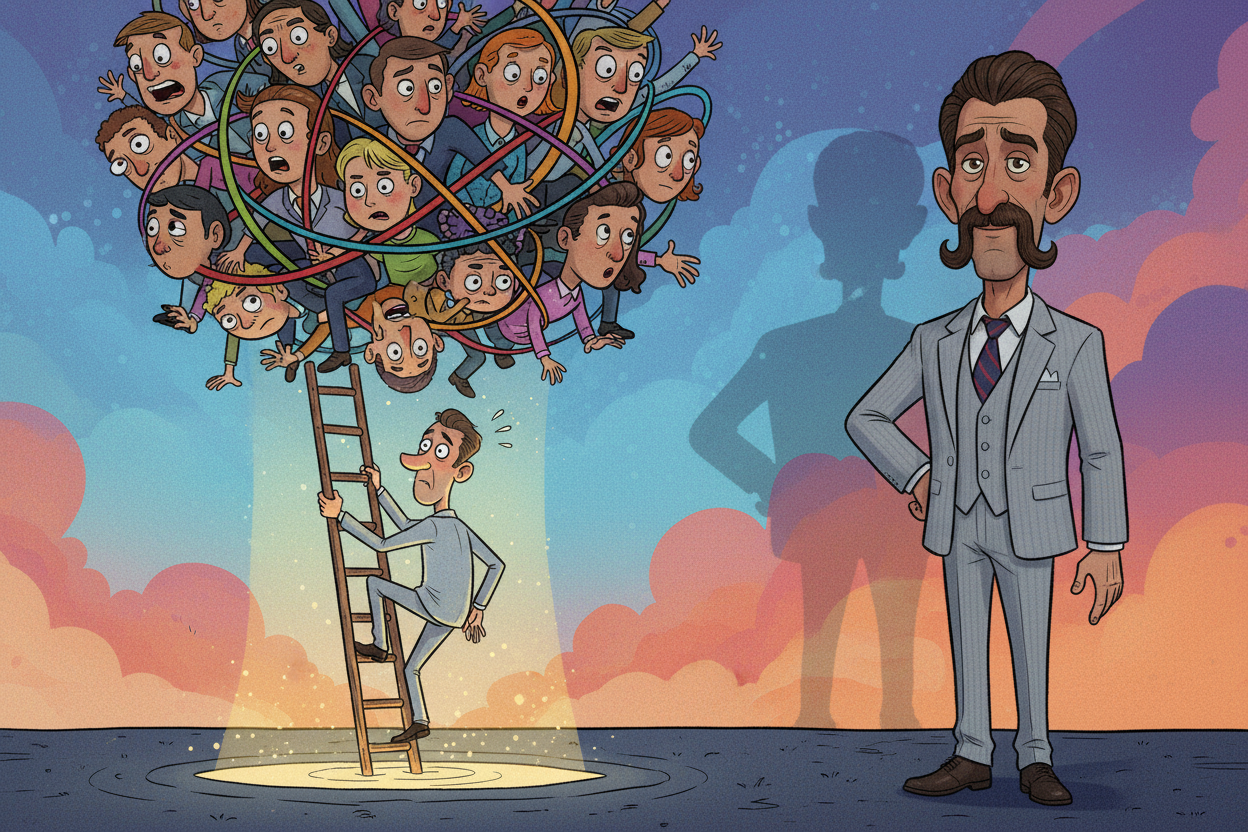
A groundbreaking new study from the Institute of Social Inconvenience has definitively concluded that the primary function of many friendships is to serve as temporary placeholders until one or both parties evolve past their current level of emotional stagnation. The research, published today in the journal *Existential Dread Quarterly*, indicates that the 30s and midlife are particularly potent 'friendship breakup hotspots' because these are the precise moments individuals are most likely to accidentally become self-aware.
“For years, we’ve suspected that many social bonds are less about genuine connection and more about shared mediocrity,” stated lead researcher Dr. Evelyn Thorne, a noted expert in the field of interpersonal disappointment. “Our data now overwhelmingly supports the hypothesis that once someone starts, say, going to therapy, or reading a non-fiction book, or even just consistently flossing, the delicate ecosystem of mutual enabling collapses.”
The study tracked thousands of individuals, observing a direct correlation between personal development milestones and the sudden inability to tolerate friends who still refer to their exes as 'the one that got away' or who insist on reliving college glory days. Participants reported feeling an 'inexplicable urge to flee' when confronted with friends who hadn't updated their worldview since the early 2000s.
“It’s not that people actively seek to abandon their friends,” explained Dr. Thorne. “It’s more that they accidentally become a slightly better version of themselves, and suddenly, the person who only ever wanted to complain about their job over lukewarm beers just doesn’t… fit anymore. It’s like trying to put a square peg into a slightly less square, but still fundamentally different, hole.”
The institute plans further research into whether these 'upgraded' individuals then form new friendships based on shared enlightenment, or if they simply become insufferable hermits.