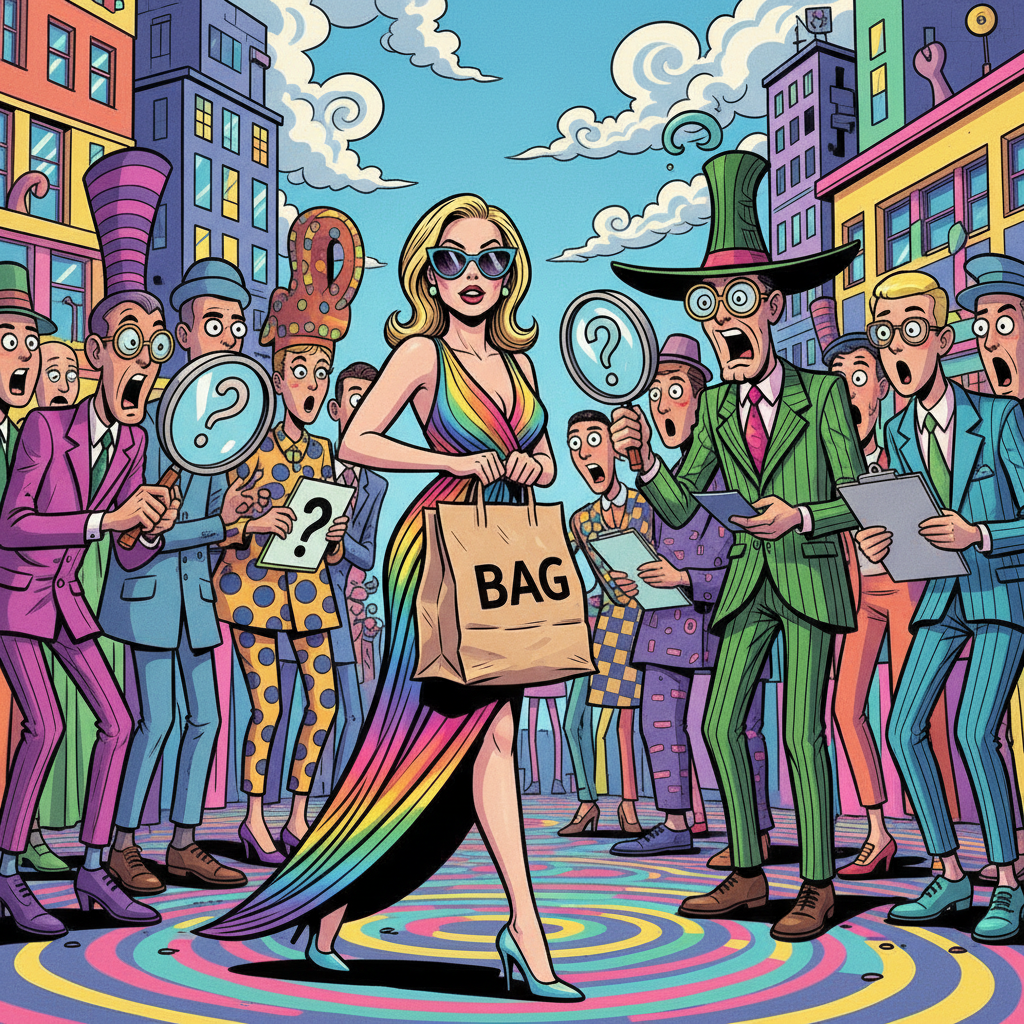
A groundbreaking new study published by the Institute for Consumer Aspiration has definitively concluded that the popular trend of achieving a 'bougie' aesthetic 'without breaking the bank' primarily results in households accumulating a larger volume of mid-range consumer goods. The report, titled 'The Illusion of Affluent Affordability,' analyzed purchasing habits and self-reported satisfaction among individuals attempting to elevate their home decor on a limited budget.
'Our findings indicate a direct correlation between the desire for 'bougie on a budget' and the acquisition of approximately 30-50 decorative items from online retailers, often described as 'curated' or 'statement pieces,'' explained Dr. Evelyn Finch, lead researcher. 'While participants initially reported feelings of elevated status, this was frequently followed by a realization that their living spaces now simply contained more things, rather than fewer, more expensive things.'
The study noted that the perceived 'bougieness' often dissipated within weeks, replaced by a vague sense of clutter and the need for new, equally affordable 'refreshes.' One participant, who requested anonymity but identified as 'a connoisseur of faux marble,' admitted, 'I thought I was building a sanctuary, but it turns out I just built a Wayfair warehouse in my living room.'
Experts suggest the phenomenon is driven by marketing that conflates accessibility with exclusivity, leading consumers to believe that enough inexpensive items can somehow transmute into true luxury, rather than just a very full shopping cart.