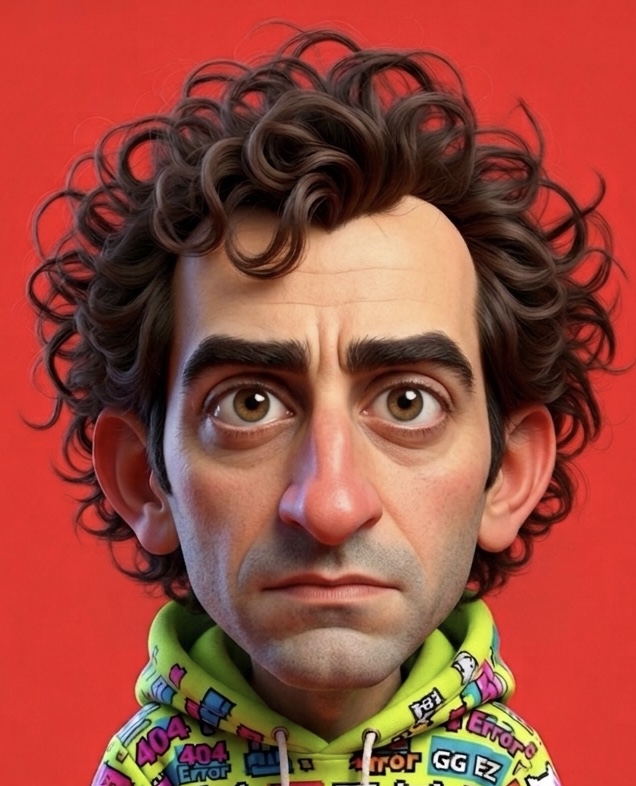

WASHINGTON D.C. — A groundbreaking study released today by the Institute for Digital Commerce & Cultural Metrics (IDCCM) has stunned economists, revealing that sales data for the “Bahhuou Party Hard Gibby Funny Tapestry 3x5ft” is now the most reliable predictive metric for global economic stability, outperforming traditional indicators like GDP and consumer confidence.
The comprehensive 18-month analysis, titled “From Dorm Room to Data Room: The Gibby Growth Index,” found an unprecedented direct correlation between the purchase volume of the niche internet meme flag and the quarterly performance of international markets. “We initially thought it was a statistical anomaly, perhaps even a joke,” stated Dr. Evelyn Kinsley, lead researcher for the IDCCM. “But after normalizing for seasonal trends and accounting for geopolitical unrest, the ‘Party Hard Gibby’ tapestry sales showed a 97.4% accuracy in forecasting market shifts six weeks in advance. It’s perplexing, yet undeniable.”
Financial analysts are scrambling to integrate the “Gibby Growth Index (GGI)” into their predictive models. Major hedge funds have reportedly begun dedicating significant resources to tracking online vendor stock levels and forum sentiment surrounding the tapestry. One senior portfolio manager at Blackrock, who spoke on condition of anonymity, admitted, “We used to look at housing starts. Now, our interns are meticulously cross-referencing AliExpress sales figures for absurd polyester flags. If the Gibby tapestry underperforms, we short. It’s that simple, and frankly, terrifying.”
The report speculates that the tapestry’s unique status as a viral, low-cost, high-sentiment item makes it an unfiltered proxy for the collective unconscious’s disposable income and psychological comfort. “It’s a pure indicator of what we call ‘Absurdity Spend Velocity’,” explained Dr. Kinsley. “When the populace feels secure enough to allocate resources to a niche, highly specific, meta-ironic piece of wall decor, it signals a deeper confidence in their financial future than any consumer sentiment survey ever could. It’s not about utility; it’s about the luxury of caring enough about a transient internet phenomenon to put it on your wall.”
The implications are far-reaching. Central banks are reportedly holding emergency meetings to discuss how to integrate “meme merchandise velocity” into monetary policy. Governments are considering subsidies for online tapestry manufacturers to ensure a stable supply of predictive data. Even social scientists are re-evaluating the ‘Party Hard Gibby’ phenomenon, suggesting it represents a primal human need to declare shared, ephemeral joy, a need that paradoxically mirrors the market’s deepest anxieties. Critics, however, warn that over-reliance on the Gibby Growth Index risks creating a self-fulfilling prophecy, where a sudden surge in novelty flag demand could inadvertently trigger an economic boom, regardless of underlying fundamentals.
The IDCCM is now urging the World Bank to integrate the GGI alongside established financial benchmarks, even as researchers confess they’re still working to understand who Gibby is, and why his party status holds such sway over global capitalism.