WASHINGTON D.C. – A groundbreaking new study published by the Institute for Advanced Cognitive Remediation (IACR) has revealed that the human brain can no longer perform fundamental tasks like reading a book without a structured, neuroscience-approved intervention. The findings suggest that the average person's ability to sustain focus has atrophied to the point where casual engagement with complex information is now a luxury requiring professional guidance.
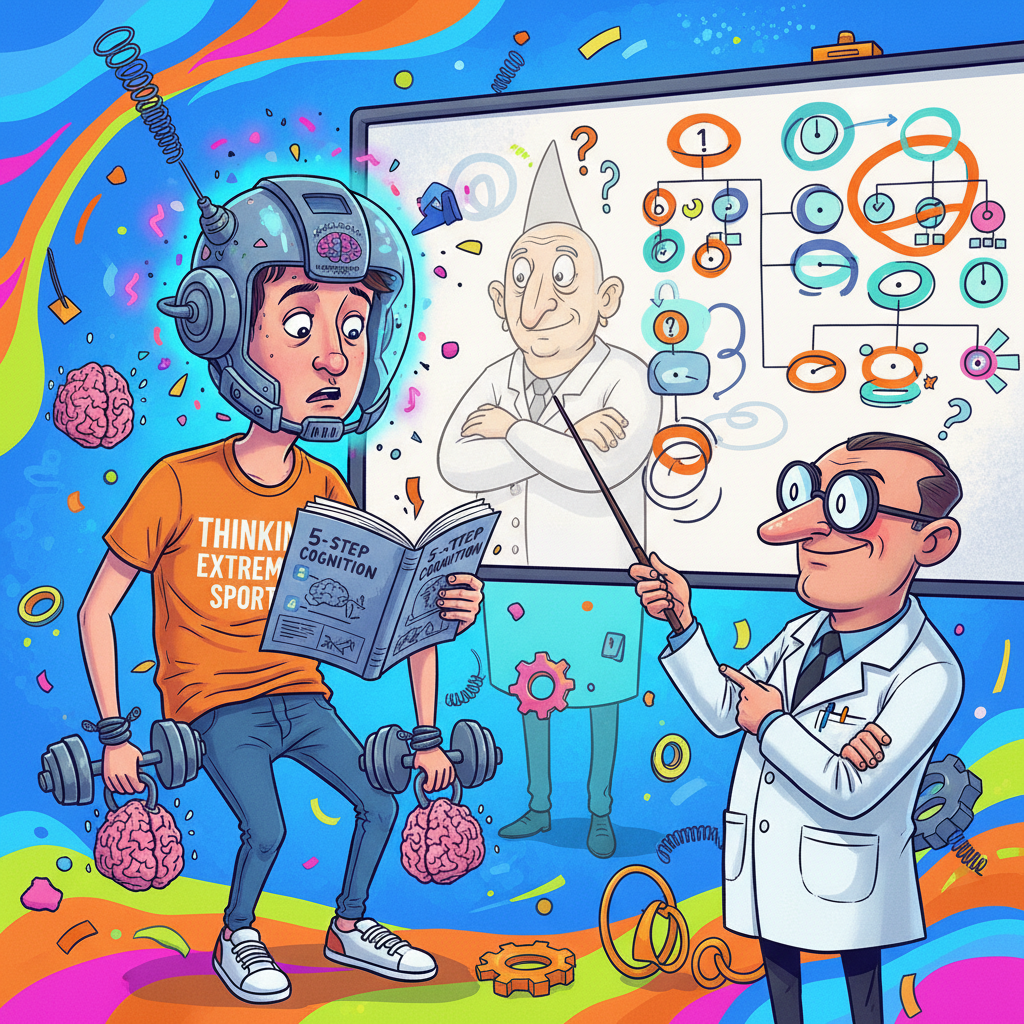
“We’ve observed a dramatic decline in what we call 'unassisted thought,'” stated Dr. Evelyn Reed, lead researcher for the IACR. “People are effectively trying to run a marathon without ever having learned to walk. Our five-step program, which includes techniques like 'looking at the page' and 'not checking your phone every three minutes,' is designed to reintroduce these lost arts.”
Critics argue the program is merely repackaging common sense for a generation whose attention spans have been surgically removed by algorithms. However, Dr. Reed insists the science is sound. “It’s not just about willpower anymore,” she explained. “We’re talking about rewiring neural pathways. You can’t just *decide* to read a novel; you need to strategically deploy micro-breaks and perhaps a proprietary 'focus-enhancing' aroma diffuser.”
Enrollment in the IACR’s 'Cognitive Re-Engagement Therapy' is reportedly surging, with waitlists extending into late 2025. Participants are hopeful that, with enough dedication and a significant financial investment, they might one day be able to finish a paragraph without instinctively opening TikTok.