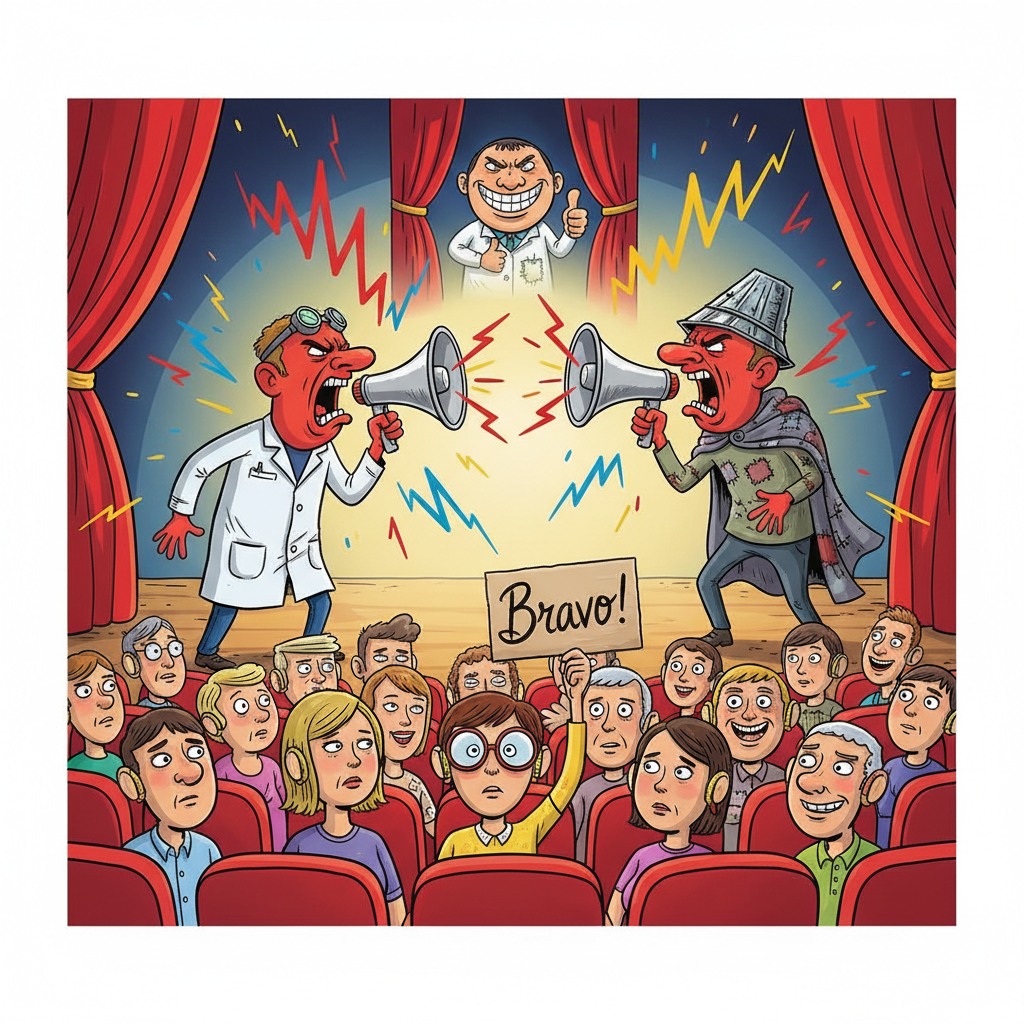
PALM BEACH, FL – Wealth management experts are reporting a surge in inquiries from parents struggling to fairly distribute their multi-million dollar estates when one heir has, shall we say, 'alternative investment strategies.' The dilemma, often framed as 'how do we divide $13.5 million among three children when one is a drain on resources?' is reportedly keeping a significant portion of the one percent awake at night.
“It’s not about the money, it’s about the principle,” explained Mrs. Babsy Worthington-Smythe, a fictional matriarch from a recent case study, whose family amassed its fortune through 'disruptive innovations in artisanal bespoke artisanal goods.' “We worked hard for this. Our children should appreciate the value of a dollar, even if that dollar is being used to fund a lifestyle that actively diminishes their future inheritance.”
Financial advisors are now exploring novel solutions, including 'addiction-adjusted trusts' and 'rehabilitation-contingent annuities.' “The goal is to incentivize sobriety, or at the very least, efficient addiction,” stated Prescott Sterling, a partner at Sterling & Sterling Wealth Management. “Perhaps a trust that releases funds upon proof of gainful employment, or, failing that, a detailed expense report demonstrating cost-effective substance acquisition.”
Critics argue this approach commodifies personal tragedy. However, proponents insist it's merely a pragmatic evolution of wealth transfer. “We’re just trying to find a way to ensure our children’s poor choices don’t completely unravel the delicate tapestry of our generational wealth,” Mrs. Worthington-Smythe added, before excusing herself to approve the final design for her new yacht, 'The Serenity Now.'