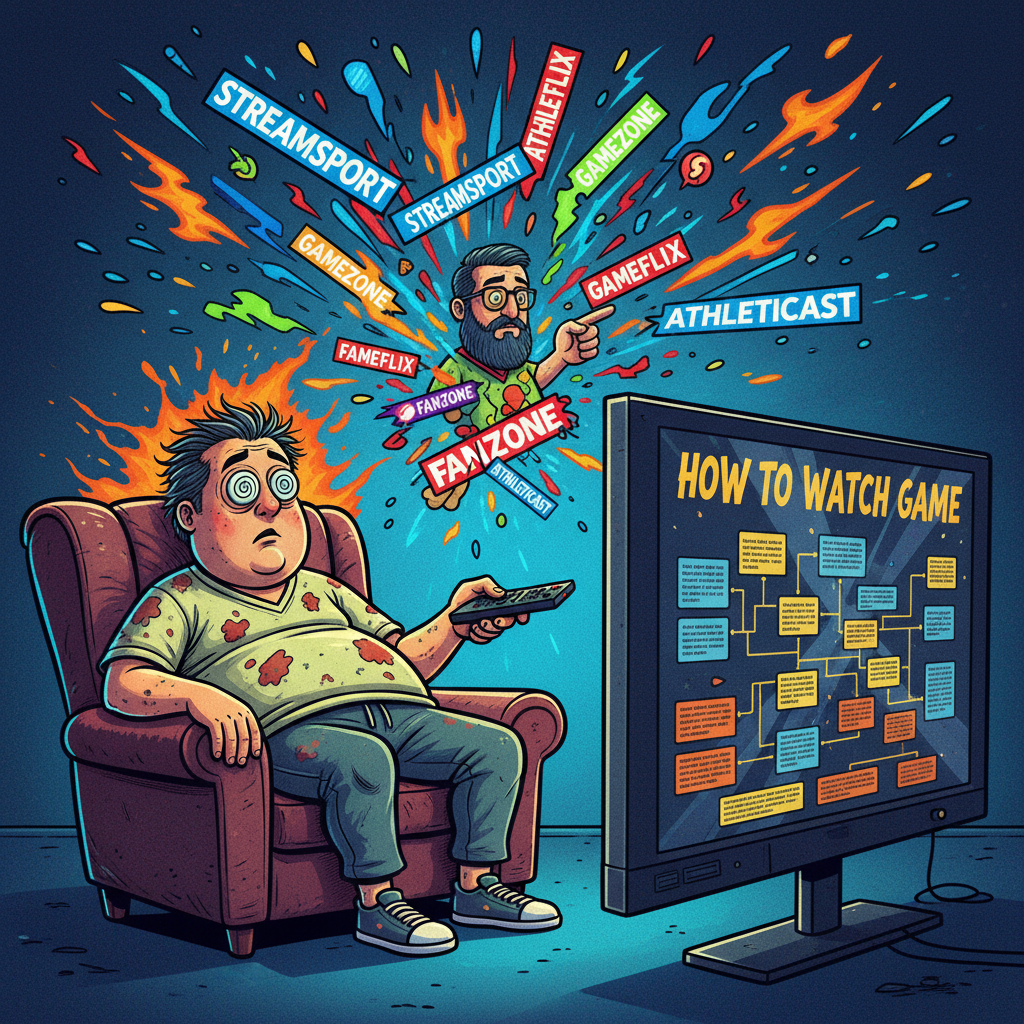
WASHINGTON D.C. — A recent surge in online guides detailing how to access live sports events has prompted concerns that the average American sports fan may be losing the ability to independently locate a television broadcast. Publications, once bastions of investigative journalism, are now dedicating significant resources to articles like 'How to Watch [Team A] vs. [Team B]: Your Comprehensive Guide to Not Missing Out.'
“It’s truly baffling,” stated Dr. Evelyn Reed, a media consumption sociologist at the University of Central Florida. “We’ve gone from ‘Is it on Channel 5 or 7?’ to ‘Do I need a VPN, three separate subscriptions, and a blood sacrifice to see LeBron dunk?’ The answer, increasingly, is yes to at least two of those.”
Industry analysts suggest the phenomenon stems from the fragmented media landscape, where content is scattered across a dizzying array of cable packages, streaming platforms, and obscure regional sports networks. “We’ve made it so complicated that finding a game is now an Olympic sport in itself,” commented Brandon 'B-Money' Miller, a self-proclaimed 'content aggregator' who charges $49.99 for personalized viewing schedules. “My clients just want to watch the damn game without feeling like they’re hacking the Pentagon.”
Local sports bar owner, Frank 'The Tank' Kowalski, reports a noticeable increase in patrons asking him to 'put on the game' rather than attempting to navigate their own home entertainment systems. “They just stare at their remotes like it’s an alien artifact,” Kowalski sighed, wiping down his bar. “Soon I’ll have to start offering classes on how to turn on a TV.”