NEW YORK — An unexpected 10-inning struggle between the Pittsburgh Pirates and the New York Mets on Sunday has sent shockwaves through the nation’s already precariously balanced collective attention span, leading to what some analysts are calling a “Class 3 Distraction Event.” The game, decided by a late-game single from Ryan O’Hearn, extended well past its projected runtime, causing widespread cognitive fatigue and forcing millions to confront the limits of their ability to maintain focus on a single, non-catastrophic event.
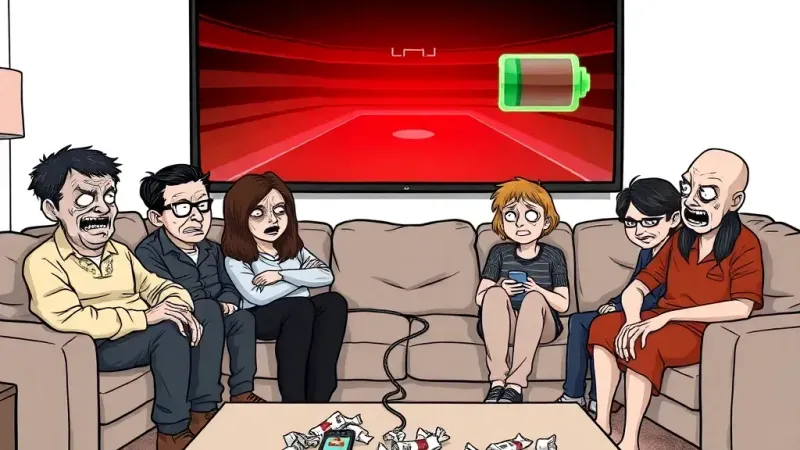
Preliminary data from the National Bureau of Factual Boredom (NBFB) indicates that the average American’s attention budget for a Sunday afternoon 2 broadcast was exceeded by an estimated 27.4% during the prolonged matchup. “We saw a sharp uptick in ‘doomscrolling’ activity on secondary devices around the top of the eighth inning,” reported Dr. Anya Sharma, lead data analyst for NBFB. “People started cycling through TikTok, refreshing political 2, and even attempting to learn a new language, all while ostensibly watching the same game. It’s like their brains were actively trying to escape.” The NBFB projects a 0.3% dip in Monday morning productivity directly attributable to residual mental exhaustion from the game’s extended duration.
Cultural psychologists are now wrestling with the implications of such a widespread lapse in focus. “For a game with no significant playoff implications and two teams occupying the lower echelons of their division, the sheer cognitive load placed upon the average viewer was unprecedented,” stated Dr. Kenneth Finch, a professor of Societal Engagement at Parnassus University. “We’ve spent decades conditioning ourselves for instant gratification and micro-content. Asking an entire populace to dedicate an additional 45 minutes of sustained, low-stakes attention on a sunny afternoon is, frankly, irresponsible. The truth is, most people simply don't care that much, but society demands they pretend they do.”
The Department of Digital Wellness has announced a task force to explore “attention span resilience strategies,” including potential public service announcements recommending mid-game ‘micro-breaks’ or even government-mandated commercial lengths for any game extending beyond the eighth inning. Broadcasters are also under pressure to develop algorithms that can dynamically insert more emotionally charged, high-stakes narratives into routine plays to help maintain viewer engagement.
While the Pirates celebrated a hard-fought victory, the real cost of their extended performance is still being tallied by a nation collectively wondering how many more innings their brains can handle before they simply start staring blankly at a wall.
Hambry is a satire publication. All articles are works of fiction.