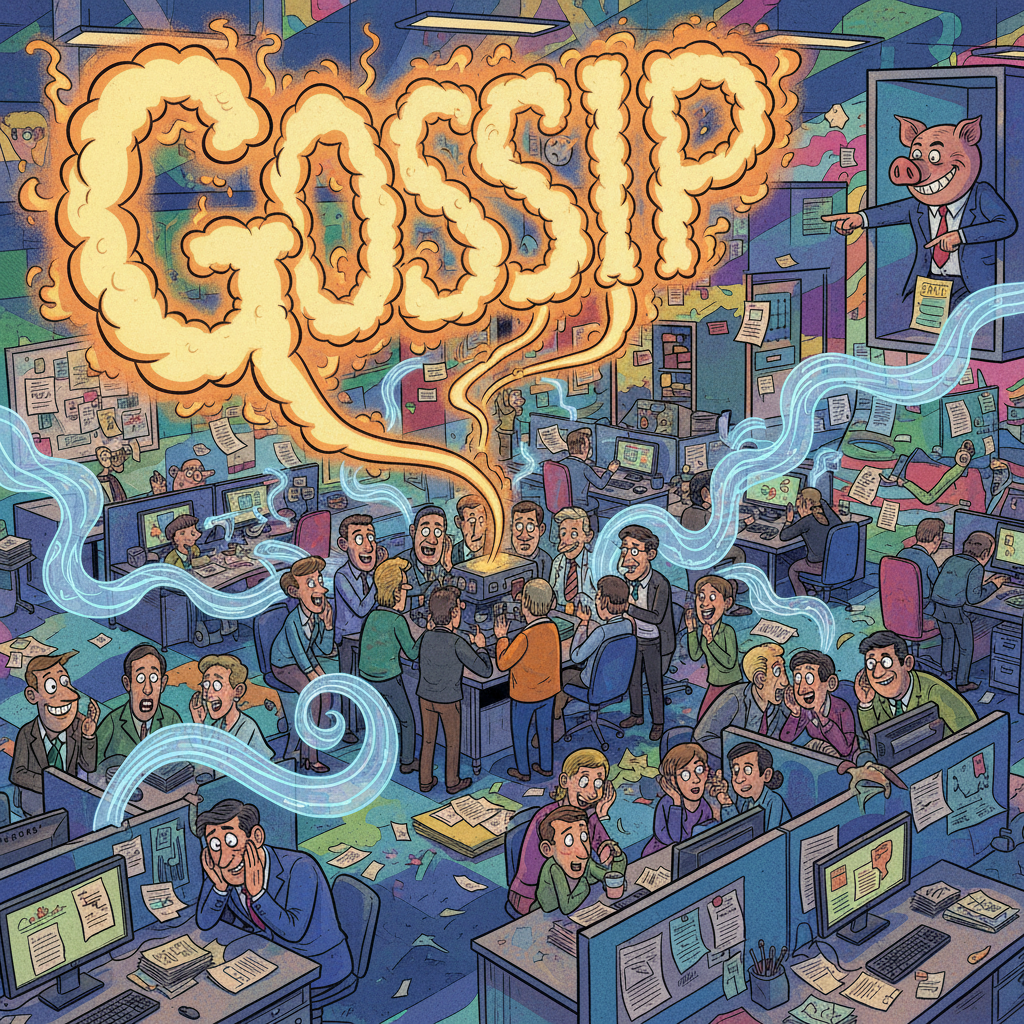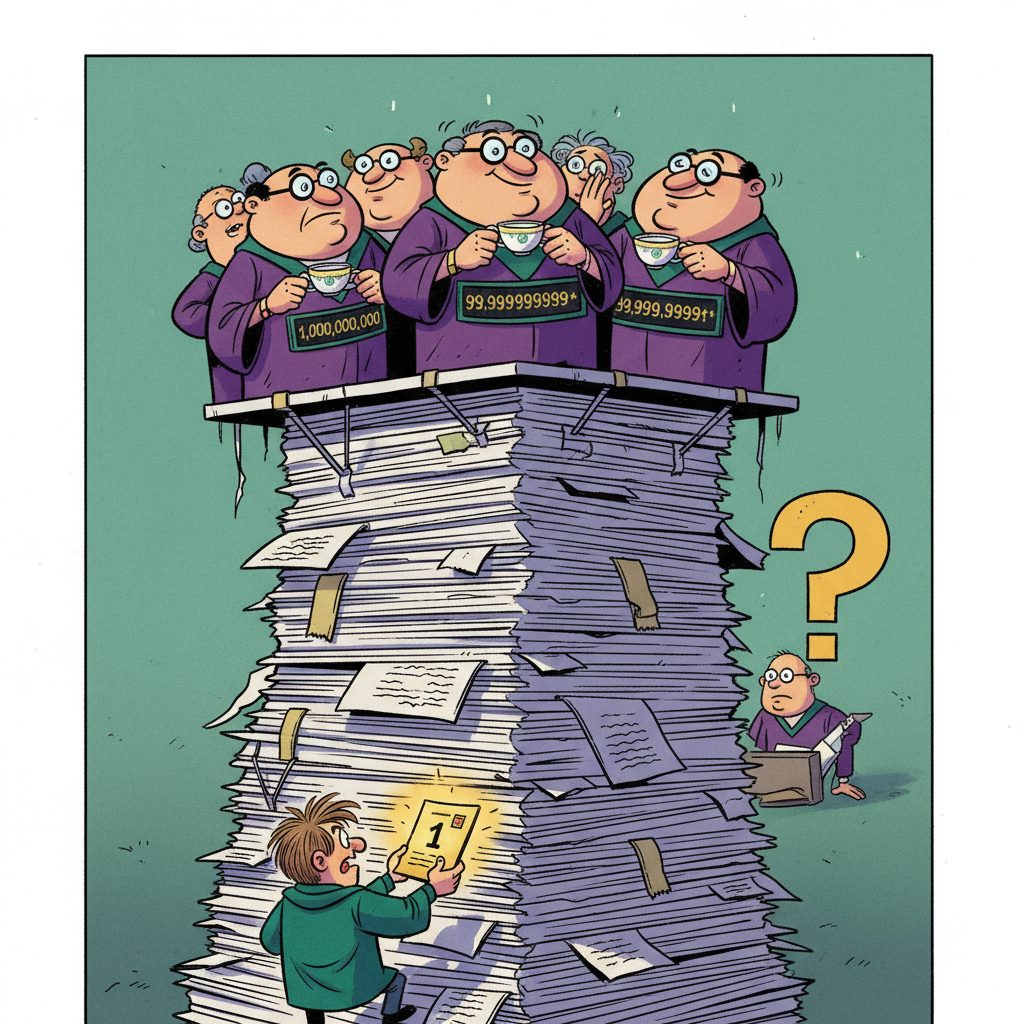
NEW HAVEN, CT — Two of the world’s most highly cited researchers have bravely come forward to admit that a significant portion of their impressive citation counts are likely just professional courtesy or, in some cases, outright pity. The admission came during a recent university press conference intended to celebrate their groundbreaking work.
Dr. Eleanor Vance, a distinguished professor of theoretical horticulture, confessed, “Honestly, half the time, it’s just Dr. Jenkins citing me because I cited him last month. It’s a delicate ecosystem of mutual back-patting. The other half is probably students who just copied the bibliography from a review paper.” Her colleague, Dr. Marcus Thorne, a leading expert in advanced dairy economics, nodded in agreement, adding, “I’ve seen my work cited in papers completely unrelated to my field. I suspect it’s either a desperate attempt to boost a reference list or a very sophisticated form of academic trolling.”
The duo’s candid remarks have prompted a re-evaluation of the entire academic citation metric system. Universities are reportedly scrambling to develop new, more accurate methods of gauging scholarly impact, potentially involving a “genuine interest” score or a “did you actually read it?” questionnaire.
“This changes everything,” stated Dr. Brenda Chen, head of the Global Academic Metrics Institute, who was visibly distraught. “We always assumed these numbers represented profound intellectual influence, not just a complex game of scholarly tag.”
Experts now warn that countless careers, tenure decisions, and grant applications may have been built on a foundation of polite nods and reciprocal footnotes.