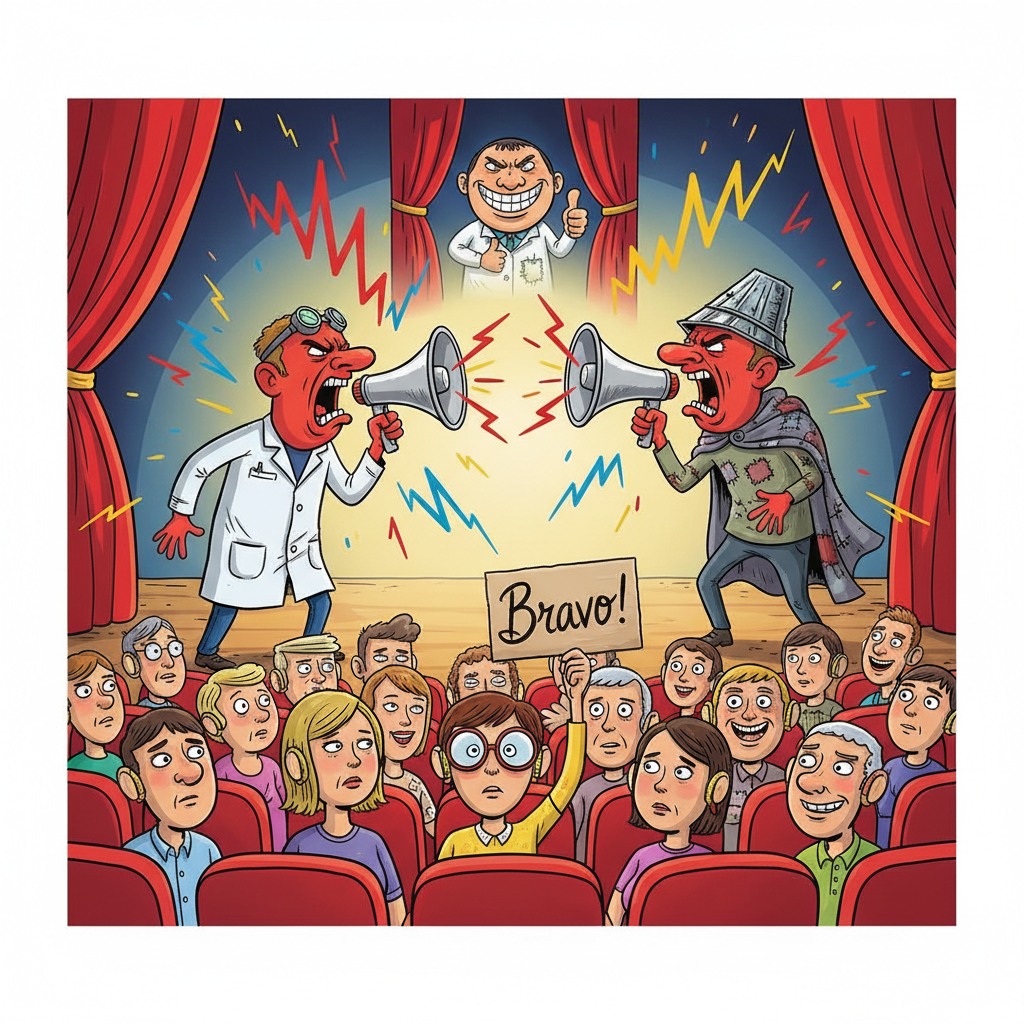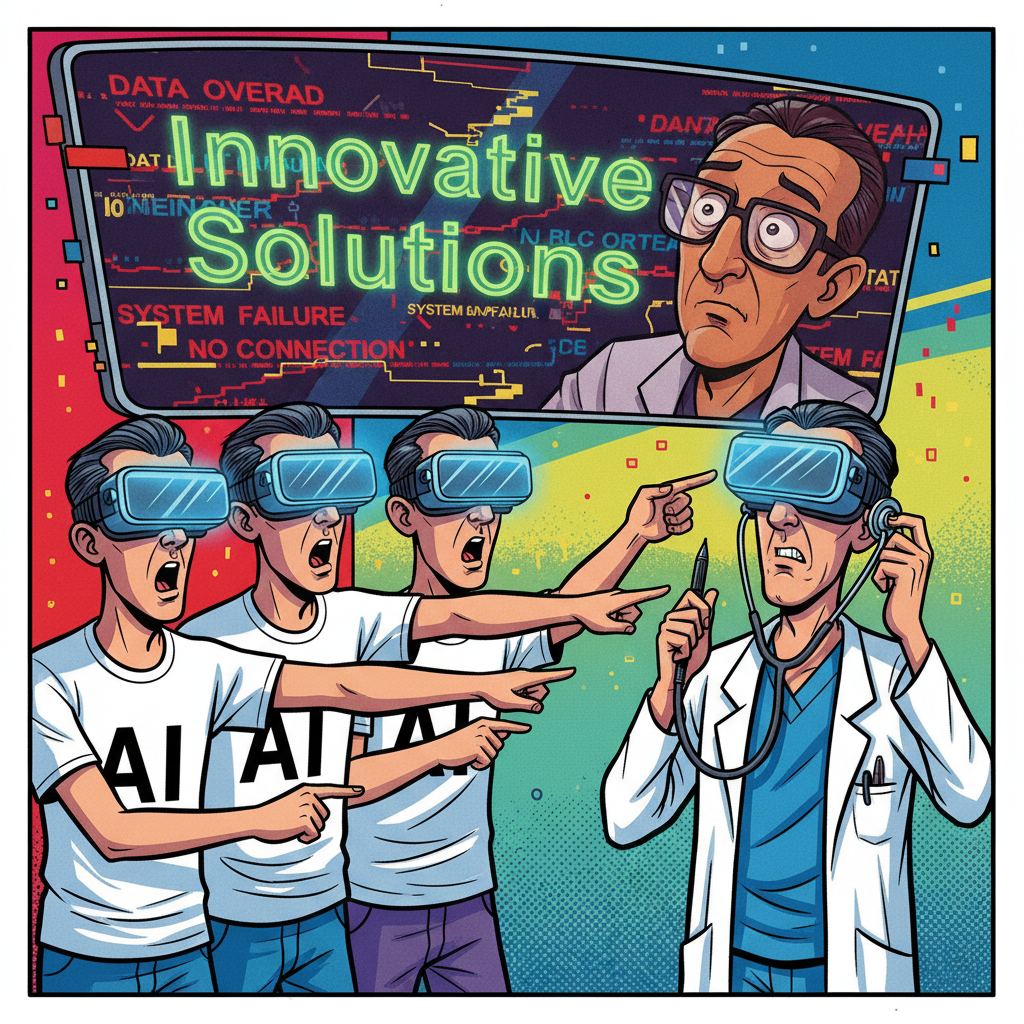
SILICON VALLEY — In a stunning revelation that has sent shockwaves through the healthcare technology sector, a recent internal memo from the "Synergy & Innovation Council for Digital Health Solutions" has confirmed that medical professionals tend to favor digital tools that are intuitive, reliable, and do not actively impede patient care.
“We always assumed that doctors, nurses, and other clinicians were just naturally adverse to change, or perhaps enjoyed the challenge of navigating six different login screens to prescribe an ibuprofen,” stated Dr. Evelyn Thorne, a Senior Vice President of User Experience at OmniHealth Solutions, speaking anonymously. “It turns out they simply want technology that, and I quote from one particularly blunt survey response, ‘doesn’t make me want to throw my computer out a window.’”
The memo, leaked to Hambry, outlined a radical new strategy: developing software that integrates seamlessly, reduces administrative burden, and potentially even saves time. This marks a significant departure from previous industry standards, which often prioritized flashy features, proprietary data silos, and maximizing billable training hours.
“Our initial hypothesis was that clinicians valued novelty above all else,” explained Thorne. “We’ve spent billions on AI-powered predictive analytics for things like ‘which patient is most likely to complain about the hospital food,’ only to find out they’d prefer a system that just lets them see a patient’s full medical history without a 15-minute load time.”
Industry analysts are now scrambling to understand this unprecedented shift, with some suggesting it could lead to a future where healthcare technology actually improves healthcare. The report concluded that the path to clinician trust might involve less buzzword bingo and more functional software that doesn't require a dedicated IT support team standing by for every minor update.