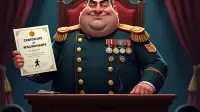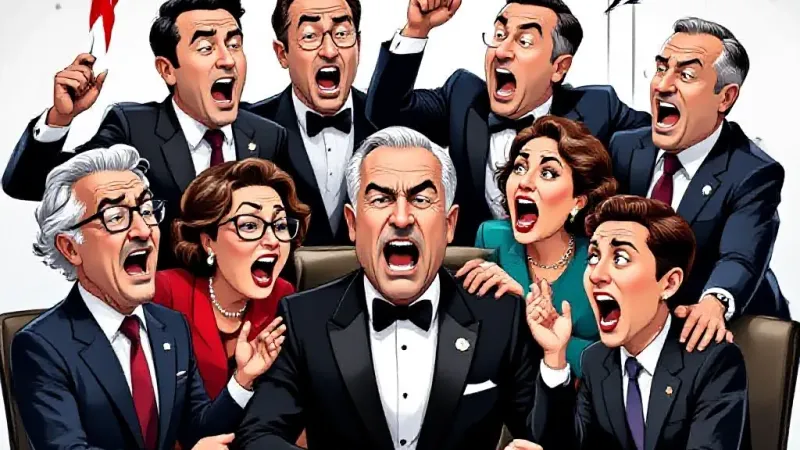
WASHINGTON D.C. — The much-anticipated G20 "family photo," a tradition designed to project an image of global solidarity, was abruptly canceled this week after numerous nations, including Australia, the UK, and Canada, flatly refused to share a frame with Russian Foreign Minister Sergei Lavrov. The decision, reportedly spearheaded by US Secretary of State Marco Rubio, starkly illustrated the bewildering tightrope walk of modern international diplomacy: it is apparently perfectly acceptable to sit for hours discussing global crises with hostile powers, but smiling for a group picture constitutes an unforgivable endorsement.
Sources within the State Department, speaking on condition of extreme anonymity while wiping crumbs from a diplomatic reception napkin, confirmed the cancellation stemmed less from a sudden surge of moral courage and more from a panicked assessment of impending social media fallout. "Look, we’re all adults here," explained one veteran aide, adjusting a lapel pin depicting a dove holding a tiny, broken olive branch. "We can pretend to listen to Lavrov drone on about NATO expansion for six hours. We can even shake his hand if absolutely necessary. But put that handshake next to a selfie-ready smile in a photo that will immediately become a GIF? That’s brand suicide. The internet never forgets an awkward grin next to a guy who’s actively shelling a kindergarten." The "family" in "family photo" has apparently devolved into the kind of family where half the members are just waiting for the other half to finish their inheritance fraud.
A prominent European delegate, who insisted on being identified only as "a person who has seen things," confided while discreetly pocketing a complimentary mini-soap, "There's a subtle but crucial distinction. We are here to engage in the tedious, soul-crushing work of diplomacy, which sometimes involves being in the same physical space as unspeakable human rights abusers. That’s the job. But we are absolutely not here to provide content for their regime's PR department, or to give the impression that everything is 'fine.' A photo implies camaraderie. It suggests a shared purpose. We are not sharing a purpose. We are sharing the same recycled air, reluctantly."
To navigate this delicate dance of visible disdain versus necessary engagement, delegates reportedly settled on a compromise that upholds both the illusion of cooperation and the imperative to look morally superior. Each minister will now be individually photographed against a neutral backdrop. These separate images will then be submitted to a specially commissioned "Global Harmony AI" program, which will digitally composite them into a single, perfectly balanced group shot. This advanced algorithm will also subtly adjust facial expressions, ensuring everyone projects an appropriate level of "concerned yet hopeful" diplomacy, while also having the option to digitally erase any problematic individuals entirely if future events warrant it.
The incident serves as a stark reminder that in 21st-century geopolitics, the biggest diplomatic insult isn't invasion or annexation; it’s being forced to update your LinkedIn profile picture with someone who makes you look like you endorse actual atrocities.