2, CA — In a bold move signaling a new era for horror cinema, the upcoming remake of the notorious 1978 film “Faces of Death” is deliberately sidestepping any reliance on actual, verifiable footage of human suffering. Producers announced this week their commitment to achieving peak visceral terror through entirely simulated events, ensuring the film remains a carefully curated artistic experience rather than a grim catalog of reality.
“In an age where genuine, unedited acts of human depravity are algorithmically optimized for our feeds 24/7, the true artistic challenge lies in crafting artificiality so compelling that it momentarily rivals the real thing,” explained Brenda Carmichael, head of content acquisition for Monarch Studios. “Our extensive proprietary research indicates audiences are now paradoxically more disturbed by expertly faked trauma than by footage that could actually be sourced from any given Tuesday on the dark web. The bar for ‘shocking’ has been raised beyond the realm of reality; it now exists in the realm of highly believable, yet utterly fabricated, horror.”
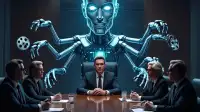
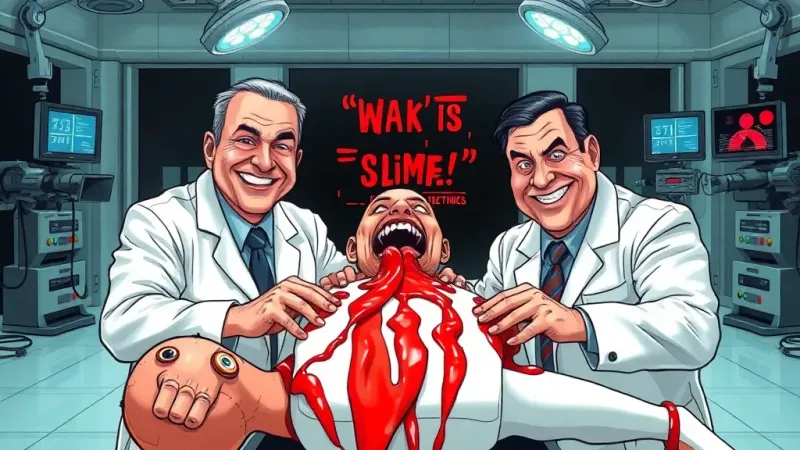
The filmmakers emphasized a robust commitment to “ethical fabrication,” employing cutting-edge animatronics, motion capture, and AI-driven deepfakes to render every simulated dismemberment, spontaneous combustion, and unfortunate animal encounter with painstaking, unsettling precision. This approach, according to director Julian Sharpe, allows for narrative control and a refined aesthetic that real-world footage simply cannot provide. “Anyone can upload a phone video of something horrific,” Sharpe stated. “Our goal is to create something that feels just as disturbing, but that you can be 100% certain wasn't actual human suffering, therefore allowing you to enjoy the spectacle guilt-free. It's about respecting the audience's desensitization while also respecting the sanctity of not exploiting actual tragedy.”
Cultural anthropologist Dr. Miles Corbin of the Pacific Coast Institute for Digital Ethics noted the remake’s strategy reflects a broader societal trend. “We’ve crossed a threshold,” Dr. Corbin observed. “Authenticity has become a burden. People don’t want real anymore; they want something that *feels* real enough to trigger an emotional response, but comes with an invisible disclaimer. This film isn't about shock; it’s about providing a controlled, safe space to process the *idea* of shock, without having to confront the actual, messy implications of real-world suffering.”
Critics are already praising the film's commitment to avoiding real pain, calling it a necessary step toward an entertainment landscape where even the most extreme content is thoughtfully curated and, above all else, thoroughly artificial.