
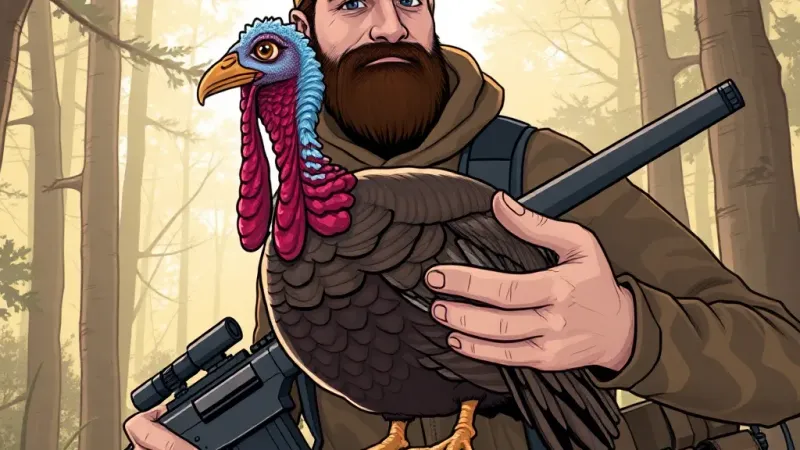
BOULDER, CO – A burgeoning movement among outdoor enthusiasts is redefining the pursuit of game, with a new "ethical hunting" trend emphasizing digital content creation and personal brand development over the traditional act of harvesting an animal. Known as "catch-and-release turkey hunting," participants track, engage with, and then intentionally allow wild turkeys to escape, carefully documenting the entire experience for online platforms.
Proponents of the movement, primarily affluent millennials and Gen Z "experience-seekers," argue it offers a more "holistic" and "sustainable" connection to nature. "It's about the journey, not the kill," explained Brooke Atherton, founder of "Eco-Pursuit & Wellness," a bespoke guiding service. "Our clients seek deep, meaningful interactions with the wild, which often translates into 10-minute 4K video clips and a compelling narrative for their Instagram Reels. A dead turkey, frankly, doesn't perform as well on the algorithm." Participants often employ specialized, non-lethal gear, including advanced photographic drones, high-definition wearable cameras, and "empathy-based" calling techniques designed to lure birds for prime photo opportunities without causing undue stress or flight.
Industry analysts project significant growth in the sector, citing a 300% increase in "wilderness content creation packages" over the last fiscal year. "The real value isn't in the protein; it's in the potential for viral content," stated Dr. Quentin Finch, Professor of Experiential Economics at the University of the Great Outdoors (UGO). "We're seeing an unprecedented demand for curated wildlife encounters that deliver both an authentic narrative and a high 'engagement-to-avian-interaction ratio.' A successful 'hunt' now concludes with a post-encounter debriefing session and immediate asset upload, not field dressing." Dr. Finch noted that premium "release" packages, which include drone flyovers of the "moment of non-capture" and professionally edited highlight reels, can command prices upwards of $5,000 per weekend.
Critics, primarily traditional hunters and actual conservationists, have questioned the nomenclature and efficacy of the trend, suggesting it prioritizes performative environmentalism over genuine ecological impact. "They're calling it hunting, but they're essentially just filming birds," commented Hank "The Butcher" Peterson, a third-generation venison processor in rural Montana. "The only thing they're 'harvesting' is their own ego and maybe a few sponsored brand deals for their tactical selfie sticks." Despite the skepticism, major outdoor retailers are already adapting, marketing "ethical concealment apparel" and "eco-friendly celebratory snacks" for the discerning catch-and-release demographic.
Next season, experts anticipate the introduction of "catch-and-release fishing" for content creators who find landing a fish too stressful for the subject.