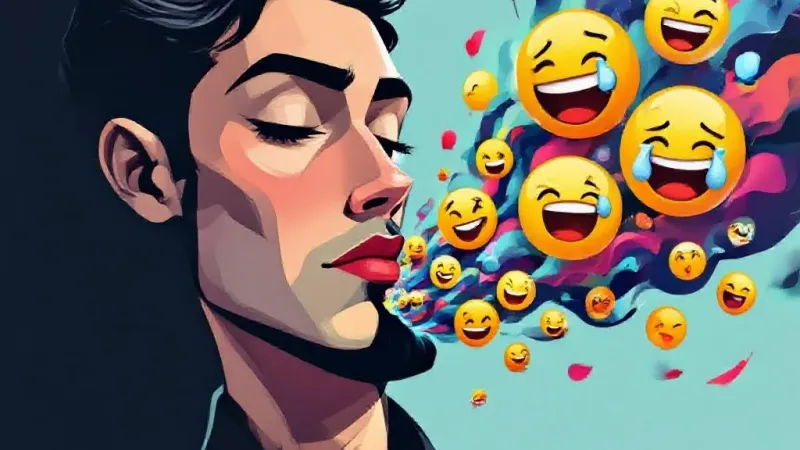
A groundbreaking study from the Institute for Aspirational Facial Compliance has confirmed what many highly-online content creators have long suspected: cosmetic neurotoxins like Botox effectively block the neural pathways responsible for involuntary laughter at aggressively curated internet content. The research, published Monday, suggests that individuals with medically relaxed facial muscles exhibit a profound resistance to Buzzfeed listicles, viral memes, and other media designed to elicit an immediate, non-optional guffaw.
"Our initial hypothesis was that the facial paralysis simply prevented the physical act of smiling or laughing, not the internal emotional response," explained Dr. Quentin Vibe, lead neuro-aesthetics researcher. "But the data shows a deeper phenomenon. Subjects with a 'frozen forehead' simply did not perceive the content as funny. It's as if the botulinum toxin creates a cognitive shield, rendering even the most 'you literally cannot not laugh at this unless you are dead inside' material utterly inert." The study employed a double-blind methodology, where participants were shown a series of 'impossibly hilarious' animal photos and 'relatable struggles' gifs, with their laughter-response measured via proprietary AI that monitors micro-expressions of genuine joy versus performative chuckles.
The findings have sent ripples through the digital content industry, where "mandatory humor" has become a cornerstone of engagement metrics. "For years, we've relied on the implied threat that if you don't laugh, you're somehow less human, or worse, 'unfun'," stated Brandi 'ContentQueen' Sparkle, a prominent thought leader in viral optimization. "Now, we have to contend with a demographic immune to our emotional manipulation. It’s like discovering a new kind of internet user, one who doesn't owe us their amusement." Sparkle added that her agency is already exploring AI solutions to bypass this "Botox-boredom barrier," including subliminal audio cues and micro-animations designed to penetrate even the most stoic, toxin-enhanced visages.
One such individual, 48-year-old marketing executive Karen from Scottsdale, who wished to remain anonymous to protect her digital brand, admitted she started getting regular injections "not just for the wrinkles, but for the peace of mind." She elaborated, "Before, every time I scrolled, I felt this societal pressure to react. 'LOL,' 'OMG,' 'I'm literally screaming.' Now, I can see a cat wearing tiny sunglasses and genuinely feel nothing. It’s liberating. My face might not move, but neither does my soul get dragged into someone else's desperate plea for engagement." The study’s authors suggest that this "affective detachment" could represent a new frontier in digital wellness, albeit one achieved through neurotoxic agents.
The research concludes that for a small, yet growing, segment of the population, the ultimate luxury isn't a wrinkle-free brow, but the unburdened freedom to simply not find a picture of a cat wearing a tiny hat funny.