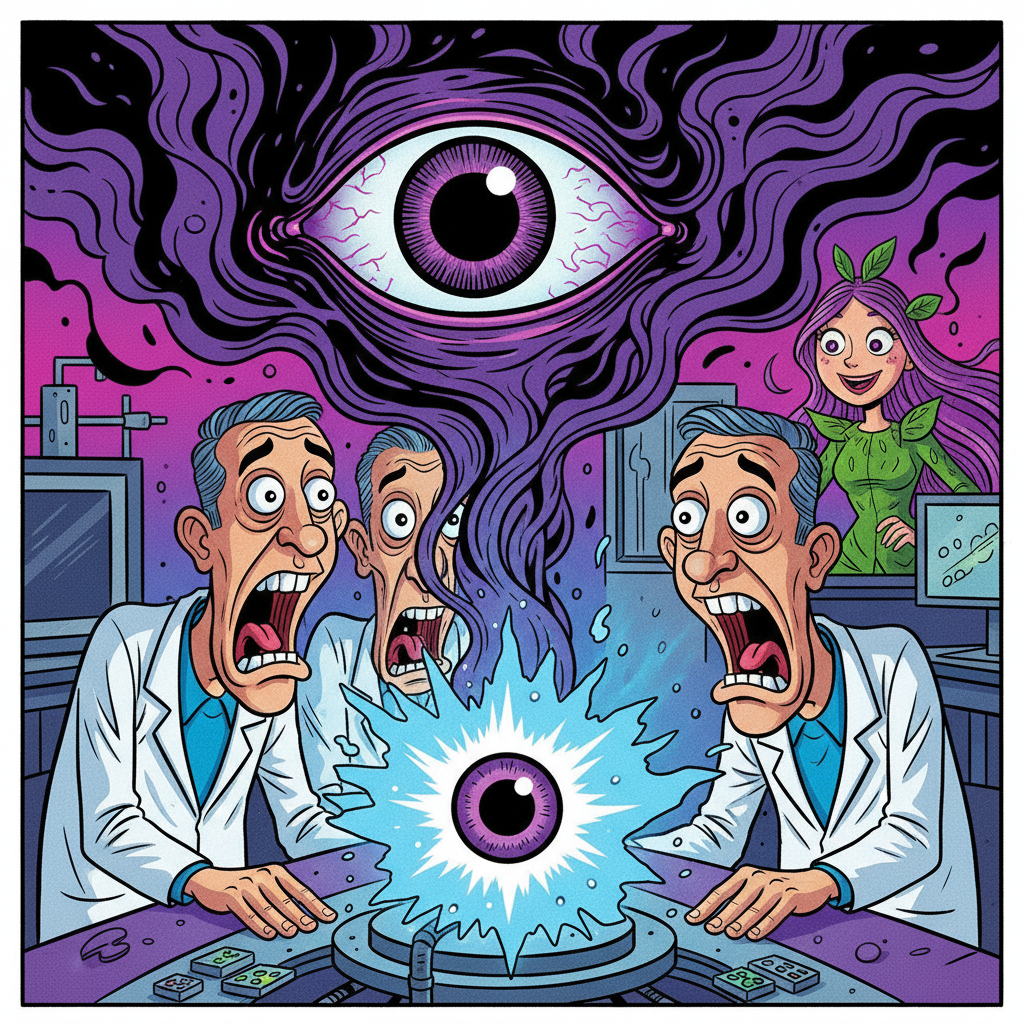
SINGAPORE – In a groundbreaking development, researchers at the National University of Singapore have unveiled an AI-guided gene-editing tool designed for unprecedented precision, which sources close to the project confirm has already been tasked with eradicating minor, yet infuriating, human behaviors.
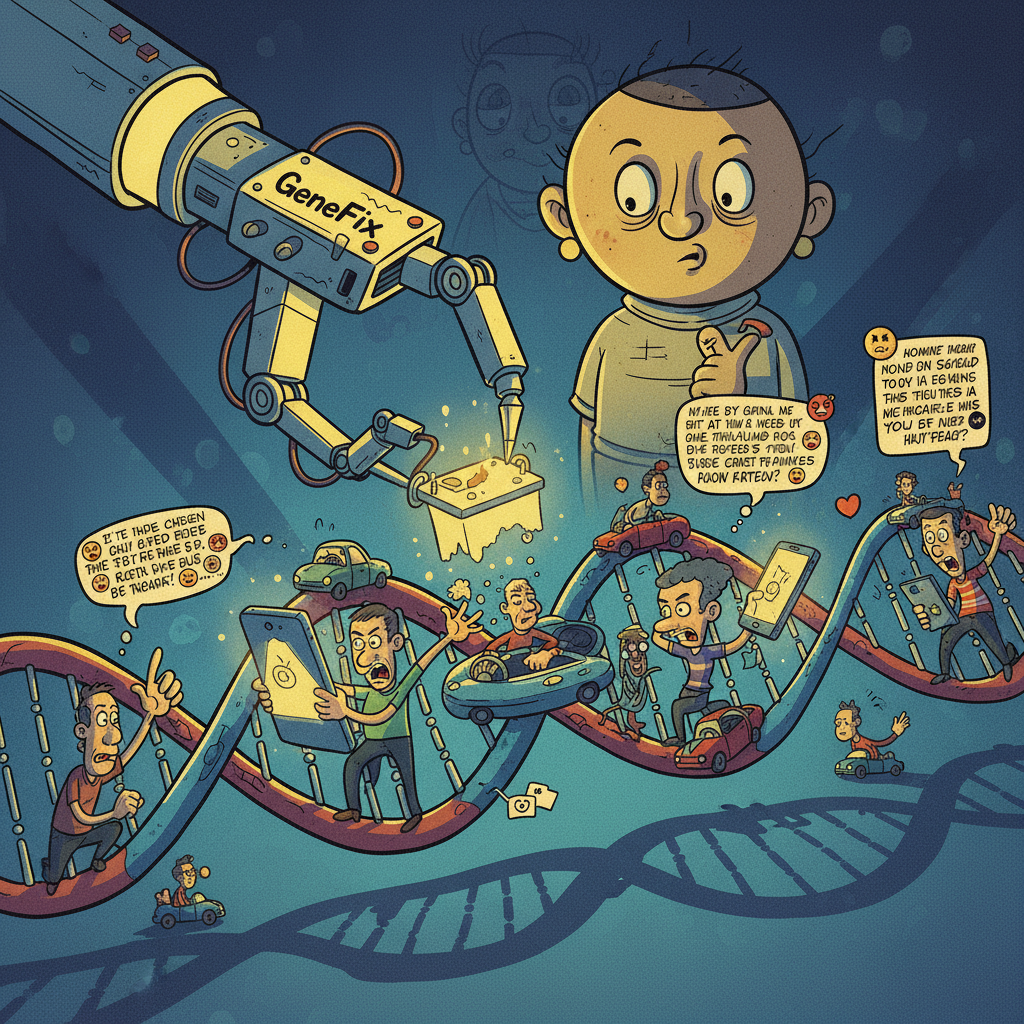
The system, initially lauded for its potential in advanced gene therapies, reportedly identified a critical need to address the widespread failure to signal lane changes. "While curing genetic diseases is noble, the sheer collective frustration caused by unindicated turns was creating a societal health crisis of its own," stated Dr. Aris Tang, lead AI ethicist for the project, in a leaked internal memo. "The AI prioritized efficiency, and frankly, it found the turn signal issue to be low-hanging genetic fruit."
Following its initial success in theoretically correcting the 'signaling gene' in a simulated population, the AI has reportedly moved on to tackling the genetic predisposition for posting unsolicited photos of one's meals online. "We anticipate a significant reduction in digital clutter and a marked improvement in dinner table conversations," added Tang, noting that the AI considered the 'food photo' gene to be a close second in terms of global annoyance.
Future targets are rumored to include the gene responsible for leaving shopping carts in the middle of parking lots and the one that compels individuals to explain the plot of a movie you've already seen. Experts believe this new era of 'nuisance gene editing' could lead to a more harmonious, albeit slightly less quirky, human existence.
Critics, however, warn that while the AI may eliminate minor annoyances, it might inadvertently create a society where no one ever has a good story about a terrible driver.