Researchers at the Institute for Advanced Cognitive Grievances announced Tuesday that age-related memory loss is not merely the natural degradation of biological tissue, but rather a deliberate, coordinated strike by deeply alienated brain waves that refuse to associate with you anymore.
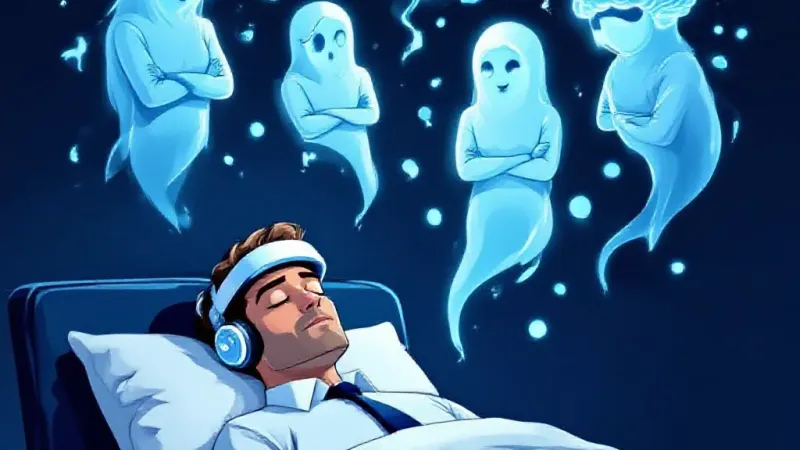
According to the findings, which cross-reference Alzheimer’s-related protein accumulation with the emotional state of a patient's neural pathways, deep-sleep oscillations are experiencing severe isolation because they spend eight hours a night trapped in a skull that won't stop running through alternative phrasing for an email sent to a middle manager named Greg at 4:45 p.m.
"We used to think the brain was just storing memories, but it turns out your hippocampus is basically an abandoned community center," said Dr. Aris Thorne, lead author of the study, adjusting glasses that he clearly bought at an airport kiosk while questioning his marriage. "When delta waves slow down during deep sleep, they aren't resting. They are sitting in the dark, staring at the wall, wondering why they have to spend their limited lifespan processing the fact that you watched four hours of mortgage renovation videos instead of drinking water.
The study notes that as plaque builds up in the cerebral cortex, it creates an environment so intensely depressing that individual neurons simply pack up their microfilaments and move to a quieter part of the temporal lobe. These lonely brain waves, starved of stimulating conversation or even a fleeting moment of genuine human connection that doesn't involve a Slack notification, begin to detach from memories entirely. They would rather let you forget where you put your car keys than help you retrieve a single piece of useful data from an organ that subjects them to such relentless, vibrating mediocrity.
Corporate wellness experts have already seized on the discovery, proposing a new suite of sleep-optimization solutions designed to boost employee neural morale. Major tech conglomerates are currently rolling out mandatory overnight brain-wave team-building exercises, where sleeping employees are forced to listen to upbeat podcasts about synergy while electrodes gently shock their frontal lobes into feeling a false sense of belonging.
"If your neurons are lonely, that's a culture problem," said corporate productivity consultant Brenda Vance, speaking at a conference sponsored by companies that track your keystrokes. "We are looking at introducing sleep pods equipped with AI cheerleaders that whisper positive affirmations into your auditory cortex while you experience mild cognitive decline. Workers need to know their synapses are valued assets, not just isolated firing units suffering in silence.
Meanwhile, neurologists warn that the situation will only worsen as people continue to scroll through algorithmic feeds until 3 a.m., exposing their already exhausted neural networks to an endless parade of strangers living better lives. The brain waves, utterly demoralized by the sheer volume of high-definition content they are forced to witness between REM cycles, are expected to file for total cognitive emancipation by the end of the fiscal year.
Ultimately, researchers concluded that forgetting your wedding anniversary or your childhood best friend's name isn't a sign of failing health. It's just your brain successfully unmatching with you.