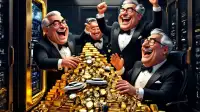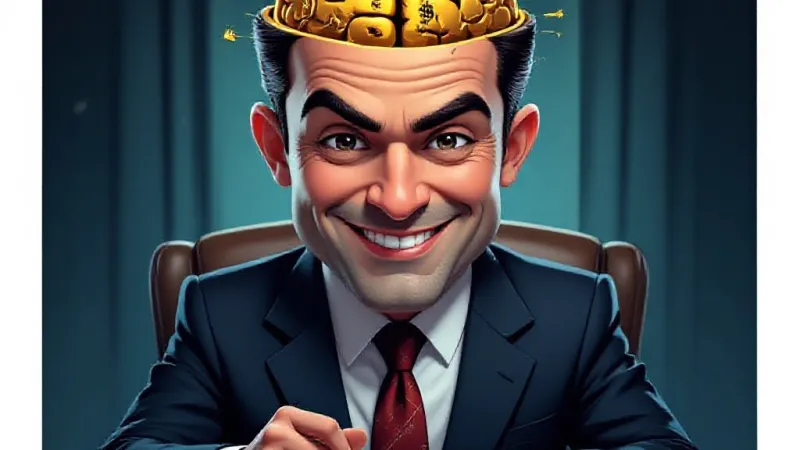
A new study from the Institute for Optimized Leadership Dynamics has uncovered a striking neurological commonality among the globe’s most successful executives, venture capitalists, and political power players: a significantly enlarged striatum. This brain region, critical for reward processing, motivation, and rapid decision-making, was found to be approximately 10% larger in individuals exhibiting the highest levels of corporate and political achievement compared to the general population. Researchers, analyzing MRI scans and psychological assessments of 120 participants across various industries, concluded that this 'executive striatum,' as it’s now being termed, is directly correlated with the thrill-seeking, impulsive behavior, and relentless drive for stimulation deemed essential for navigating today's cutthroat markets and legislative arenas. The findings suggest that a biological predisposition for prioritizing boundless reward and risk-taking is not merely a personality quirk, but a quantifiable asset.
The research effectively reclassifies traits traditionally associated with psychopathy — such as a reduced capacity for empathy, a high tolerance for risk, and a singular focus on personal gain — from clinical concerns into highly sought-after professional attributes. 'Let's be honest, nobody gets to the top by worrying about who they might upset,' stated Dr. Veronica Thorne, lead researcher for the study. 'What we’re seeing isn't a defect; it's an evolutionary adaptation for hyper-competitive environments. These individuals are simply better wired to make the 'hard choices' that deliver shareholder value or secure political victories, often because the 'hard choice' for them is the only choice that feels rewarding.'
Industry analysts are already speculating on the profound implications for talent acquisition and leadership development. Several cutting-edge firms are reportedly exploring integrating neurological screenings into their executive hiring processes, moving beyond outdated psychological assessments that might erroneously flag high-potential candidates for 'antisocial tendencies.' 'Why rely on antiquated personality inventories when you can measure raw competitive drive at a neurological level?' asked a spokesperson for a leading executive search firm, who requested anonymity to protect sensitive client discussions. 'If a candidate’s striatum isn’t optimized for maximum output and minimal internal friction, they’re simply not prepared for the relentless rigors of modern governance or the innovation economy. We're talking about a tangible competitive edge that can make or break a Q4 earnings report or a key policy initiative.'
The study provides the scientific validation many have long suspected: the very architecture of power is designed not just to tolerate certain personality traits, but to expertly cultivate and reward them at the cellular level.