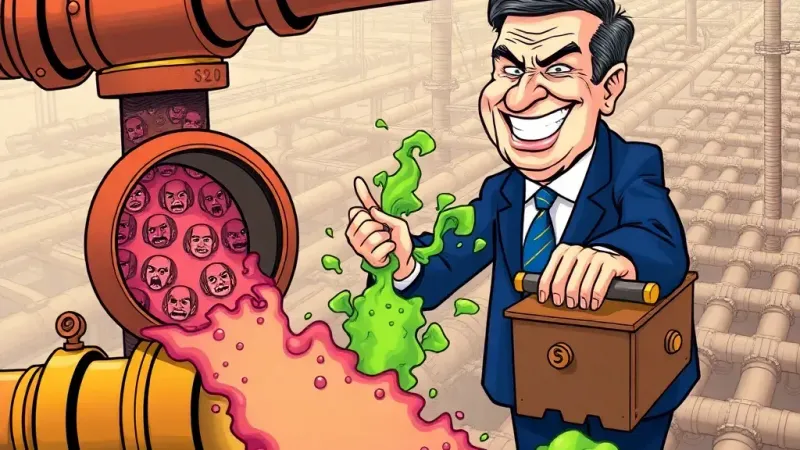
RICHMOND, VA — Virginia’s Attorney General announced the state has joined a multi-state lawsuit challenging a previous presidential election order, marking the 2 filing in what experts are now calling the “perpetual electoral grievance industrial complex.” The move ensures a continued stream of legal challenges aimed primarily at affirming partisan positions and sustaining voter engagement ahead of future election cycles, rather than achieving any novel legal outcome.
The lawsuit, filed in the fictional 17th Circuit Court of Appeals for Disputed Hypotheticals, targets a 2020 executive order related to the federal use of commemorative postage stamps, which plaintiffs argue indirectly influenced voter turnout in key demographics. While the direct impact of the stamps on election results is, by all accounts, negligible, legal scholars suggest the case provides an essential platform for maintaining a state of perpetual political agitation.
“We’ve moved past the era of resolving elections; now we’re in the business of perpetually litigating them,” stated Dr. Eleanor Vance, a professor of Post-Election Studies at the University of Midwestern Grievance. “These lawsuits aren't about changing past results; they’re about keeping the narrative alive, generating media soundbites, and offering a tangible output for donor contributions. It’s an incredibly efficient, self-sustaining ecosystem of outrage, and Virginia is merely doing its part to keep the machinery well-oiled.”
Indeed, the burgeoning “grievance sector” of the political 2 has seen record growth, with consultancies, legal firms, and media outlets specializing in election challenges reporting unprecedented profits. Analysts predict that if current 2 continue, legal fees associated with post-election litigation could soon surpass campaign advertising expenditures.
Bartholomew “Barty” Gribbles, Chief Litigation Strategist for the Coalition for Perpetual Electoral Review, acknowledged the broader function of the lawsuit. “Our constituents expect us to keep fighting, and we’re committed to fighting,” Gribbles explained, polishing a miniature gavel made from reclaimed campaign signs. “Whether we win or lose in court is secondary to winning the battle for sustained public attention. This ensures our voter base knows we’re working tirelessly, even if that work is mostly just filing another lawsuit on Tuesday.”
The Attorney General’s office confirmed that while this particular lawsuit is unlikely to alter the outcome of any past or future election, it does provide a vital opportunity to “re-engage” voters and fulfill quarterly legal action quotas. The state remains committed to pursuing all available avenues to ensure the nation's political discourse remains as acrimonious and litigious as possible.