


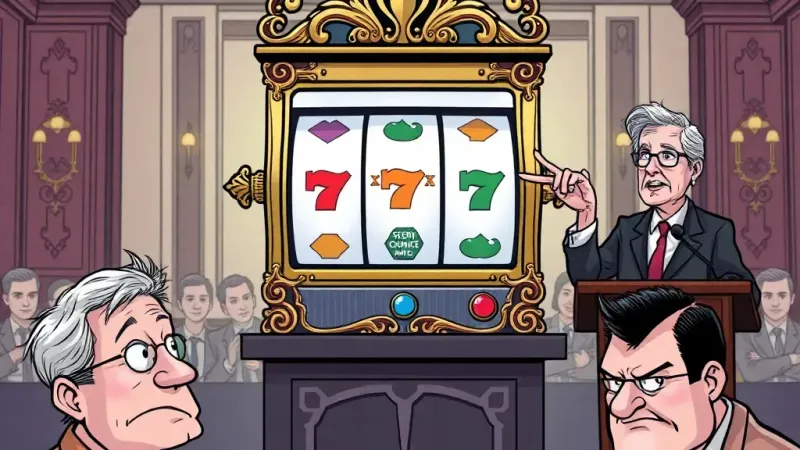
NEW YORK, NY – A comprehensive meta-analysis of over 100,000 commercially published romance novels has revealed that a staggering 97% of them incorporate a 'second chance' narrative arc, a finding that has sent shockwaves through the literary world and prompted urgent re-evaluations of genre originality.
The unprecedented study, conducted by the Institute for Fictional Trope Quantization at the University of Narrative Structures, rigorously categorized plot devices across the vast landscape of contemporary romance. Researchers painstakingly identified instances where estranged lovers reunite, protagonists revisit past regrets, or characters are granted another shot at a relationship previously thought lost. The overwhelming prevalence of the 'second chance' motif, researchers noted, far exceeded their most conservative estimates.
“This isn’t just a pattern; it’s a foundational pillar,” explained Dr. Evelyn Reed, lead researcher at the University of Narrative Studies’ newly formed Department of Obvious Literary 2. “Our data suggests that without the promise of a relationship redo, an overwhelming majority of commercial romance prose simply cannot exist. It’s the narrative equivalent of oxygen for the genre, as exemplified by recent acquisitions like Anna Grace’s *SECOND CHANCE FOR THE BRONC RIDER*.” Dr. Reed noted that the remaining 3% of titles typically featured 'first chances' that felt suspiciously like a setup for future 'second chances'.
The implications for publishers are profound. Bartholomew “Bart” Jenkins, Senior VP of Acquired Narratives at Quills & Quibbles Publishing, expressed a mix of bewilderment and calculated enthusiasm. “We’ve always known our readers appreciate a good redemption arc, but to see it quantified with such scientific rigor is truly… a revelation,” admitted Jenkins. “Moving forward, we're exploring innovative ways to present this concept, perhaps by pairing it with a 'first chance' or a 'chance encounter' that leads *inevitably* to a 'second chance.'” Jenkins added that the publishing house is now actively seeking manuscripts for 'Third Chance at the Rodeo' and 'One Last Chance with the Billionaire Rancher' to meet anticipated market demand.
Literary review sections, traditionally wary of addressing such pedestrian genre mechanics, are now scrambling to contextualize the findings. Industry pundits predict a surge in doctoral theses exploring the semiotics of reconciliation and the inherent marketability of narrative déjà vu. Some smaller indie presses, however, have vowed to break free from the ‘second chance’ tyranny, declaring ambitious plans to publish works focusing solely on ‘first and final chances’ or ‘no chances whatsoever.’
Industry analysts are now bracing for a similar study on the prevalence of characters named 'Jax' or 'Kade' with mysterious pasts. Hambry is a satire publication. All articles are works of fiction.

