
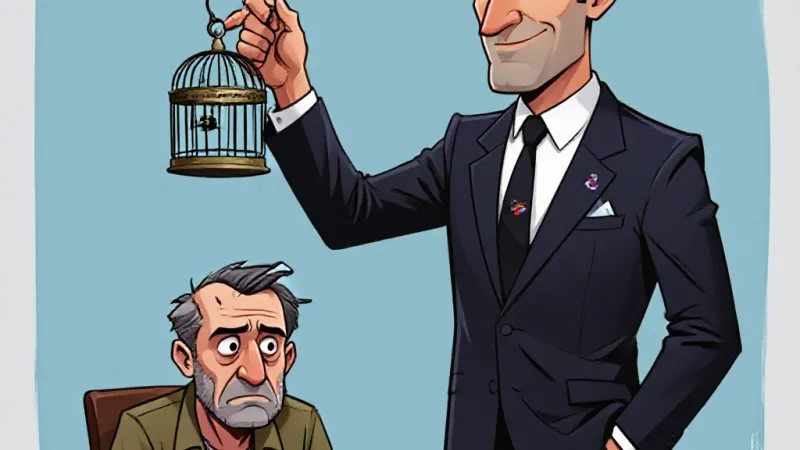
In a move lauded by corporate strategists and lampooned by PC owners, Sony announced this week that major single-player PlayStation exclusives will no longer see PC releases. The decision, communicated by PlayStation Studios head Hermen Hulst, effectively reinstates the console as the sole gateway for some of the industry's most anticipated narrative experiences, ensuring that anyone craving a quiet evening with a highly polished, emotionally resonant story must first purchase a $500 machine designed to play it.
"Our data unequivocally shows that the most profound emotional connections with our IP are forged within the singular, unfragmented PlayStation ecosystem," stated Hulst in an internal memo obtained by Hambry. "By channeling these bespoke narratives exclusively through our dedicated hardware, we are not merely selling games; we are selling the *entire journey*. A journey that, incidentally, begins with a credit card transaction for a console." He added that this strategic pivot is about "preserving the artistic integrity" of titles that apparently degrade when played on a different operating system.
Industry analysts quickly confirmed that "artistic integrity" is a new euphemism for "optimizing console unit sales." Dr. Alistair Finch, a Senior Revenue Maximization Strategist at the Institute for Aspirational Proximity Studies, explained, "The modern gamer has too many choices. By strategically limiting access to compelling single-player content, Sony leverages a proven scarcity model to drive hardware adoption. Why sell a game for $70 once when you can compel a $500 hardware purchase *and then* sell the game for $70?"
Curiously, this console-first mandate does not extend to online multiplayer titles, which will continue to enjoy multi-platform releases. Sources close to the company indicated this distinction is crucial: "When players engage in online ecosystems, they generate recurring revenue through microtransactions, subscriptions, and battle passes, regardless of platform," said an anonymous source from PlayStation's monetization department. "Single-player games, however, represent a one-time purchase. Their value lies in their ability to anchor a hardware sale. It’s simple economics, really."
The company is reportedly exploring further "value-added incentives" for PlayStation console owners, including exclusive dynamic themes featuring characters from games they can now only play on a PlayStation.