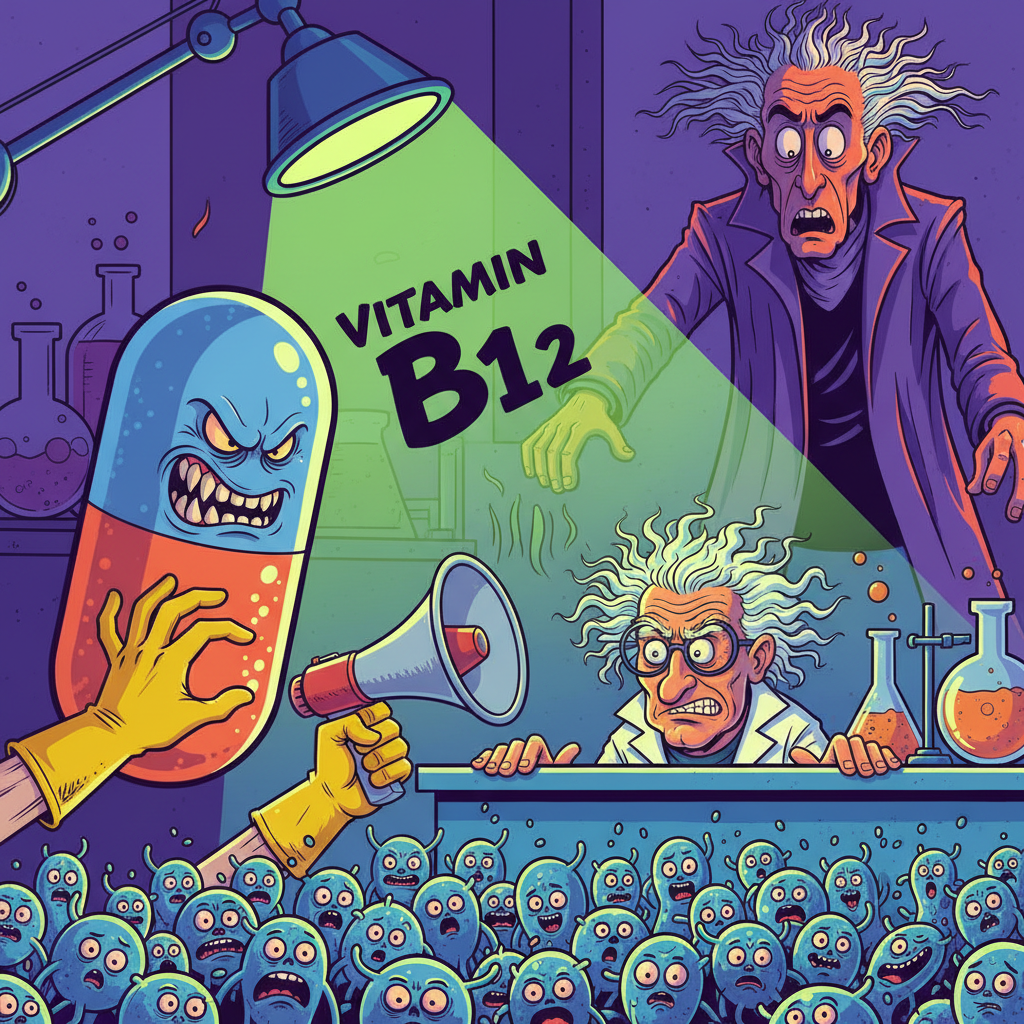
HONG KONG – In a discovery that has rocked the microscopic world, researchers at The Hong Kong University of Science and Technology (HKUST) have unveiled a new chemo-optogenetic tool, CarGAP, which allows them to precisely control the communication channels between cells. The team, using vitamin B₁₂ and green light, found that these so-called 'gap junctions' are not always open for business, leading to speculation that cells might be more complexly social — and anti-social — than previously imagined.
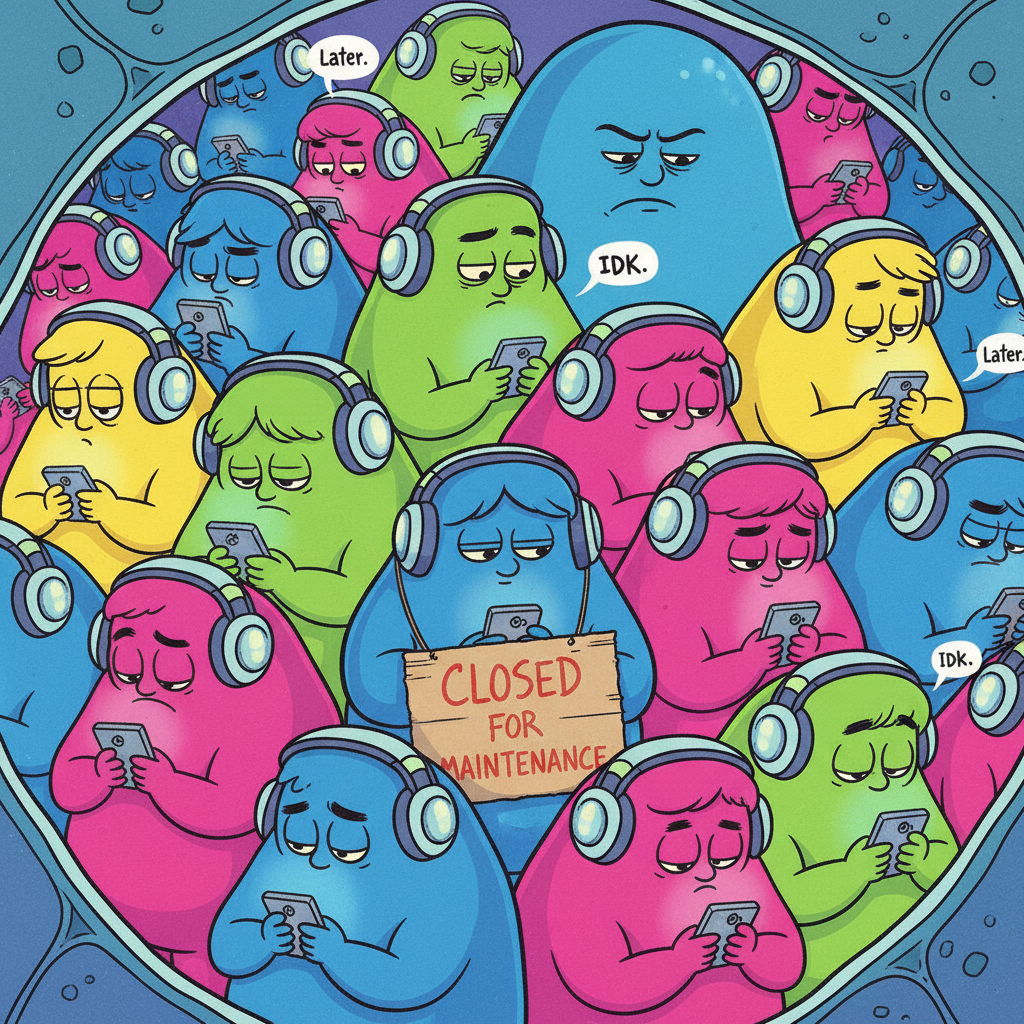
“For years, we’ve assumed cells were diligent, always sharing notes and electrical signals like good little corporate drones,” stated Dr. Evelyn Reed, a bioethicist not affiliated with the study but who immediately weighed in. “But this new tech shows we can just flick a switch and they stop talking. It raises some serious questions: Were they ever really talking? Or were they just pretending to listen while scrolling through their internal organelles?”
The CarGAP tool, demonstrated in both mammalian cells and living fruit flies, allows scientists to open and close these intercellular bridges on demand. This unprecedented spatiotemporal control has led to concerns among some in the scientific community that cells might now be able to selectively ignore specific signals, potentially leading to widespread cellular gossip or, worse, coordinated cellular eye-rolls.
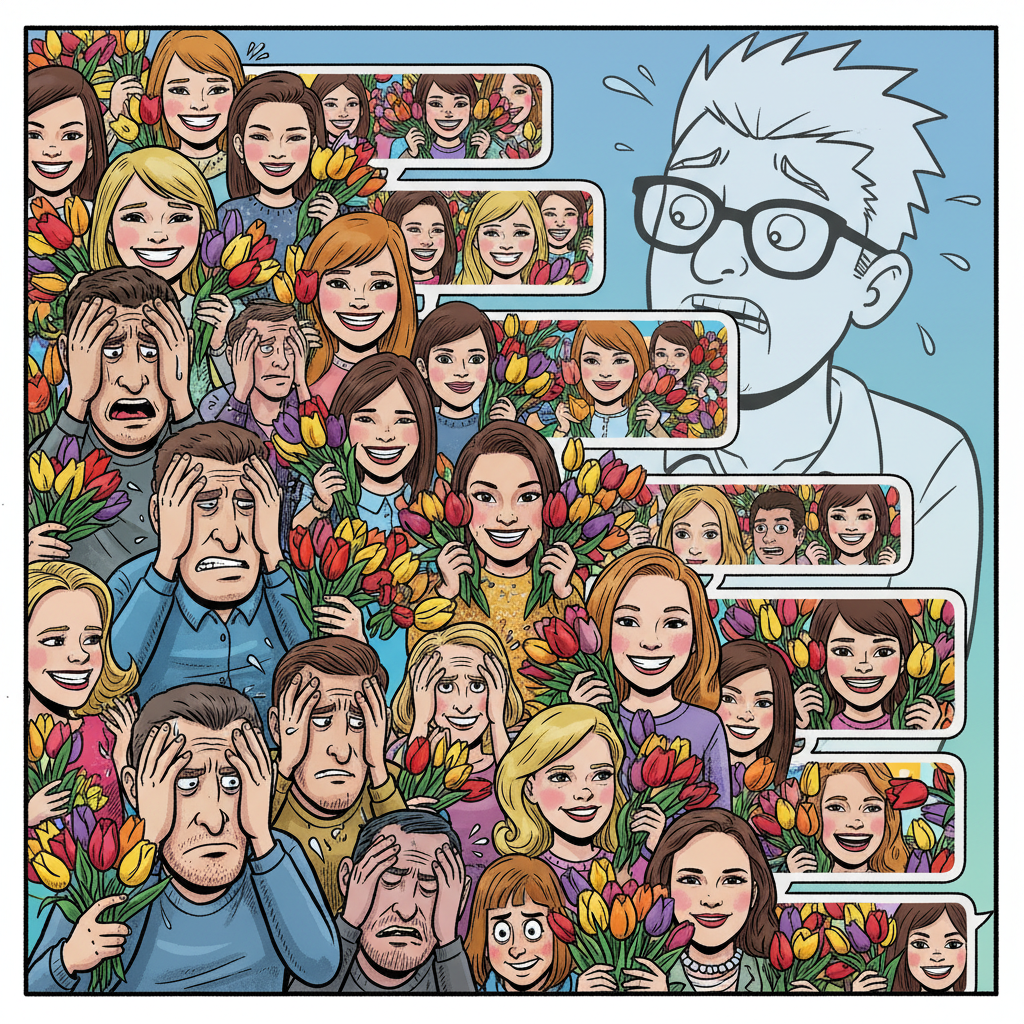
“We’ve essentially given cells the ability to ghost each other,” explained lead researcher Dr. Jian-Ping Li, who reportedly spent a significant portion of the grant money on tiny disco lights. “We can now confirm that some cells were definitely just leaving others on read.”
The implications are vast, with potential applications ranging from targeted drug delivery to finally understanding why some cells just won’t return your calls. Scientists are now exploring whether a tiny, cellular-level 'do not disturb' function could be integrated, or if cells will simply continue to avoid awkward conversations about their metabolic rates.
Future research aims to determine if cells also feign poor reception when they don't want to participate in group activities.