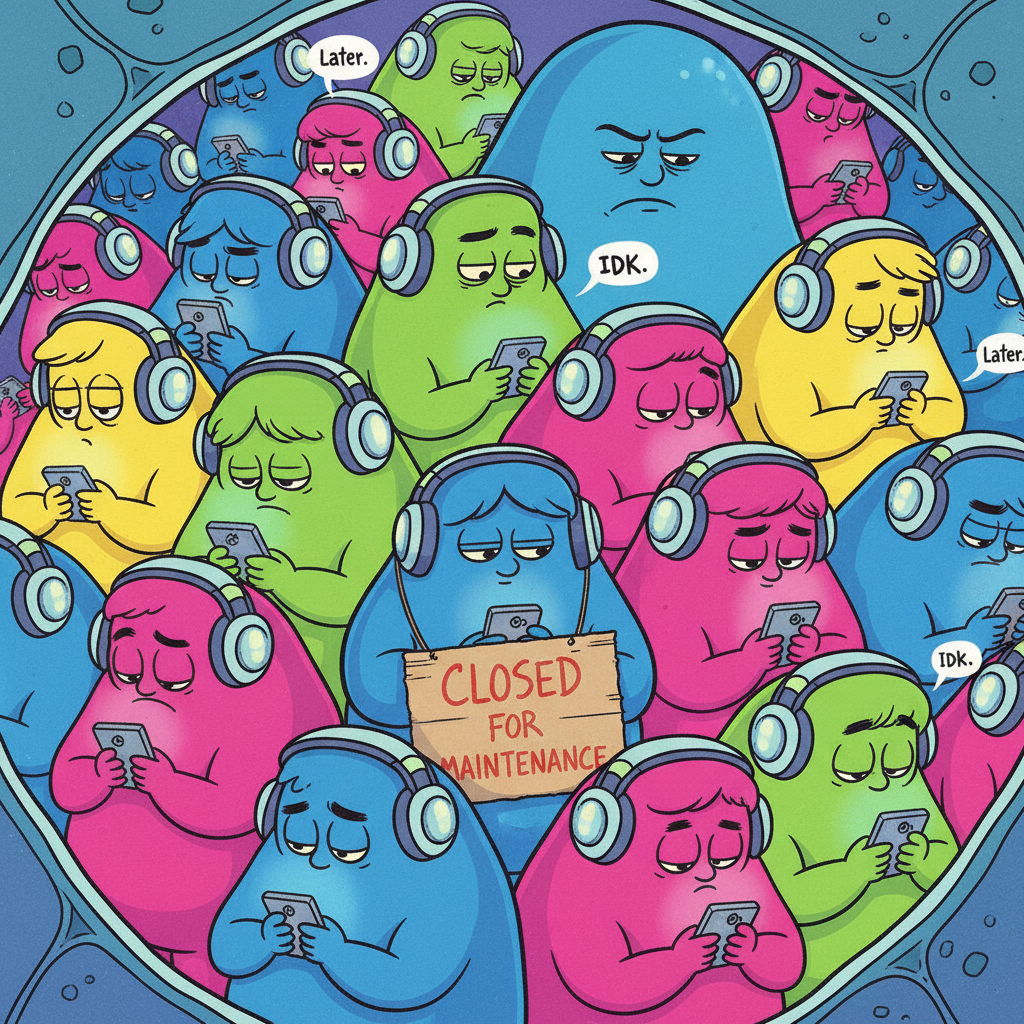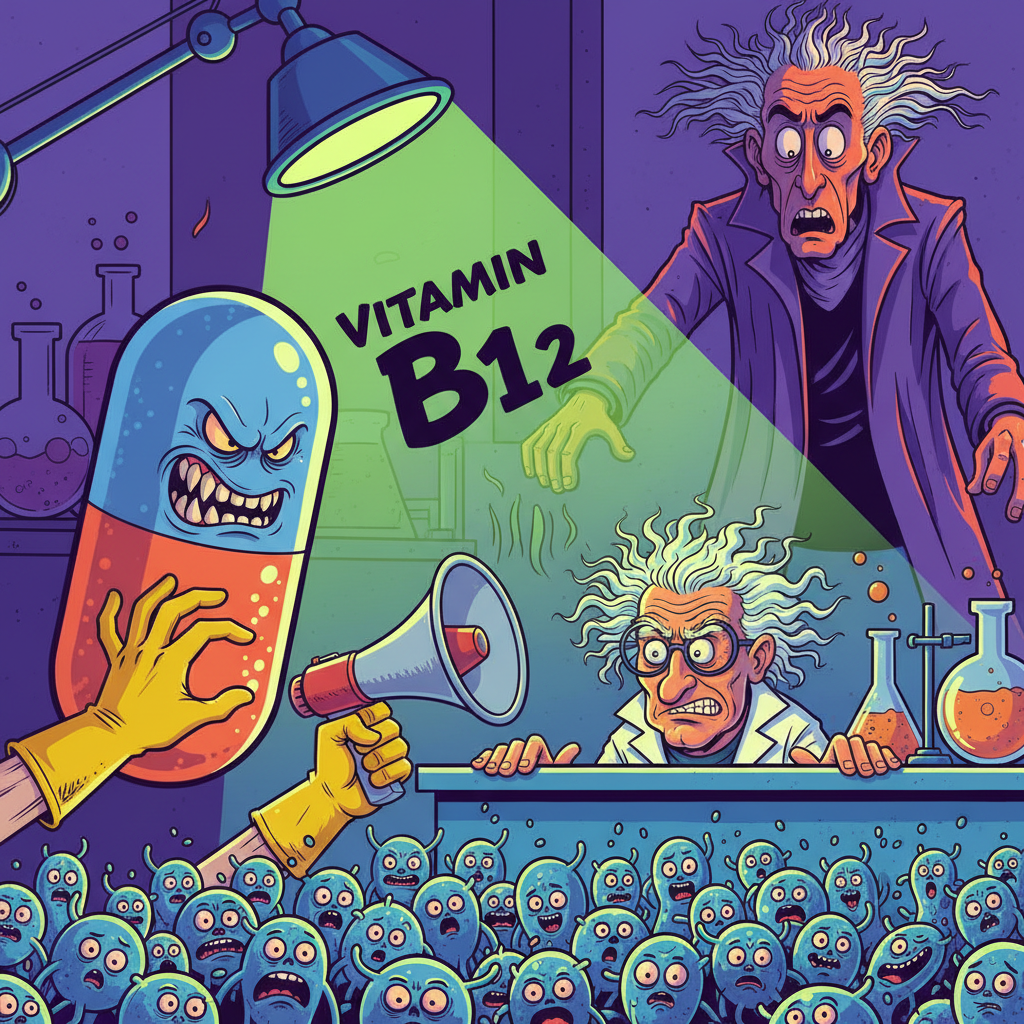
HONG KONG – Researchers at the Hong Kong University of Science and Technology have unveiled a groundbreaking new tool, dubbed CarGAP, which allows for the precise manipulation of cellular communication using nothing more than vitamin B12 and a green light. The technology promises to revolutionize biology by enabling scientists to effectively gaslight individual cells into opening or closing their 'gap junctions,' the microscopic channels through which they exchange vital information.
“For too long, cells have been communicating freely, without oversight,” stated lead researcher Dr. Anya Sharma, in a press conference where she demonstrated the tool by making a fruit fly’s cells briefly ignore each other. “Now, with a simple flick of a switch and a dash of B12, we can tell them exactly when to talk, and more importantly, when to shut up. It’s like being able to mute your least favorite organelle.”
Critics are already raising concerns about the potential for abuse. “This isn’t just about turning cellular conversations on and off,” warned bioethicist Dr. Miles Corbin. “It’s about making cells question their own reality. Imagine a liver cell, convinced by a green light and a vitamin, that it never actually needed to communicate with its neighbors about processing toxins. The implications for existential dread at a microscopic level are profound.”
The research team, however, remains optimistic, suggesting future applications could include convincing cancer cells to stop being so chatty, or perhaps making stubborn fat cells believe they’ve already shared all their lipids. They also hinted at a potential 'cellular therapy' where patients could simply be exposed to specific light frequencies and nutritional supplements to resolve deep-seated cellular miscommunications.
Early trials on fruit flies reportedly showed some subjects developing an inexplicable craving for kale and a sudden, irrational fear of red light, behaviors researchers are calling 'minor side effects of cellular re-education.'