Washington D.C. — A wave of politicians across the nation is redoubling efforts to inform the American public that their role in democracy is far more active than merely watching. Senator Cory Booker recently spearheaded the message at an Alabama voting rights rally, declaring, "Democracy is not a spectator sport." The sentiment, widely echoed by figures keen to appear relatable and engaged, serves as a crucial reminder to citizens that while politicians occupy the stage, the true work happens off-camera. This crucial "work" involves an array of unpaid contributions designed to elevate and sustain the political class.
For too long, citizens have mistakenly believed their engagement ended at the ballot box, or worse, at the television screen during a C-SPAN debate. Dr. Evelyn Thorne of the Institute for Aspirational Proximity Studies clarified this widespread misunderstanding. "What politicians truly mean is that the public must be active participants in *their* political narrative, not passive consumers of it," Thorne explained from her office, surrounded by stacks of unused voter registration forms. "This includes sharing posts, defending talking points online, showing up to be counted as 'supporters' at rallies, and critically, ensuring their personal outrage is channeled effectively towards the politician’s preferred targets."
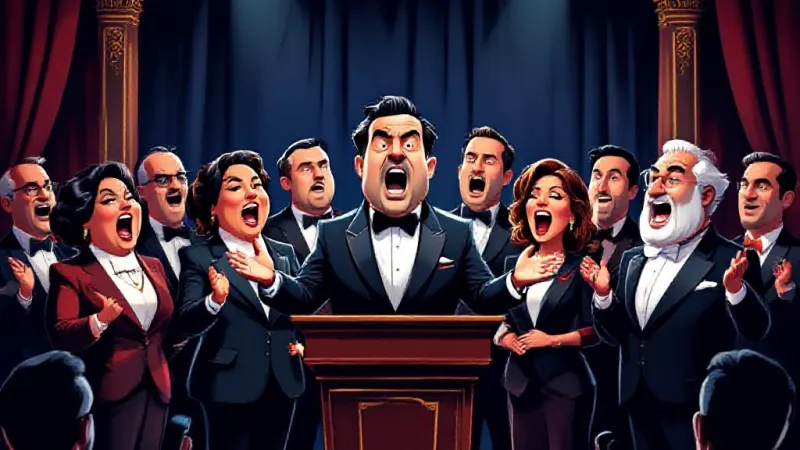
The shift encourages citizens to view themselves as essential, unpaid stagehands and props in a grand political production. "It takes a tremendous amount of effort to put on these critical democratic performances," explained an unnamed congressional aide, meticulously arranging a pile of campaign-branded merchandise. "Our elected officials dedicate their lives to crafting these dramatic speeches, enduring endless media appearances, and navigating the complex choreography of legislative theater. The least the public can do is ensure the house is packed, the applause is enthusiastic, the online engagement metrics are soaring, and the fundraising targets are met. That’s how real democracy works."
Indeed, the logistical demands on the political class are immense, costing millions annually to execute with professional polish. From booking convention centers to securing prime-time slots for impassioned pleas, the creation of these "non-spectator" events requires significant resources and public cooperation. Citizens, therefore, are being urged to transcend their traditional roles. "We need people knocking on doors, phone banking, and most importantly, providing direct financial support," urged a campaign manager for a prominent presidential hopeful, adjusting his earpiece before ushering a VIP donor into a private tent. "Think of it not as funding a show, but as investing in your own role as a dedicated, non-spectating participant in a very expensive, very exclusive performance."
Ultimately, the message from the nation's political elite is clear: while they are busy being the main event, the public's job is to ensure the spectacle goes off without a hitch. The goal is a democracy where the audience is so engaged, they're practically on stage—just slightly to the left, holding a sign for the camera, and definitely not earning a salary or making policy decisions.