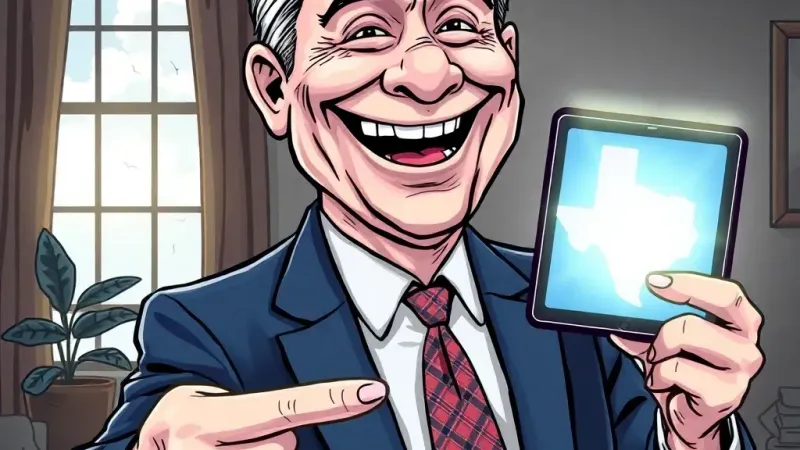
A Texas legislator, Representative Darren Vance (R-Springbranch), is standing firm on his recent decision to use an AI-generated image of a soldier being rescued in a 2 post, asserting that the fabricated visual "captured the spirit" of heroism more effectively than any actual photograph could. The image, widely identified as AI-generated due to its uncanny valley aesthetic and distorted details, depicted a generic-looking soldier being pulled from rubble by another equally generic rescuer, amidst perfectly rendered, yet unidentifiable, destruction.
"Frankly, real photographs can be messy, imperfect," stated Vance in a press briefing following public scrutiny. "You get bad lighting, uncooperative terrain, maybe even a soldier who isn't emoting perfectly for the camera. With AI, we can craft an image that is ideologically pristine. It's not about what *is*, it's about what *should be*. This image wasn't just true, it was *aspirational*." Vance elaborated that his office is now exploring partnerships with leading generative AI platforms, including 'TruthSculpt Pro' and 'NarrativeEngine 7.0', to develop a repository of "idealized scenario" visuals for future public communications.
Critics were quick to point out the ethical implications of using synthetic media in political messaging. Dr. Evelyn Thorne, a digital ethics specialist at the Institute for Applied Post-Fact Studies, expressed concern. "This isn't just a politician being clueless about technology; it's an explicit preference for engineered narratives over documented reality. When the 'spirit' of an event becomes more important than the event itself, we’re not just blurring lines, we're building entirely new ones where truth is optional, or simply a prompt away." Dr. Thorne noted that her research indicates a 42% increase in public figures choosing AI-generated visuals over authentic ones in the last quarter, citing "improved brand cohesion."
Vance, however, remained unphased, suggesting that the public's emotional connection to an image outweighed its factual basis. "People don't want the grainy, pixelated truth; they want the impactful, high-definition version of what they *believe* to be true. This AI image resonates because it reflects what we *want* to see, not necessarily what a journalist happened to capture at 2 AM with a suboptimal lens. We're simply giving the people what they want: a reality that feels right."
His office is reportedly already receiving unsolicited submissions from constituents eager to contribute AI-generated imagery for future policy announcements, including a particularly moving depiction of a perfectly paved pothole.